Hot Melt Adhesives – High-Performance Bonding Solutions for Multiple Industries

Why Choose Hot Melt Adhesives from Mahisa Packaging?
How Do Hot Melt Adhesives Work?
Types of Hot Melt Adhesives We Offer
1. Ethylene Vinyl Acetate (EVA) Hot Melt Adhesives
2. Polyolefin Hot Melt Adhesives
3. Polyamide Hot Melt Adhesives
4. Pressure-Sensitive Hot Melt Adhesives
5. Polyurethane Reactive (PUR) Hot Melt Adhesives
Benefits of Choosing Hot Melt Adhesives
1. Fast Setting Time for Increased Production Efficiency
2. Superior Bonding Strength
3. Cost-Effective and Eco-Friendly
4. Versatile Application on Various Materials
5. Moisture and Chemical Resistance
Industries We Supply with Hot Melt Adhesives
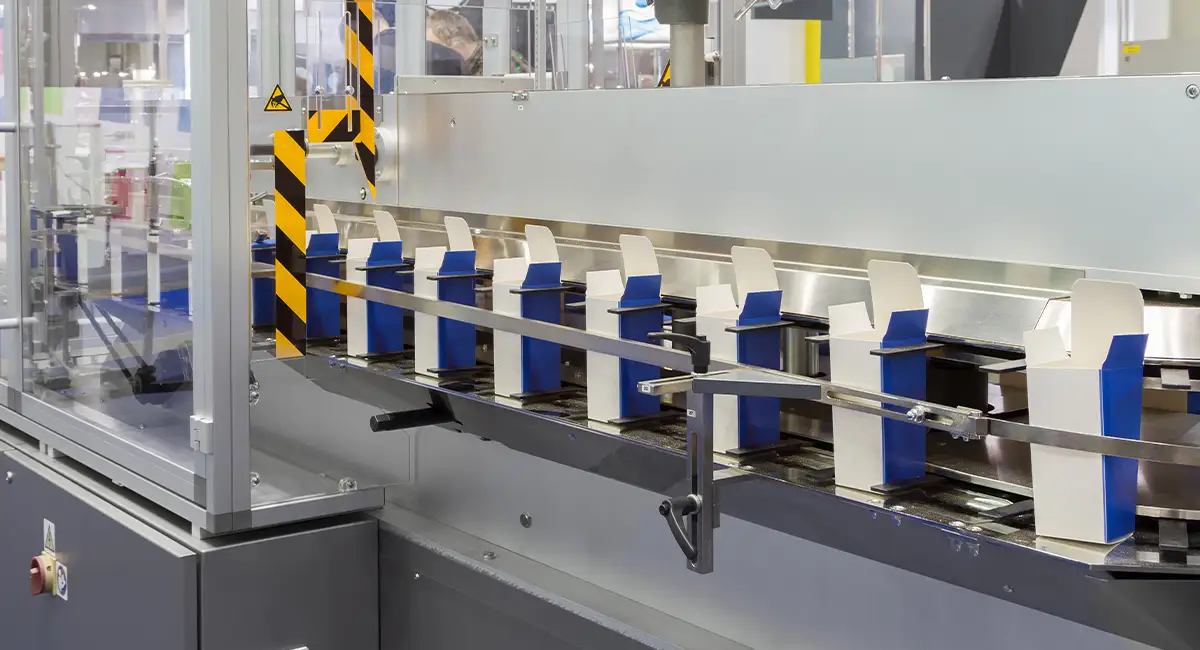
1. Hot Melt Adhesives for Packaging Industry
2. Hot Melt Adhesives for Woodworking and Furniture
3. Hot Melt Adhesives for Electronics and Automotive Industry
4. Hot Melt Adhesives for Bookbinding and Printing
5. Hot Melt Adhesives for Medical and Hygiene Applications
How to Select the Right Hot Melt Adhesive
When choosing a hot melt glue adhesive for manufacturing, consider the following factors:
Ensure the adhesive bonds well with your substrate.
Choose high-temperature resistant hot melt adhesives for demanding conditions.
Select adhesives with optimal working time and flow properties.
Evaluate the adhesive’s shear strength, peel strength, and flexibility.
Innovations in Hot Melt Adhesive Technology
1. Bio-Based Hot Melt Adhesives
2. Advanced Performance Adhesives
3. Low-Temperature Hot Melt Adhesives
Why Choose Mahisa Packaging for Hot Melt Adhesives?
FAQ's
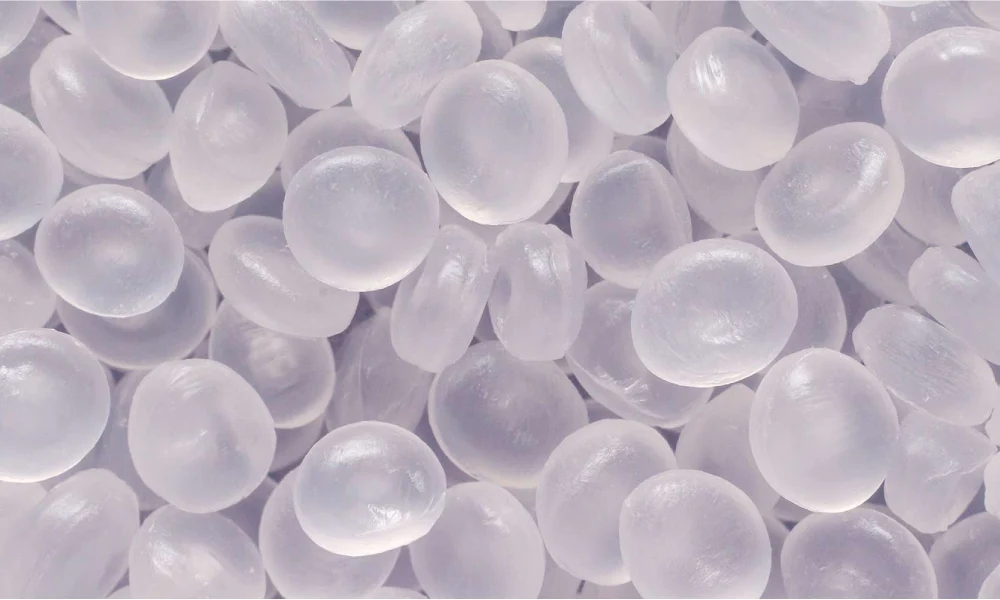
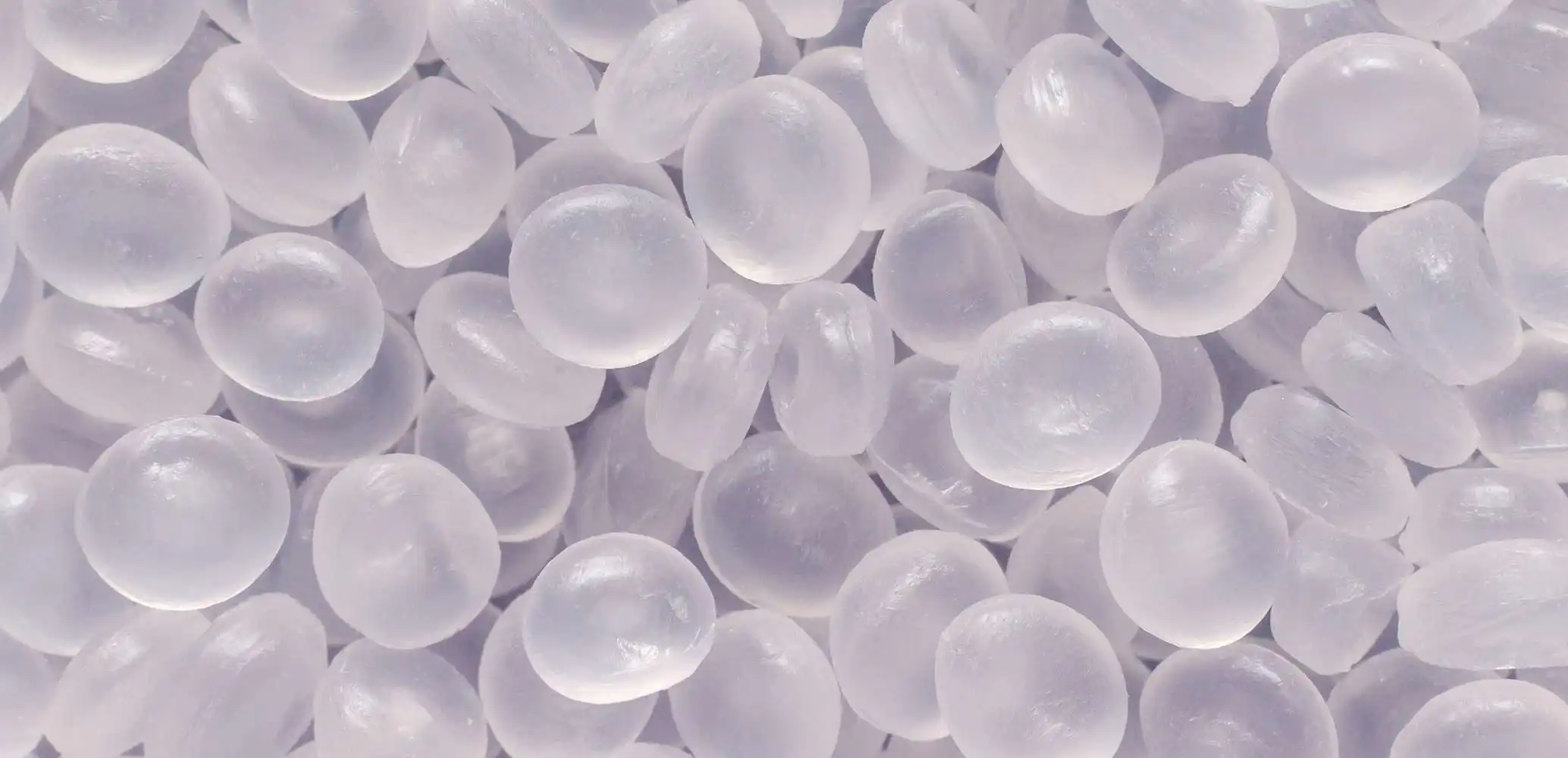
Hot melt adhesive is a thermoplastic polymer-based glue that is solid at room temperature but melts when heated, becoming a strong, fast-setting adhesive. It’s applied in its molten state and forms a bond as it cools and solidifies. Hot melt adhesives are solvent-free and known for their quick tack and versatility in bonding various materials.
Hot melt glues are categorized by their polymer base, including EVA (Ethylene-Vinyl Acetate), polyamide, polyolefin, and polyurethane. Each type offers specific properties like temperature resistance, flexibility, and adhesion strength. EVA is common for packaging, while polyamides offer higher temperature resistance. The choice depends on the application’s requirements.
Hot melt glue primarily consists of a thermoplastic polymer (like EVA, polyolefin, or polyamide), a tackifying resin to enhance adhesion, and waxes to control viscosity and melting point. Additives like stabilizers and antioxidants are also included to improve the glue’s performance, shelf life, and specific properties like heat resistance or flexibility.
Hot melt glue offers several advantages, including rapid bonding, versatility across materials, and solvent-free application. It’s cost-effective, requires minimal curing time, and provides strong adhesion for various applications. Its ability to bond dissimilar materials and resistance to moisture make it a popular choice in manufacturing and packaging.
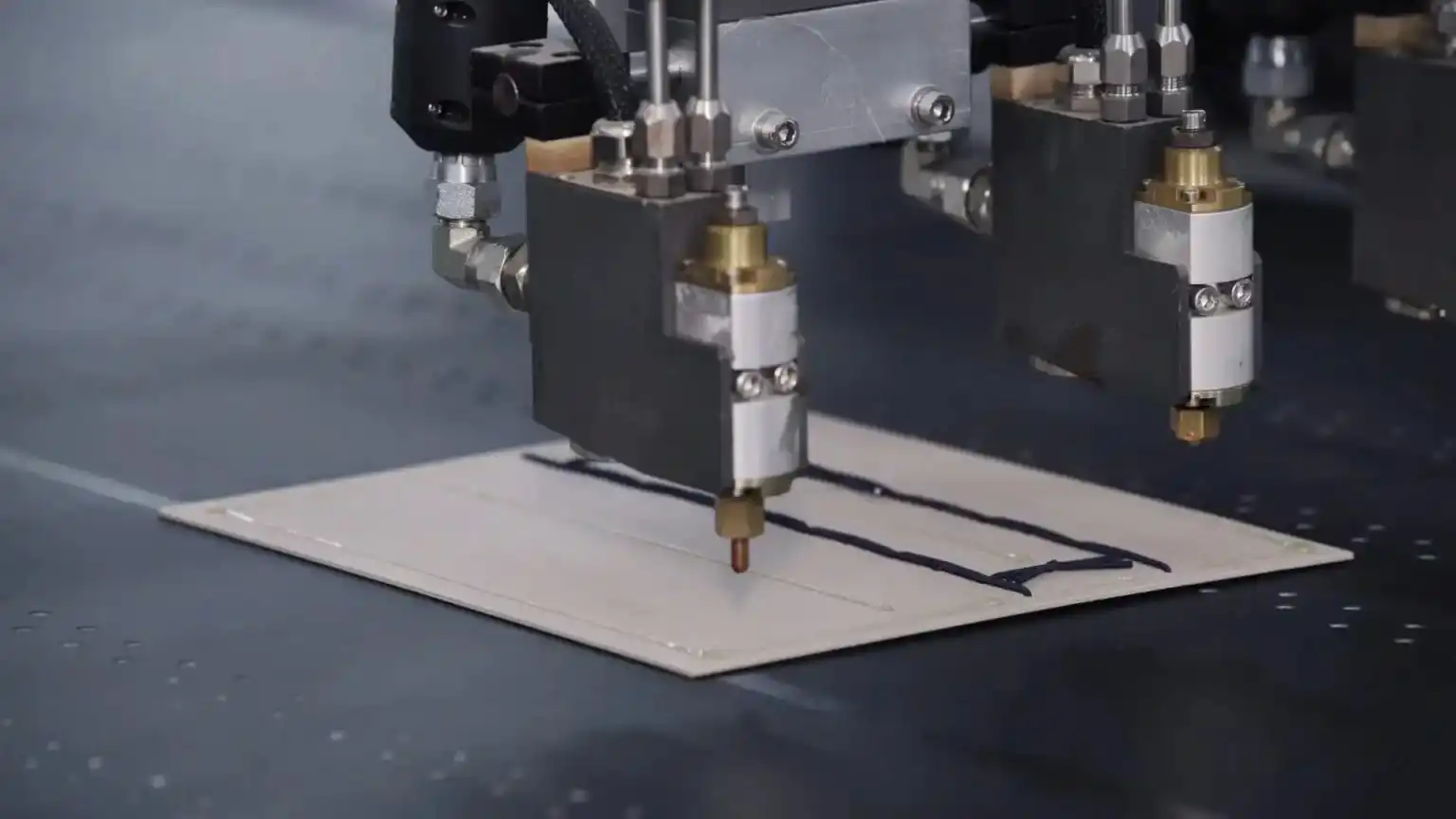
Hot melt glue works by applying heat to a solid thermoplastic polymer until it melts into a liquid. This molten adhesive is then applied to a substrate. As the glue cools, it solidifies, creating a strong bond between the surfaces. The cooling and solidification process is rapid, allowing for quick assembly.
Hot melt glue is used extensively in packaging, woodworking, bookbinding, product assembly, and textiles. It’s ideal for applications requiring rapid bonding and versatility. Common uses include sealing cartons, attaching labels, assembling furniture components, bonding fabrics, and securing wires in electronics. Its fast setting time makes it efficient for high-volume production.
The strength of hot melt glue varies depending on the formulation and materials being bonded. While not as strong as structural adhesives like epoxies, it provides sufficient strength for many applications. Its strength lies in its quick tack and ability to create a firm bond, making it suitable for holding materials together during manufacturing and packaging processes.
Common uses of hot melt glue include carton sealing in packaging, edge banding in woodworking, bookbinding, and product assembly for electronics and appliances. It’s also utilized in the automotive industry for interior trim and in the textile industry for bonding fabrics. Its versatility makes it a staple in various manufacturing and DIY applications.
Hot melt glue bonds well with a wide variety of materials, including paper, cardboard, wood, fabric, many plastics, and some metals. Surface preparation is important for optimal adhesion. Materials with porous surfaces generally bond better than smooth, non-porous surfaces. Specific formulations are designed to enhance bonding with particular materials.
Blogs You May Like..