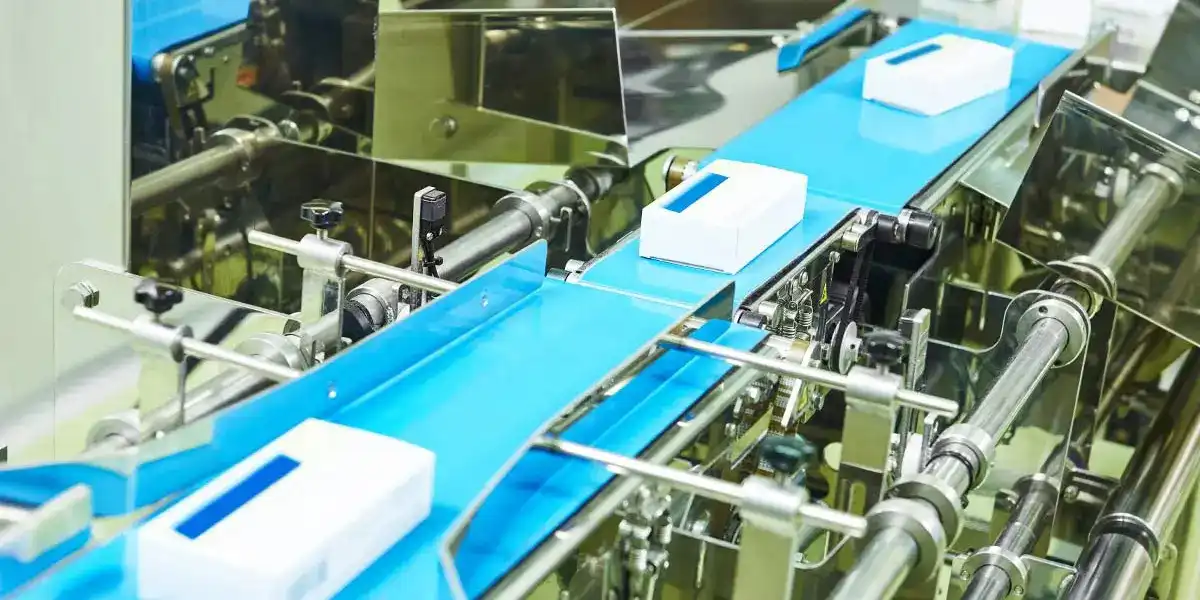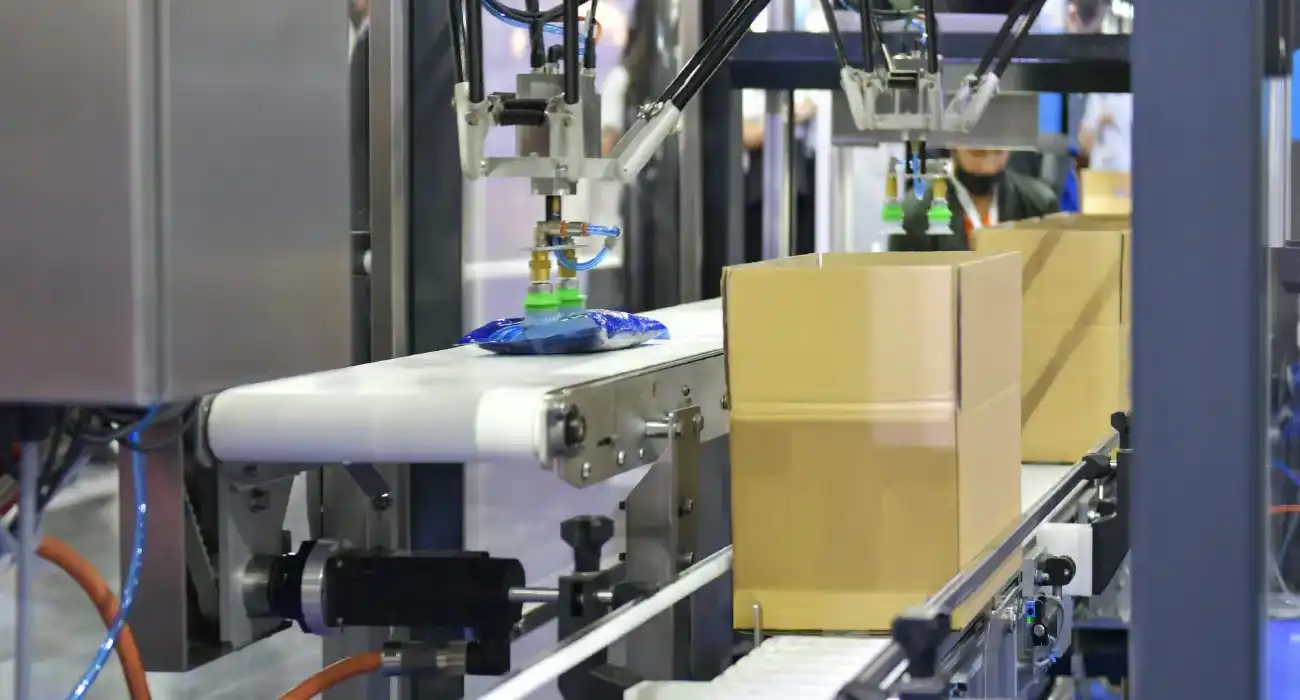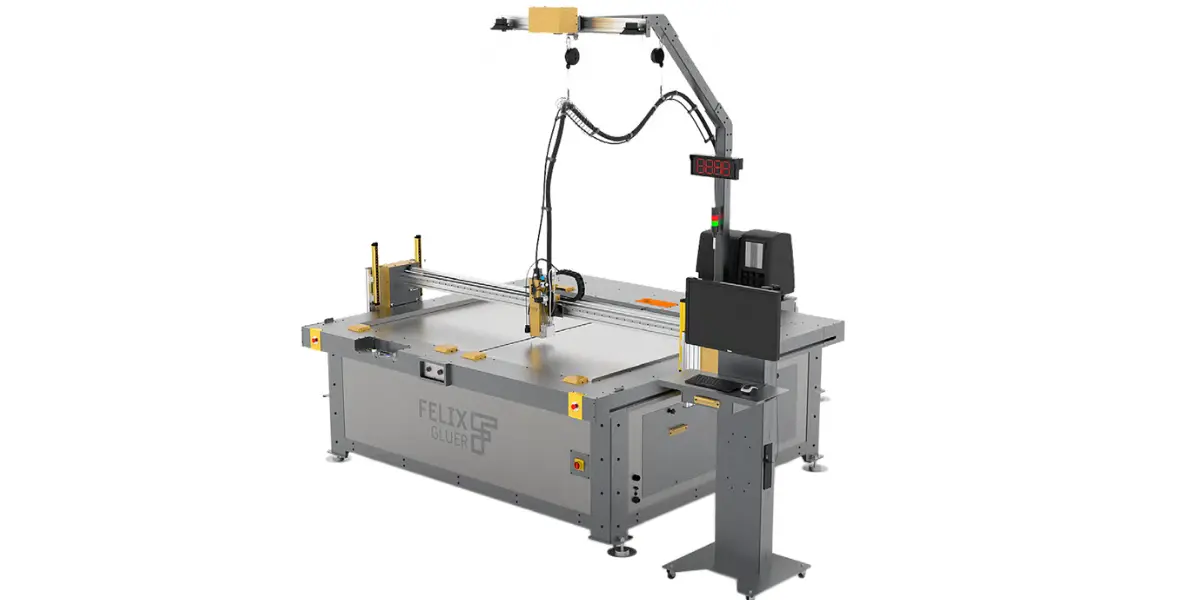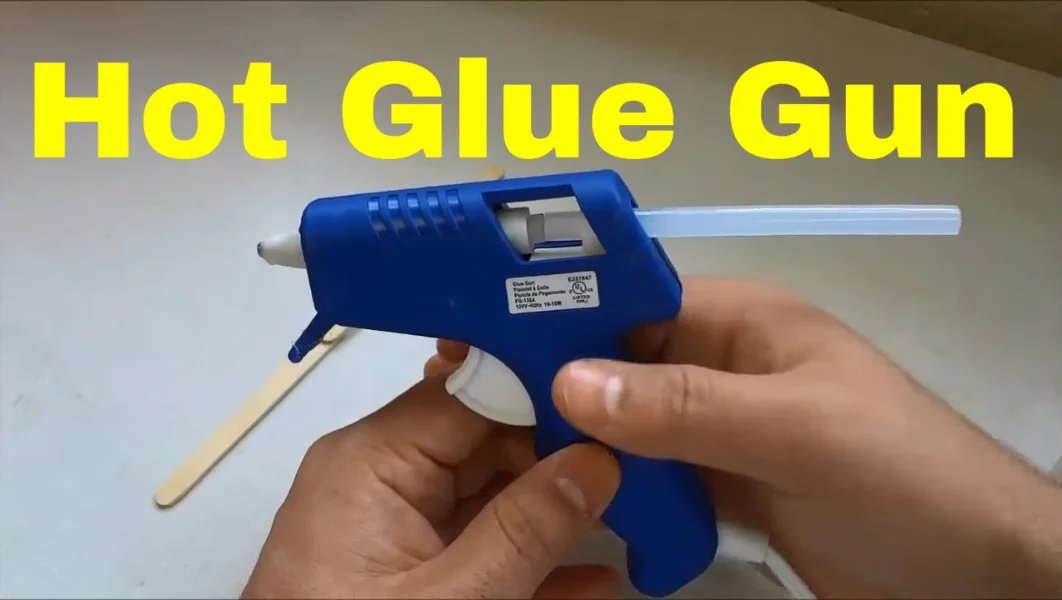
A glue gun is an essential tool for DIY enthusiasts, crafters, and professionals in various industries. This handheld device uses hot glue sticks that, when heated, provide a strong and quick bond for different materials like paper, fabric, wood, and plastic. Whether you’re working on home décor, school projects, or professional repairs, a glue gun offers precision and efficiency. Available in different types—low-temperature, high-temperature, and cordless—glue guns cater to various needs, from delicate crafts to heavy-duty applications. Their ease of use and versatility make them a go-to tool for quick fixes and creative projects. In this blog, we’ll explore the different types of glue guns, their applications, and how to choose the right one for your needs.
Glue guns come in various types, each designed for specific applications. Here are the main types of glue guns:
1. Low-Temperature Glue Guns
a. Operate at around 250°F (121°C).
b. Ideal for delicate materials like fabric, foam, and paper.
b. Suitable for crafting and small DIY projects.
2. High-Temperature Glue Guns
a. Operate at around 380°F (193°C).
b. Provide a stronger bond for wood, metal, plastic, and ceramics.
c. Best for heavy-duty projects and industrial use.
3. Dual-Temperature Glue Guns
a. Feature adjustable temperature settings.
b. Versatile for both delicate and strong materials.
c. Suitable for mixed-material projects.
4. Corded Glue Guns
a. Require a power outlet for continuous use.
b. Offer consistent heating for long projects.
5. Cordless Glue Guns
a. Battery-powered or rechargeable for portability.
b. Ideal for on-the-go repairs and outdoor work.
6. Mini Glue Guns
a. Compact and lightweight.
b. Suitable for fine detailing in crafts and small repairs.
7. Industrial Glue Guns
a. High power output for heavy-duty applications.
b. Used in packaging, woodworking, and manufacturing.
Each type serves different needs, so choosing the right glue gun depends on your project requirements.
How to Use a Glue Gun Safely and Effectively
A glue gun is a simple yet powerful tool for crafting, DIY projects, and repairs. Follow these steps to use it safely and efficiently:
Step 1: Gather Materials
a. Glue gun
b. Glue sticks (compatible with your glue gun)
c. A heat-resistant surface or workspace
d. Protective gloves (optional for extra safety)
Step 2: Plug in and Heat Up
a. Insert a glue stick into the back of the glue gun.
b. Plug it into a power source and wait 3–5 minutes for it to heat up.
c. If using a dual-temperature glue gun, set it to the desired heat level.
Step 3: Apply the Glue
a. Gently squeeze the trigger to release melted glue.
b. Apply in thin lines or dots for even adhesion.
c. Work quickly before the glue hardens.
Step 4: Join the Materials
a. Press the surfaces together firmly.
b. Hold for a few seconds until the glue sets.
Step 5: Allow to Cool & Clean Up
a. Let the glue dry completely.
b. Unplug the glue gun and allow it to cool before storing.
c. Remove excess glue with a scraper or scissors.
⚠ Safety Tips:
a. Never touch the hot nozzle or melted glue.
b. Keep away from children when in use.
c. Store in a dry place after cooling down.
By following these steps, you can use a glue gun efficiently for various projects!
Types of Glue for a Glue Gun
Glue guns use hot melt adhesives, which come in different types to suit various applications. Here are the main kinds of glue sticks used in glue guns:
1. General-Purpose Hot Glue
a. Made of EVA (Ethylene Vinyl Acetate).
b. Suitable for paper, fabric, wood, plastic, and light repairs.
c. Commonly used in crafting and DIY projects.
2. High-Strength Glue
a. Made of Polyamide or Polyurethane (PUR).
b. Offers a stronger bond for materials like metal, ceramics, and heavy plastics.
c. Ideal for industrial use and construction projects.
3. Wood Glue Sticks
a. Specially designed for bonding wood surfaces.
b. Used in carpentry, furniture repairs, and woodworking projects.
4. Fabric and Textile Glue
a. Flexible and washable adhesive for fabrics and clothing.
b. Used in garment repairs and costume design.
5. Colored and Glitter Glue Sticks
a. Decorative glue available in various colors and glitter options.
b. Used for creative projects and decorative crafts.
6. Low-Temperature Glue Sticks
a. Designed for use in low-temp glue guns.
b. Safe for delicate materials like foam, ribbon, and lightweight plastics.
7. Specialty Glue Sticks
a. UV-resistant glue for outdoor applications.
b. Electronics-safe glue for wire insulation and minor repairs.
c. Biodegradable hot glue for eco-friendly applications.
Each type of glue stick is designed for different materials, so choosing the right one depends on your project’s needs.
Applications of a Glue Gun
A glue gun is a versatile tool with a wide range of applications across different industries and DIY projects. Here are some common uses:
1. Arts & Crafts
a. Making handmade decorations and greeting cards.
b. Creating DIY scrapbooks and photo frames.
c. Assembling school projects and craft models.
2. Home Repairs & Maintenance
a. Fixing broken household items like ceramics, plastic, or wood.
b. Sealing small cracks or gaps in furniture and fixtures.
c. Repairing upholstery and fabric tears.
3. Woodworking & Carpentry
a. Bonding wooden parts in furniture making.
b. Attaching trims, moldings, and decorative pieces.
c. Temporary holding for nails and screws during assembly.
4. Packaging & Sealing
a. Sealing cardboard boxes and cartons securely.
b. Attaching labels, ribbons, or decorations on packaging.
5. Electrical & Wire Management
a. Insulating wires and securing cables.
b. Fixing small electronic components temporarily.
6. Jewelry Making & DIY Accessories
a. Attaching beads, stones, and embellishments to jewelry.
b. Creating hair accessories and customized fashion pieces.
7. Event & Party Decorations
a. Making wedding, festival, and party decorations.
b. Creating balloon setups, floral arrangements, and centerpieces.
8. Fabric & Textile Work
a. Quick hemming of clothes, curtains, and fabric-based crafts.
b. Fixing fabric decorations in costumes and stage props.
9. Automotive & Industrial Applications
a. Temporary fixes for car interiors and upholstery.
b. Securing foam padding or rubber parts.
10. DIY Home Décor & Renovation
a. Creating wall art and decorative installations.
b. Designing customized lamps, vases, and furniture.
A glue gun is a must-have tool for creative and functional projects, making tasks easier and more efficient!
Conclusion
A hot melt glue gun is an essential tool that brings convenience, efficiency, and versatility to a wide range of projects. Whether you’re a DIY enthusiast, a crafter, or a professional, the right glue gun can make all the difference in achieving strong and lasting bonds across various materials. From delicate crafts to industrial applications, there’s a glue gun suited for every need. By understanding the different types, applications, and safety measures, you can maximize the benefits of this handy tool. So, whether you’re creating, repairing, or designing, a glue gun is a must-have for quick and effective adhesion. Keep exploring new ways to use it and make your projects even more seamless and creative!
FAQ's
To use a hot melt glue gun:
Insert Glue Stick: Place a glue stick into the gun.
Plug In: Connect the glue gun to a power source and allow it to heat up.
Apply Glue: Press the trigger to dispense the melted glue.
Join Surfaces: Quickly press the surfaces together before the glue cools and hardens.
Unplug: Turn off and unplug the gun when finished.
Hot melt glue is best used for quick bonding in crafting, DIY projects, woodworking, and packaging due to its fast setting time and strong adhesion.
A glue gun works by heating a glue stick inside the gun, melting the adhesive, and dispensing it through the nozzle when the trigger is pressed. The melted glue quickly cools and hardens to bond surfaces together.
A glue gun typically heats up in about 3 to 5 minutes.
Yes, hot melt glue is permanent once it has cooled and set, forming a strong and durable bond.
Hot melt glue is water-resistant but not completely waterproof. It can handle occasional exposure to moisture but may weaken or dissolve with prolonged contact with water.
The strongest hot glue is typically high-temperature glue or industrial-grade hot melt glue, designed for heavy-duty bonding and enhanced durability.