Can Hot Glue Be Used on Fabric?

Can hot glue be used on fabric for your next DIY or industrial project? The answer is yes, though success depends on the glue quality and the material’s heat sensitivity. While many wonders are hot glue good for fabric, it excels in “no-sew” applications and temporary repairs. It creates a bond by penetrating porous fibers and cooling rapidly. For professional-grade results that require superior glue strength, using high-performance glue for fabric ensures your bond remains secure and provides a reliable alternative to traditional stitching in creative projects.

Fabric Bonding Techniques

Mastering professional fabric bonding techniques is essential for creating durable textiles. Modern methods involve using a glue adhesive that can withstand environmental stress. While some debate hot glue vs fabric glue, the choice often comes down to the required flexibility. In industrial sectors, hot glue for fabric is the standard for mass production. Utilizing professional equipment ensures a uniform, permanent seal that provides better glue quality than standard household tools, particularly when working with complex or heavy-duty synthetic blends that require a deep, thermal fiber-lock.

Which Fabric Glue Works Best?

When asking which fabric glue works best, you must evaluate the item’s intended use. Which glue is best for fabric that needs frequent washing? Usually, a liquid permanent adhesive. However, for rapid assembly or home decor, hot melt is often a good glue for fabric due to its instant grab. To determine whether fabric glue is permanent, check the chemical composition. For high-strength industrial applications, specialized textile glue solutions offer the thermal stability and adhesive power needed for long-lasting, heavy-duty bonds in garment manufacturing and upholstery.

Hot Glue on Fabric

Applying hot glue to fabric is a favorite technique for decorators because it sets in seconds. If you are wondering if hot glue sticks to fabric, the answer depends on texture; it grips porous weaves like cotton perfectly, but may peel off smooth silks. A common question is How long does hot glue last on fabric? While it lasts for years on display items, it may weaken under high-heat drying. For a more reliable “grab,” using a professional-grade hot glue for fabric provides the industrial-strength grip required for crafts.

Fabric Glue for Clothes

Selecting the right fabric glue for clothes involves checking for wash ability and flexibility. You can hot glue fabric instead of sewing for quick fixes, but for the best glue for clothes, look for “flexible” hot melts. Standard glue can feel rigid, so applying a good glue for fabric sparingly is key to maintaining comfort. If you are looking for a no-sew fabric glue for clothing that mimics the movement of thread, specialized adhesives provide the perfect balance between a firm hold and the necessary wearable flexibility for modern apparel.
Best Fabrics for Hot Glue
The best fabrics for hot glue are those with open fibers like felt, wool, and denim. These textures allow the glue for fabric to wrap around threads, creating a permanent lock. Natural cotton also ranks highly among the best fabrics for hot glue because it can withstand high nozzle temperatures. When working with these materials, using high-performance adhesive ensures your projects maintain structural integrity. These glue adhesive products are engineered to provide maximum glue strength across various textile compositions, from heavy canvas bags to delicate craft materials.
Can Hot Glue Be Used on Fabric, Fabric Bonding Techniques, Which Fabric Glue Works Best, Hot Glue on Fabric, Fabric Glue for Clothes, Best Fabrics for Hot Glue, Mahisa Packaging

Can Hot Glue Be Used on Fabric? Fabric Bonding Techniques & The Best Fabric Glue for Clothes

Can Hot Glue Be Used on Fabric? Fabric Bonding Techniques & The Best Fabric Glue for Clothes
Whether you’re a DIY enthusiast trying to save a loose hem or a cosplayer building an intricate masterpiece, you’ve likely stared at your glue gun and wondered: can hot glue be used on fabric?
The short answer is yes, but with some major “ifs” and “buts.” While hot glue on fabric is a miracle worker for temporary fixes and decorative crafts, it isn’t always the best choice for everyday clothing or high-stress seams.
In this guide, we’ll dive deep into the science of fabric bonding, the best Fabric glue for clothes, and the fabrics you should absolutely keep away from the heat.

Fabric bonding techniques

Can Hot Glue Be Used on Fabric, Fabric Bonding Techniques, Which Fabric Glue Works Best, Hot Glue on Fabric, Fabric Glue for Clothes, Best Fabrics for Hot Glue, Mahisa Packaging
To understand why hot glue adheres to some textiles and fails to adhere to others, we must examine how it interacts with the fibers.
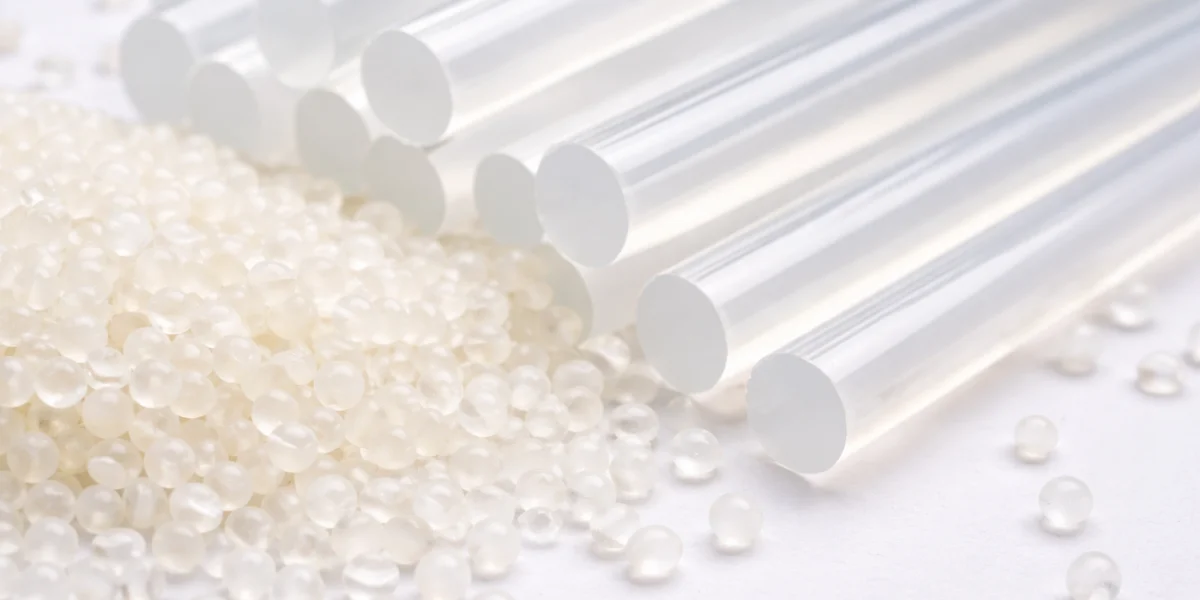
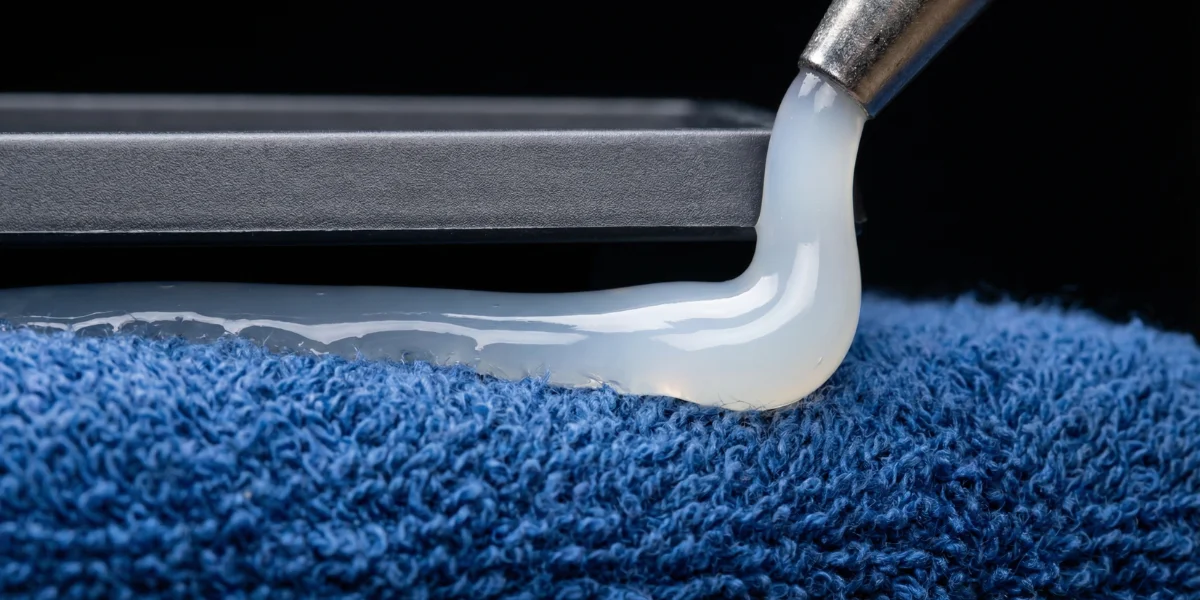
Hot glue is a thermoplastic adhesive. It exists as a solid at room temperature, liquefies when heated, and hardens as it cools. When you apply hot glue to fabric, the molten glue seeps into the weave or “pores” of the textile. As it cools, it creates a mechanical lock around the fibers.

The Two Types of Bonding:

1. Surface Adhesion:
The glue sits on top of the fabric. This is common with tight-weave synthetics and is prone to peeling.
2. Fiber Penetration:
The glue wraps around the individual threads. This occurs with porous materials like felt or cotton and creates a much stronger bond.

The Pros and Cons of Hot Gluing Fabric

Before you reach for the trigger, consider these trade-offs while using hot glue for fabric:

The Pros

1. Speed:
It sets in seconds, unlike liquid fabric glues that can take 24 hours to cure.
2. No Skills Required:
If you can’t thread a needle, a glue gun is your best friend.
3. Bulk & Texture:
It’s great for attaching heavy embellishments (like rhinestones or shells) that might tear thin thread.

The Cons

1. Heat Damage:
High temperatures can melt synthetic fibers like nylon or polyester.
2. Wash ability:
Most hot glues are not machine-washable. The agitation and heat of a dryer can cause the bond to snap or melt.
3. Stiffness:
Hot glue dries into a hard plastic. If you use it on a flowing silk dress, the glued area will be as stiff as a board.

Fabric Compatibility: Which fabric glue works best

When choosing fabric glue for clothes, the most important thing is matching the glue to the fabric. Different textiles react differently to heat, moisture, and movement. Using the wrong product, or the wrong temperature, can weaken seams, leave stains, or even burn right through delicate materials. The guide below helps you pick the best glue for clothes based on the fabric type.

Fabric Type

Compatibility

Best Temperature

Felt

Excellent

High, or Low

Cotton / Denim

Good

High (for better penetration)

Polyester

Moderate

Low (to prevent melting)

Silk / Satin

Poor

Avoid (stains and scorches)

Lace / Mesh

Moderate

Low (use a silicone mat underneath)

Best Fabrics for Hot Glue

Felt and Wool are the undisputed champions of hot glue used for clothes. Their fuzzy, open structure allows the glue to grab hold of thousands of tiny fibers, creating a bond that is incredibly difficult to pull apart. Denim and Canvas are also sturdy enough to handle high-temp glue guns, making them great for DIY patches or home decor projects.

Fabrics to Avoid with Hot Glue

Nylon and delicate synthetics have low melting points. A high-temp glue gun can melt right through a pair of leggings or a windbreaker. For these, always stick to a low-temp gun or a specialized cold-liquid fabric glue.

Step-by-Step: How to Use Hot Glue on Fabric Safely

To get a professional finish that actually stays put, follow these steps:

1. Pre-Wash Your Fabric

New fabric often has “sizing, a chemical coating that makes it look crisp on the bolt. This coating prevents glue from sticking. Wash and dry your fabric (without fabric softener) before starting.

2. Choose the Right Temperature

1. Low-Temp (approx. 250°F):
Use for delicate fabrics, ribbons, and lace.
2. High-Temp (approx. 380°F):
Use for heavy fabrics like denim, canvas, or wood-to-fabric bonds.

3. Use a "Fabric-Specific" Glue Stick

Did you know they make specialized glue sticks for textiles? These sticks often contain “polyamide” or “flexible EVA,” which allows the glue to bend slightly with the fabric rather than snapping.

4. The "Press and Hold" Technique

Apply the glue in a thin line. Immediately press the two pieces of fabric together. Use a silicone finger protector or the back of a spoon to press down firmly for 15 seconds. This forces the glue into the fibers before it cools.

Expert Tips for Longevity

1. Spot Test First:
Always test a scrap piece of fabric to ensure the glue doesn’t “bleed through” to the other side or discolor the material.
2. Avoid the Dryer:
If you must wash a hot-glued item, hand wash it in cold water and air dry. The heat of a dryer is often enough to re-soften the glue and ruin the bond.
3. Manage “Spiderwebs”:
To avoid those annoying thin strings of glue, keep your nozzle clean and “twirl” the gun as you pull away from the fabric.

Final Thoughts

So, can hot glue be used on fabric? Absolutely, as long as you match the temperature to the textile and don’t expect it to survive a heavy-duty laundry cycle. For holiday costumes, felt crafts, and quick upholstery trims, it is an unbeatable tool. But for everyday wear (especially jeans), a dedicated glue used for clothes, or good old needle and thread, is the safer choice.

FAQ's

Can hot glue be used on fabric?

Yes, hot glue can be used on fabric. It is excellent for felt, cotton, and denim. However, for delicate or synthetic materials like silk or nylon, you must use a low-temperature glue gun to avoid melting or scorching the fibers.

Is fabric glue permanent?

Fabric glues come in two varieties: permanent and temporary. Permanent fabric glues (like Fabri-Tac or Liquid Stitch) are formulated to withstand machine washing and drying. Always check the label, as "washable" glues are typically permanent, while "basting" glues are temporary.

Will hot glue stick to fabric?

Hot glue sticks very well to porous fabrics because it "locks" into the weave as it cools. It has weaker adhesion on smooth, non-porous synthetic fabrics, where it may peel off once the item is flexed or worn.

Can you hot glue fabric instead of sewing?

You can use hot glue as a no-sew alternative for decorative projects, costumes, or quick repairs. However, for high-stress areas (like armpits or crotch seams) or garments that require frequent washing, sewing is much more durable and flexible.

How long does hot glue last on fabric?

On decorative items that aren't handled, hot glue can last for years. On clothing, it typically lasts until the first or second trip through a high-heat dryer. To extend its life, always hand wash in cold water and air dry.

Hot Glue vs. Fabric Glue: Which Should You Choose?

When deciding between a glue gun and a tube of liquid adhesive, consider your project's needs for speed, durability, and texture.

Feature

Hot Glue Gun

Liquid Fabric Glue

Drying Time

Instant (30–60 seconds)

Slow (2–24 hours)

Wash ability

Poor (Often melts in dryers)

Excellent (Machine washable)

Flexibility

Stiff/Rigid

Soft/Flexible

Best For

Costumes, Felt, Home Decor

Clothing Repairs, Hems, Patches

Heat Sensitivity

Risky for synthetics

Safe for all fabrics

Pro Tip: If you are looking for an industrial-strength solution that bridges the gap, check out Mahisa's hot melt adhesive options which are specifically designed for the textile and garment manufacturing industry.

Which Glue is Best for Fabric?

The "best" glue depends entirely on your specific material:

  1. Best for Denim/Heavy Work: Beacon Fabric-Tac or heavy-duty hot melt.
  2. Best for Delicate Repairs: Aleene’s Fabric Fusion (dries clear and flexible).
  3. Best for Patches: Gorilla Fabric Glue or iron-on adhesive tape.
  4. Best for Quick Crafts: A standard dual-temp glue gun with multi-purpose sticks.