uv hot melt adhesive

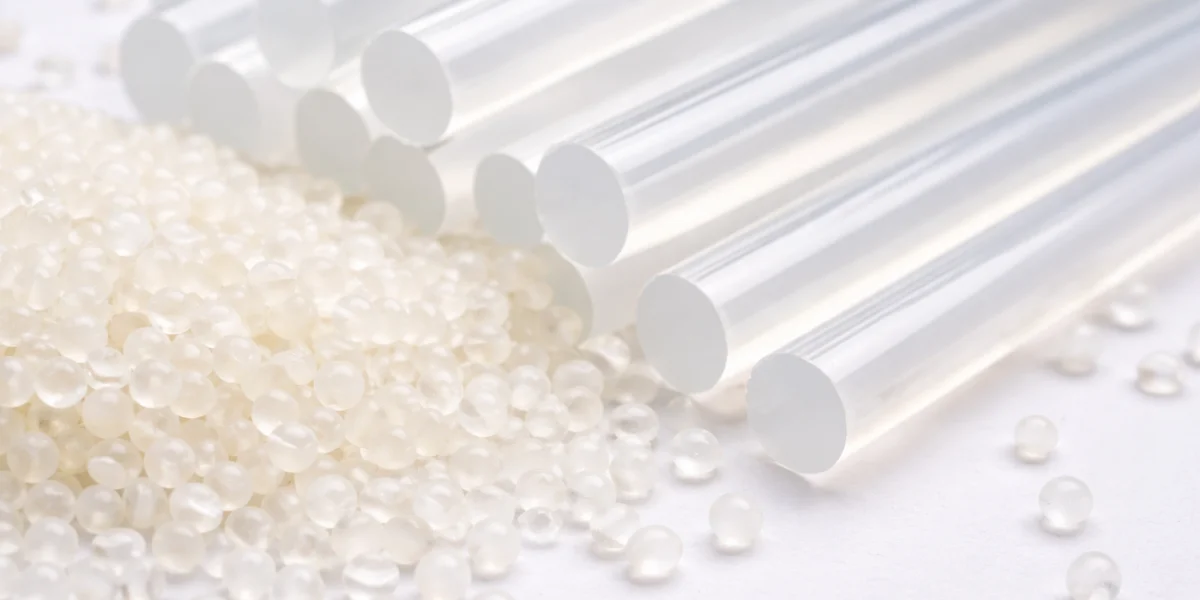
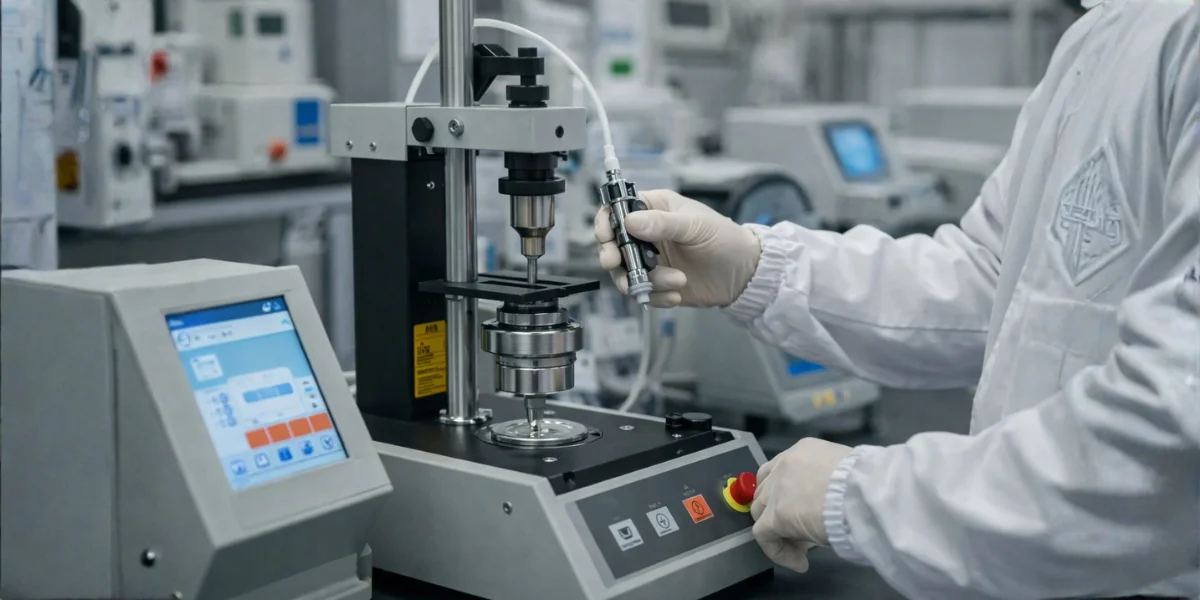
UV hot melt adhesive technology has transformed modern adhesive bonding by combining the fast processing of hot melt adhesive glue with the durability of UV curable adhesives. These advanced solutions activate instantly under ultraviolet energy, enabling superior performance across industries. Compared to traditional methods, they offer higher hot melt adhesive temperature resistance and exceptional reliability. With growing demand for efficient adhesive applications, uv adhesive manufacturers in India are delivering high-performance solutions for automotive, electronics, medical, and packaging sectors. Hot melt adhesive uses continue to expand as industries adopt cleaner, faster, and more durable adhesive bonding processes.

adhesive applications

Modern adhesive applications have evolved dramatically with the rise of UV hot melt adhesive solutions. These systems outperform traditional glues by offering instant curing under ultraviolet energy, making them ideal for precision assembly and high-speed manufacturing lines. They deliver strong adhesive bonding, superior chemical resistance, and stability across varied hot melt adhesive temperature conditions. Whether for labels, electronics, medical products, or automotive assemblies, hot melt adhesive uses continue to expand. With the growth of hot melt adhesive manufacturers and innovative uv adhesive manufacturers in India, industries now achieve cleaner, faster, and more durable adhesive bonding processes than ever before.

uv curable adhesives

UV curable adhesives have become a breakthrough in industrial bonding due to their ability to cure instantly when exposed to ultraviolet energy. These adhesives combine the viscosity and flexibility of hot melt adhesive glue with the strength of crosslinked polymers. Designed to withstand extreme hot melt adhesive temperature conditions, they excel in electronics, medical devices, packaging, and automotive systems. Industries depend on these formulations for precise adhesive applications requiring clarity, durability, and stability. As uv adhesive manufacturers in India continue to innovate, more manufacturers are adopting UV hot melt adhesive systems for reliable, efficient, and eco-friendly adhesive bonding.

adhesive manufacturers

Leading adhesive manufacturers are shifting toward hybrid bonding systems that combine traditional hot melt technology with advanced UV curing. These manufacturers create adhesives that deliver strong adhesive bonding, fast setting, and high resistance to hot melt adhesive temperature fluctuations. By collaborating with top uv adhesive manufacturers in India, they now offer a wide range of UV curable adhesives suitable for automotive, electronics, medical, and packaging sectors. Their formulations enhance adhesive applications by improving durability, efficiency, and sustainability. As demand grows globally, hot melt adhesive manufacturers are setting new standards in performance-driven adhesive bonding processes.

hot melt adhesive manufacturers

Hot melt adhesive manufacturers have evolved to include UV-reactive systems that merge traditional bonding strength with fast UV curing capabilities. These manufacturers design adhesives that offer exceptional green strength, rapid processing, and superior resistance to variations in hot melt adhesive temperature. With innovations driven by uv adhesive manufacturers in India, these hybrid materials support advanced adhesive applications such as automotive interiors, electronics assembly, labels, and medical components. Their formulations enhance hot melt adhesive uses by integrating UV curable adhesives for higher performance and reliability. As efficiency demands rise, these manufacturers are shaping the future of industrial adhesive bonding processes.
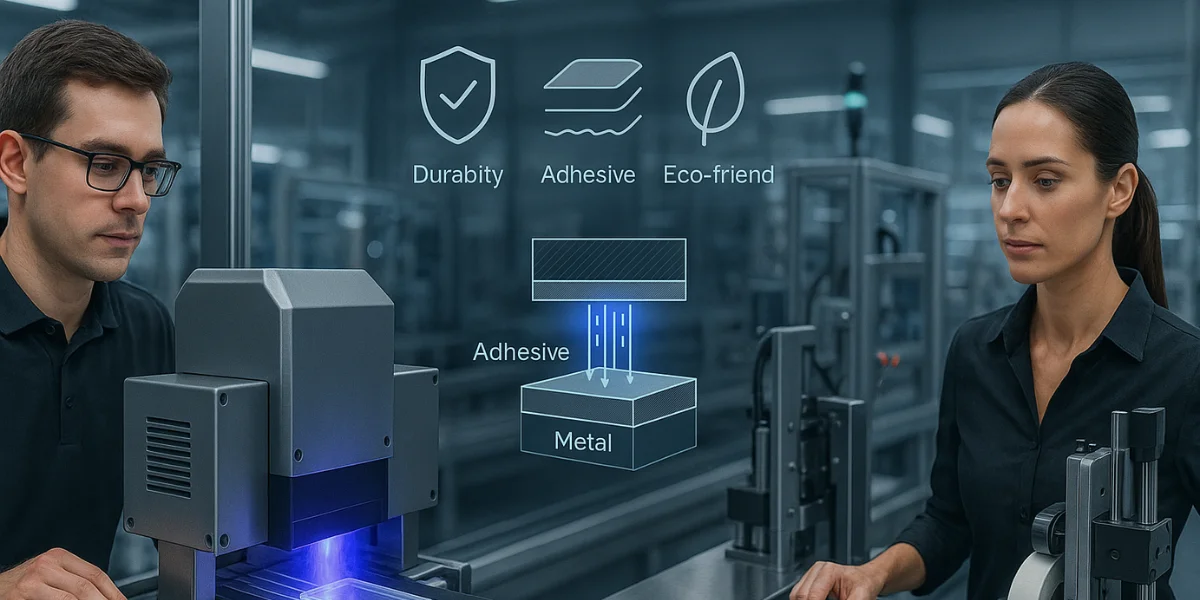
hot melt adhesive uses, hot melt adhesive manufacturers, hot melt adhesive applications, hot melt adhesive temperature, uv adhesive manufacturers in India, adhesive applications, adhesive bonding, adhesive bonding process, hot melt adhesive glue, ultraviolet energy, uv adhesive manufacturers in India, uv curable adhesives

7 Benefits of UV Hot Melt Adhesives: A Game Changer for Adhesive Applications

7 Benefits of UV Hot Melt Adhesives: A Game Changer for Adhesive Applications
In the competitive landscape of industrial manufacturing, the integrity of your product often relies on a layer of chemistry thinner than a sheet of paper: the bond. For decades, engineers and production managers have had to choose between speed and durability. You could opt for a traditional hot melt adhesive glue for rapid processing, or solvent-based acrylics for high performance.
However, the landscape of adhesive bonding has shifted dramatically with the maturity of UV curable adhesives. This hybrid technology is reshaping how industries approach assembly, packaging, and labeling. By utilizing ultraviolet energy to trigger a chemical change within the adhesive, manufacturers can now access the best of both worlds: the processing speed of a hot melt and the structural integrity of a thermoset.
If you are looking to upgrade your production line, here are the 7 benefits of UV hot melt adhesives, making them a true game changer for modern adhesive applications.

1. Superior Heat Resistance and Thermal Stability

One of the most significant limitations of traditional adhesives is the hot melt adhesive temperature threshold. Standard EVA or pressure-sensitive hot melts are thermoplastics; if they get hot again after application, they soften and lose their grip.
UV hot melt adhesives are different. Once they are applied and exposed to UV light, they undergo a process called crosslinking. This changes the chemical structure of the glue, creating a heat-resistant network. As a result, UV hot melts can withstand temperatures often exceeding 150°C (300°F) without failing. This makes them indispensable for automotive hot melt adhesive uses where components sit under the scorching sun or near engine blocks.

2. "Cure on Command" Processing Control

In a standard adhesive bonding process, you are often at the mercy of the environment. Water-based glues need time to dry; moisture-cure urethanes need humidity.
UV hot melt puts the control back in your hands. The adhesive remains a coating until it is deliberately exposed to ultraviolet energy. This “cure on command” capability allows hot melt adhesive manufacturers to run production lines at incredible speeds without worrying about long drying tunnels or unpredictable curing times. The moment the product passes the UV lamp, the bond is set.

3. Exceptional Chemical and Solvent Resistance

For products exposed to harsh environments such as medical devices wiped with alcohol or under-the-hood automotive parts standard glues often degrade. Because UV curable adhesives form a crosslinked polymer network, they offer robust resistance to chemicals, oils, plasticizers, and solvents.
This benefit is particularly vital in adhesive applications involving transdermal medical patches or cosmetic labels, where ingredients in the product itself could attack the adhesive.

4. Eco-Friendly and Safer Work Environments

Sustainability is no longer a buzzword; it is a requirement. Unlike solvent-based acrylics which release Volatile Organic Compounds (VOCs) into the atmosphere, UV hot melts are 100% solids.
1. No Solvents:
This eliminates the risk of fire hazards associated with flammable solvents.
2. Reduced Energy:
Without the need for massive drying ovens to evaporate water or solvents, the energy consumption of the adhesive bonding line drops significantly.
3. Safety:
It creates a safer environment for workers, reducing the need for expensive air extraction systems.

5. Adhesion to Difficult Substrates

Modern product design involves a variety of tricky materials. From low-surface-energy plastics (like polyethylene) to chemically etched glass and metals, getting things to stick is a challenge.
Top hot melt adhesive manufacturers have formulated UV acrylics to possess aggressive tack and wetting properties. This allows the hot melt adhesive glue to flow into the microscopic peaks and valleys of a substrate before curing, creating a mechanical lock that is difficult to break. This versatility is a key reason why hot melt adhesive applications have expanded into electronics and high-end packaging.

6. High "Green Strength" and Cohesion

“Green strength” refers to the adhesive’s ability to hold parts together immediately after application, before the cure is fully complete. UV hot melts offer excellent green strength because they are applied as a viscous liquid that thickens immediately upon cooling.
Furthermore, once cured via ultraviolet energy, they exhibit high shear strength (cohesion). This means the adhesive won’t “creep” or slide under sustained load. This is critical for mounting tapes and heavy-duty hooks where the bond must fight gravity for years.

7. Optical Clarity and Non-Yellowing Properties

For clear labels on glass bottles (“the no-label look”) or display bonding in tablets and phones, aesthetics are just as important as strength. Traditional rubber-based hot melts can yellow over time or under UV exposure from the sun.
Because UV hot melts are typically acrylic-based, they are naturally resistant to oxidation and UV degradation. They remain crystal clear, ensuring that the adhesive bonding does not interfere with the visual quality of the product.

Expanding Horizons: Global Sourcing and Manufacturing

The demand for this technology has sparked a global surge in production capacity. While Europe and North America have long been hubs, there is significant growth in Asia. Specifically, uv adhesive manufacturers in india are becoming increasingly prominent players in the global market.
As India’s manufacturing sector modernizes, these local suppliers are adopting advanced chemical engineering to produce high-quality UV hot melts that compete on the global stage. For international buyers, looking at uv adhesive manufacturers in india can offer a strategic balance of cost-efficiency and high performance, diversifying the supply chain for critical adhesive materials.

Common Hot Melt Adhesive Uses

Understanding the benefits helps, but where is this actually used? The versatility of UV hot melt covers a broad spectrum:
1. Medical Tapes:
Breathable, hypoallergenic adhesives for wound care.
2. Automotive:
Headliner bonding, sound damping pads, and interior trim.
3. Electronics:
Gasketing and sealing touchscreens.
4. Industrial Tapes:
High-strength mounting tapes (VHB style replacements).
5. Labeling:
Durable labels for chemical drums or outdoor equipment.

Conclusion

The shift from traditional glues to UV curable adhesives represents a leap forward in manufacturing efficiency and product durability. By utilizing the power of ultraviolet energy, manufacturers can achieve bonds that resist heat, chemicals, and time, all while running a cleaner, faster production line.
Whether you are sourcing from established western giants or tapping into the innovation of uv adhesive manufacturers in india, integrating UV hot melt into your adhesive bonding process is a strategic move. It allows you to stop worrying about whether your product will hold together, and start focusing on what you build next.
If your current hot melt adhesive applications are failing to meet the rigors of the modern world, it is time to explore the transformative power of UV technology.

FAQ's

What is UV hot melt adhesive?

UV hot melt adhesive is a hybrid bonding material that applies like a traditional hot melt adhesive but cures instantly when exposed to ultraviolet energy. This gives it higher strength, better heat resistance, and more control during adhesive applications.

What are the main advantages of UV hot melt adhesives?

They offer fast processing, high durability, stability at extreme hot melt adhesive temperature ranges, chemical resistance, and eco-friendly performance. They combine the strengths of hot melt adhesive glue and UV curable adhesives.

Where are UV hot melt adhesives used?

Common hot melt adhesive uses include medical tapes, automotive parts, electronics assembly, industrial labels, packaging, and high-strength tapes. Their reliability makes them suitable for demanding industrial adhesive bonding processes.

How is UV hot melt different from traditional hot melt?

Traditional hot melts rely on cooling to set, while UV hot melts remain tacky until exposed to ultraviolet energy, allowing instant “cure-on-command.” They also provide superior durability and chemical resistance.

Do UV hot melt adhesives withstand high temperatures?

Yes. After curing, they form a crosslinked polymer network, allowing them to resist high hot melt adhesive temperature conditions often above 150°C.

Why are UV curable adhesives becoming popular in India?

Because uv adhesive manufacturers in India now offer advanced, globally competitive formulations. Indian manufacturers provide cost-effective, high-performance solutions for industries requiring fast, durable adhesive bonding.

Are UV hot melt adhesives environmentally friendly?

Yes. They contain 100% solids, release no VOCs, and eliminate the need for solvent-based processes making them cleaner and safer for workers and the environment.