What Is Hot Glue Used For?

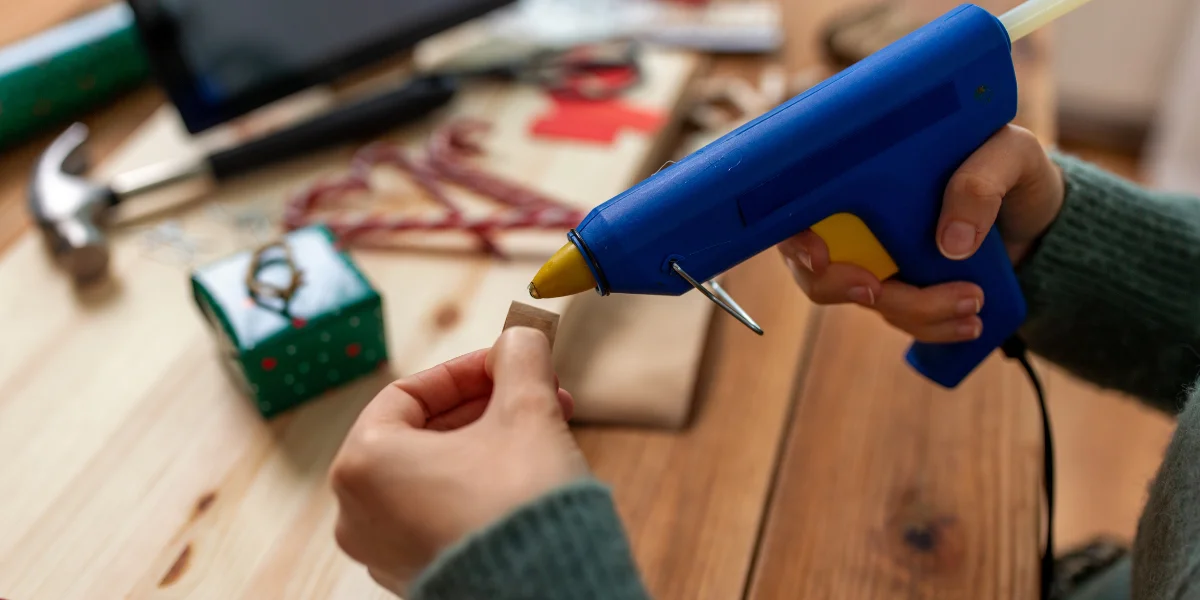
What is hot glue used for in the modern world? This thermoplastic adhesive is the ultimate multi-tool for bonding wood, metal, plastic, and ceramics. Unlike traditional liquid glues that require long drying times, hot glue sets in seconds as it cools. Its unique ability to fill large gaps and create a flexible yet durable seal makes it indispensable for quick household repairs, professional upholstery, and creative DIY projects where speed and versatility are the top priorities.

Hot Glue Usage

Understanding the full scope of hot glue usage is essential for both hobbyists and industrial professionals. Beyond simple crafts, this adhesive is a staple in high-speed packaging, where automated systems rely on rapid glue dispensing to seal thousands of boxes per hour. In the home, its usage extends to stabilizing loose furniture joints, insulating low-voltage electronics, and even creating non-slip surfaces. By mastering different temperatures, you can expand your project list to include delicate textiles and heavy-duty repairs.

Common Uses Of Hot Melt Glue

The most common usage of hot glue involves securing porous materials like cardboard, wood, and floral foam. Because it provides an almost instant mechanical bond, it is the preferred choice for holiday decorations, school projects, and architectural model building. Additionally, homeowners frequently use it as a “temporary clamp” in woodworking or to re-attach loose shoe soles. Its accessibility and low cost have made it the go-to adhesive for millions of quick-fix scenarios around the globe.

Hot Melt Glue Application

Mastering hot melt glue application requires a balance of speed and precision. To achieve the best results, you must choose the correct adhesive application methods, such as “beading” for long seams or “spot welding” for localized strength. High-temperature guns are best for dense materials like oak or metal, while low-temperature settings are vital for an Intro: Hot Glue on Fabric to prevent scorching. Always ensure the nozzle is clean to maintain a consistent flow during every application.
Hot Glue Uses
When exploring various hot glue uses, one often overlooks its role in creative “life hacks” and industrial “potting.” Artists use the adhesive’s thick body to create 3D textures on canvas, while electricians use it to secure vibrating wires on circuit boards. From sealing shipping cartons to crafting intricate jewelry, the list of applications is nearly endless. Whether you are a professional or a beginner, the versatility of hot melt ensures there is a solution for almost any bonding challenge.
What Is Hot Glue Used For, Hot Glue Usage, Common Uses Of Hot Melt Glue, Hot Melt Glue Application, Hot Glue Uses, Hot Glue Gun, Hot Glue On Fabric, Mahisa Packaging

The Ultimate Guide: What is Hot Glue Used For?
The Ultimate Guide: What is Hot Glue Used For?
Whether you are a seasoned DIY enthusiast, a professional tradesperson, or a parent fixing a broken toy, chances are you’ve reached for a glue gun at some point. But beyond the occasional craft project, what is hot glue used for exactly?
Hot melt adhesive commonly known as hot glue, is one of the most versatile tools in any toolbox. Its ability to bond quickly, fill gaps, and work on porous surfaces makes it a go-to solution for thousands of applications. Understanding the full scope of hot glue usage allows you to tackle everything from delicate upholstery to heavy-duty industrial repairs with confidence.

What is Hot Glue Used For?

Hot glue is primarily used for bonding porous and non-porous materials including wood, fabric, plastic, glass, and metal. Because it cools and sets within seconds, it is ideal for fast-paced crafting, home repairs, upholstery, and industrial packaging.

How Hot Glue Works

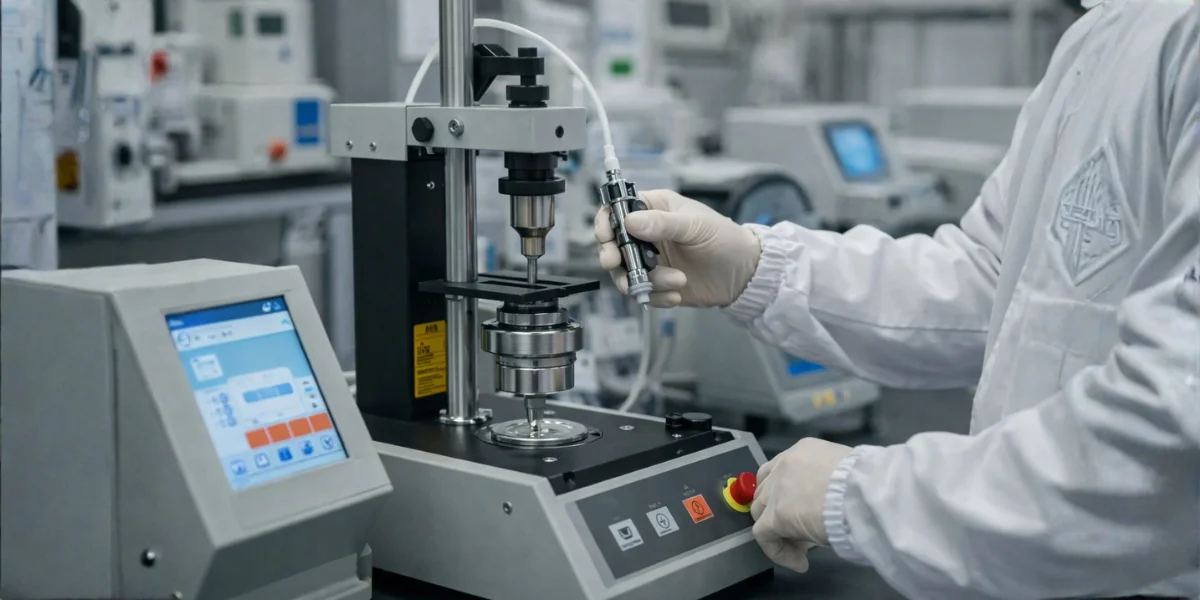
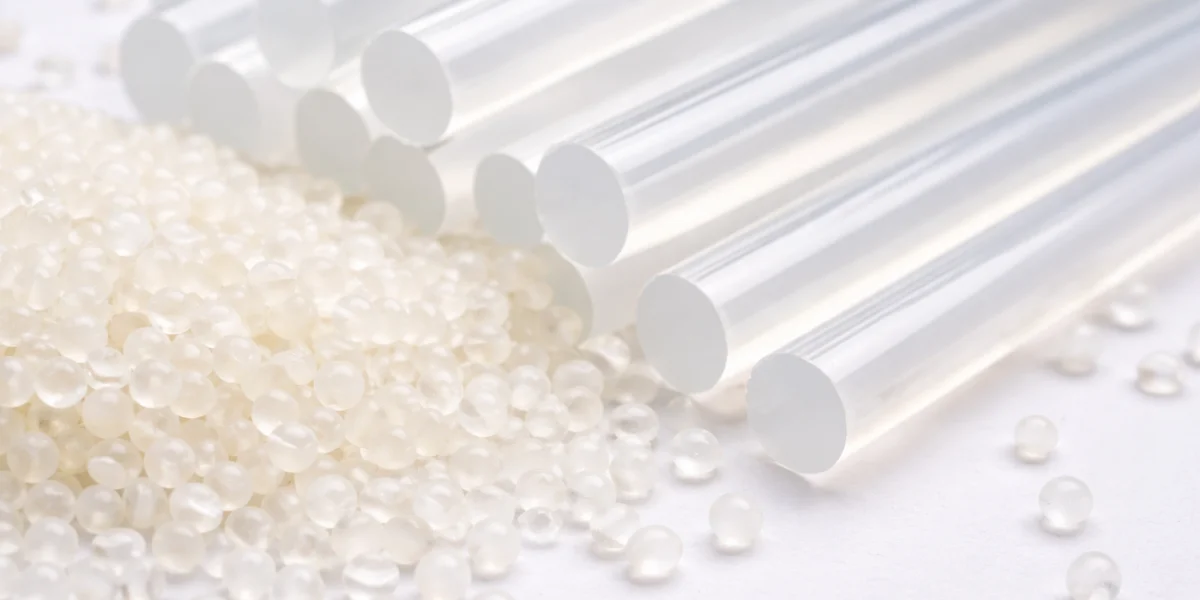
Before diving into its uses, it’s helpful to understand the science. Hot glue is a thermoplastic adhesive. Unlike liquid glues that dry through evaporation (which takes time), hot glue is melted by a heating element in a glue gun. Precise glue dispensing is key; as the molten polymer is pushed through the nozzle, it flows into the microscopic crevices of a surface. As it cools, it undergoes a physical change back into a solid state, creating a strong mechanical bond.

1. Arts, Crafts, and DIY Projects

The common uses of hot melt glue involve fast-bonding repairs and hobbyist crafts. Its rapid set time makes it the go-to adhesive for securing porous materials like wood, cardboard, and floral foam. Because it provides an almost instant hold, it’s perfect for projects where you don’t want to use clamps.
Holiday Decorations:
From securing pinecones on wreaths to building gingerbread houses (using non-toxic versions), hot glue is the “holiday hero.”
Jewelry Making:
It’s often used to attach “findings” or gems to backing materials.
Model Building:
Architects and hobbyists use it to build foam board models or terrain for tabletop gaming.
Scrapbooking:
It adds dimension by allowing embellishments to sit slightly off the page.

2. Home Repairs and Maintenance

Hot glue isn’t just for paper and glitter; it’s a legitimate repair tool for minor household issues.
Securing Loose Trim:
If a piece of crown molding or baseboard has a small gap, a bead of hot glue can hold it until a more permanent fix is made.
Fixing Ceramics:
While not always food-safe, hot glue can invisibly mend a decorative vase or statue.
Re-attaching Shoe Soles:
In a pinch, high-temp hot glue can re-adhere a flapping sole to a sneaker.
Filling Gaps:
Because hot glue has “body” (it’s thick), it can be used to fill small holes or gaps in wood or plastic before painting.

3. Woodworking and Carpentry

Professional woodworkers often use hot glue as a temporary clamp.” Pro Tip: Use a few drops of hot glue alongside traditional wood glue. The hot glue holds the pieces in place instantly, while the wood glue creates the long-term structural bond. This eliminates the need for physical clamps on awkward angles.

4. Upholstery and Fabric Work

Hot Glue on Fabric is a game-changer for interior projects and home decor. While you wouldn’t use it to sew a dress, hot glue is a staple in the world of soft goods. Utilizing specialized adhesive application methods on textiles provides a quick-setting bond that keeps layers in place without the need for pins or needles, making it a common use of hot melt glue for rapid upholstery repairs.
1. Trimming:
Attaching braid, fringe, or sequins to pillows and curtains.
2. Temporary Hemming:
A quick fix for a fallen hem when you don’t have a sewing kit.
3. Upholstery Repairs:
Tacking down loose fabric on the underside of chairs or sofas.

Hot Melt Glue Application Chart

To maximize bond strength, choosing the right adhesive application methods is critical. High-temperature glue dispensing creates structural bonds on wood and metal, while low-temp methods protect delicate materials. Matching the heat to your material ensures the adhesive penetrates surfaces without causing thermal damage.

Hot Melt Glue Application Chart

Material

Bond Strength

Best Temperature

Best Adhesive Application Methods

Wood

High

High Temp

Bead or "Spot" welding for instant grip

Fabric/Lace

Medium

Low Temp

Thin "Line" glue dispensing to avoid bleed

Glass

Medium

High Temp

Circular "Coil" method for surface suction

Plastics

Variable

High/Specialty

"Serrated" or cross-hatch for grip

Metal

Low to Medium

High Temp

Pre-heat surface; use thick "Blob" method

5. Electronics and Industrial Use

From the craft room to the factory floor, hot glue use is ubiquitous.
1. Wire Stabilization:
Manufacturers use hot glue to “pot” or secure wires to circuit boards, preventing them from vibrating loose.
2. Packaging:
Industrial glue dispensing is used in roughly 70% of all cardboard packaging globally. Whether you are using manual adhesive application methods for a DIY project or automated systems for manufacturing, the speed is unmatched.

6. Creative "Life Hacks"

Because hot glue is essentially a moldable plastic, people have found ingenious ways to use the glue itself as a material:
1. Non-Slip Surfaces:
Apply dots of hot glue to the bottom of rugs, socks, or clothes hangers to prevent slipping.
2. Custom Gaskets:
You can create temporary seals or spacers for household items.
3. Artistic Texturing:
Artists use the glue to create raised patterns on canvases before painting over them.

High Temp vs. Low Temp: Which Hot Glue Gun do you need?

Before understanding hot glue uses, choosing the right glue gun is just as important as the glue itself. Selecting a model that matches your project needs, whether it’s a high-output industrial tool or a precision mini gun, ensures both safety and bond integrity.

Low-Temperature Guns (approx. 250°F / 120°C)

1. Best for:
Delicate materials like lace, ribbon, thin foil, or floral foam.
2. Safety:
Lower risk of skin burns; ideal for children (with supervision).

High-Temperature Guns (approx. 380°F / 190°C)

1. Best for:
Wood, metal, thicker plastics, and stones.
2. Benefit:
Creates a much stronger, more “liquid” bond that penetrates the fibers of the material.

Safety Precautions with Hot Glue Usage

While hot glue use is generally safe, it shouldn’t be underestimated.
1. Avoid Skin Contact:
Hot glue can cause second-degree burns. Keep a bowl of cold water nearby to dip your finger in if you get “glued.”
2. Surface Protection:
Always use a silicone mat or a piece of cardboard under your gun to catch “strings” and drips.
3. Nozzle Heat:
The metal tip of the gun stays hot long after it’s unplugged.

Summary: Why Hot Glue is Essential

Hot glue is the ultimate “gap filler” in the world of adhesives. It bridges the gap between the precision of super glue and the strength of epoxy. It is valued for its speed, versatility, and low cost. Whether you are sealing a shipping box or creating a masterpiece for a school project, the humble glue stick is your best friend.

FAQ's

What is hot melt glue used for?

Hot melt glue is primarily used for rapid bonding in packaging, woodworking, and product assembly. Because it sets in seconds, it is the industrial standard for sealing cardboard boxes and the preferred DIY tool for home repairs, holiday decorations, and upholstery projects.

How does hot glue work?

Hot glue works through a process of thermal phase change. The solid adhesive stick is melted by a heating element in a glue gun; once applied as a liquid, it flows into the surface pores of a material. As it loses heat, it quickly solidifies, creating a strong mechanical bond.

What can replace hot glue?

The best replacements for hot glue are E6000 industrial adhesive, super glue (cyanoacrylate), or double-sided mounting tape. * For a flexible bond, use E6000.

  1. For instant strength on non-porous surfaces, use super glue.
  2. For temporary or paper-based projects, glue sticks or double-sided tape are effective alternatives.

Does hot glue work on fabric?

Yes, hot glue works exceptionally well on fabric, particularly for trim, hems, and upholstery. When using Hot Glue on Fabric, it is best to use a low-temperature setting to prevent the adhesive from scorching delicate fibers or bleeding through thin materials like silk or lace.

Does hot glue work on plastic?

Hot glue works on most plastics, though the bond strength varies by plastic type. It adheres well to textured or porous plastics but may struggle with smooth surfaces like polyethylene (PE) or polypropylene (PP). For the best results on plastic, use a high-temperature gun to ensure the glue "bites" into the surface.

Does hot glue work on paper?

Yes, paper is one of the best surfaces for hot glue usage. It is the most common usage of hot glue for scrapbooking, card making, and cardboard construction. Because paper is highly porous, the molten glue penetrates the fibers instantly, creating a bond that is often stronger than the paper itself.

How long does hot glue last?

A hot glue bond can last indefinitely if kept indoors and away from extreme heat. However, because hot glue is a thermoplastic, it will soften if exposed to temperatures above $60^\circ\text{C}$ ($140^\circ\text{F}$). In standard room-temperature conditions, the bond is considered permanent for non-structural items.

What is a hot glue gun used for?

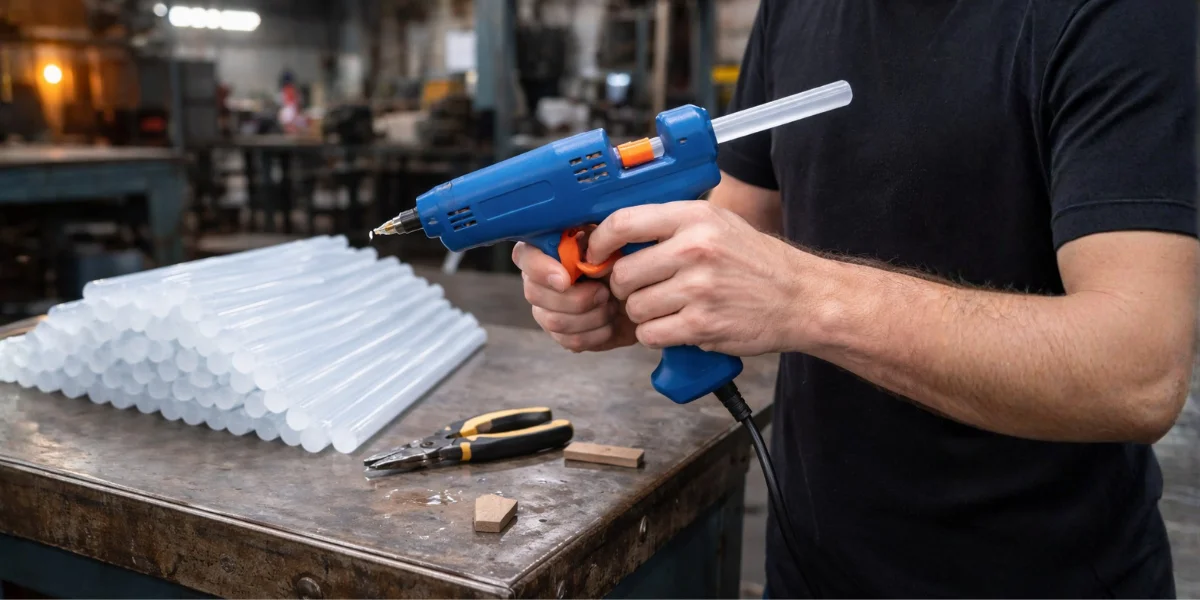
A hot glue gun is a tool used for precise glue dispensing and controlled adhesive application. It is used to melt solid adhesive sticks and apply them to surfaces in beads or dots. It is an essential tool for carpenters (as a temporary clamp), crafters, and electronics technicians for securing loose wires.