What is Hot Melt Adhesive?
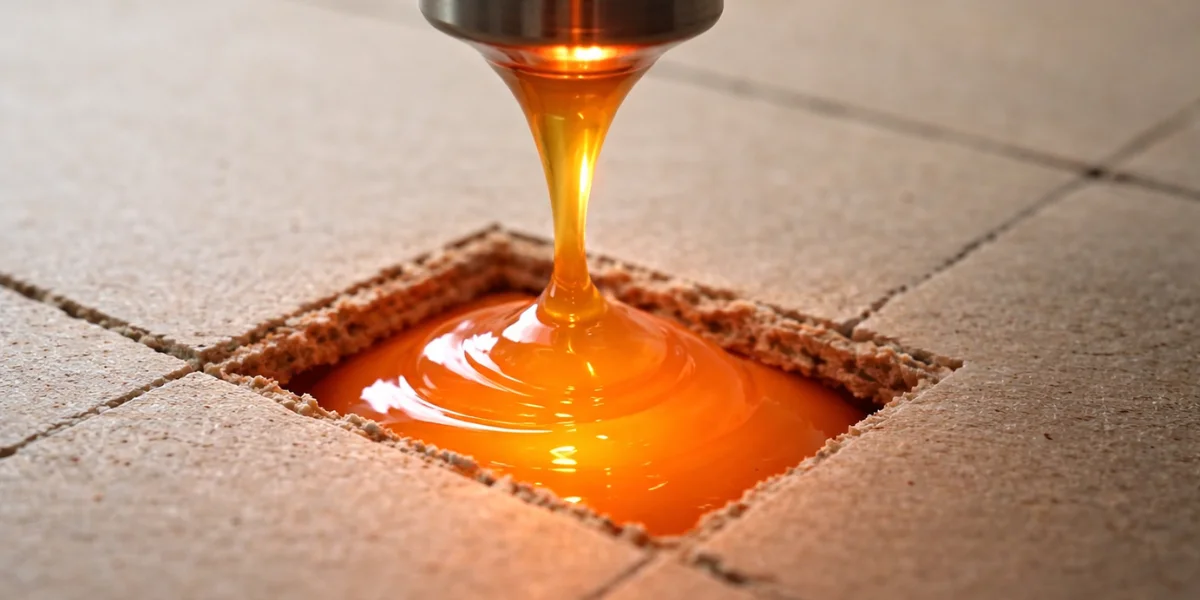
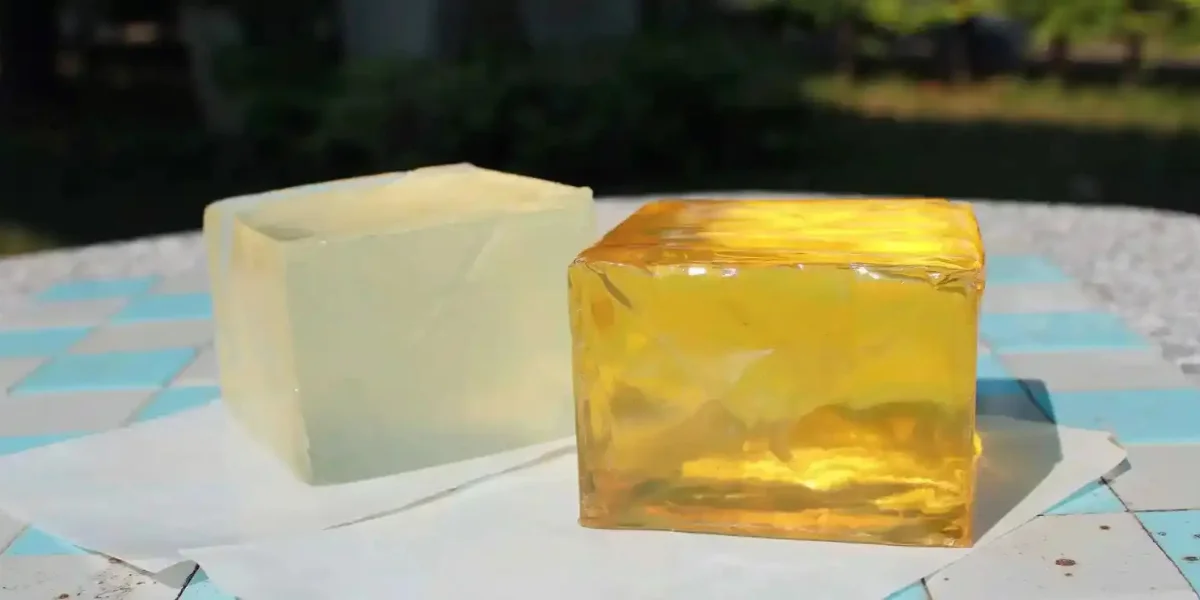
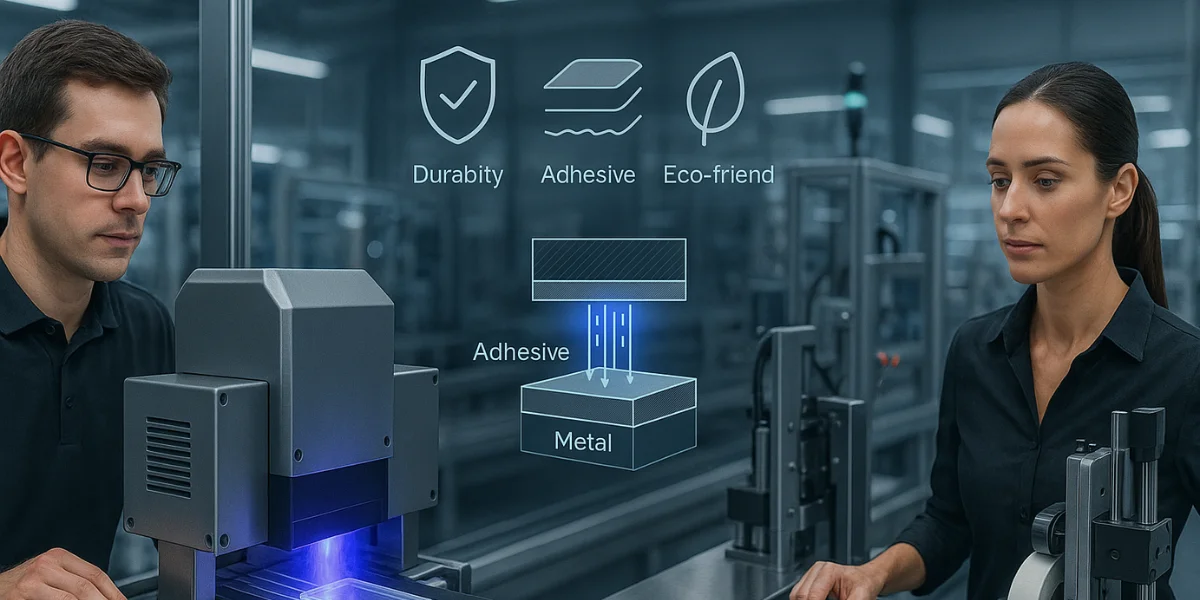
Hot melt adhesive (HMA) is a versatile, 100% solid thermoplastic material that liquefies when heated and bonds upon cooling. Unlike traditional liquid glues, it contains no water or solvents, allowing it to achieve a structural set in seconds. This unique “thermal-set” property makes it a favorite in industrial manufacturing, as it eliminates the long drying times associated with aqueous adhesives. From heavy-duty construction to delicate craft projects, hot melt provides a clean, fast, and eco-friendly bonding solution for almost any surface.Hot Melt Adhesive Application
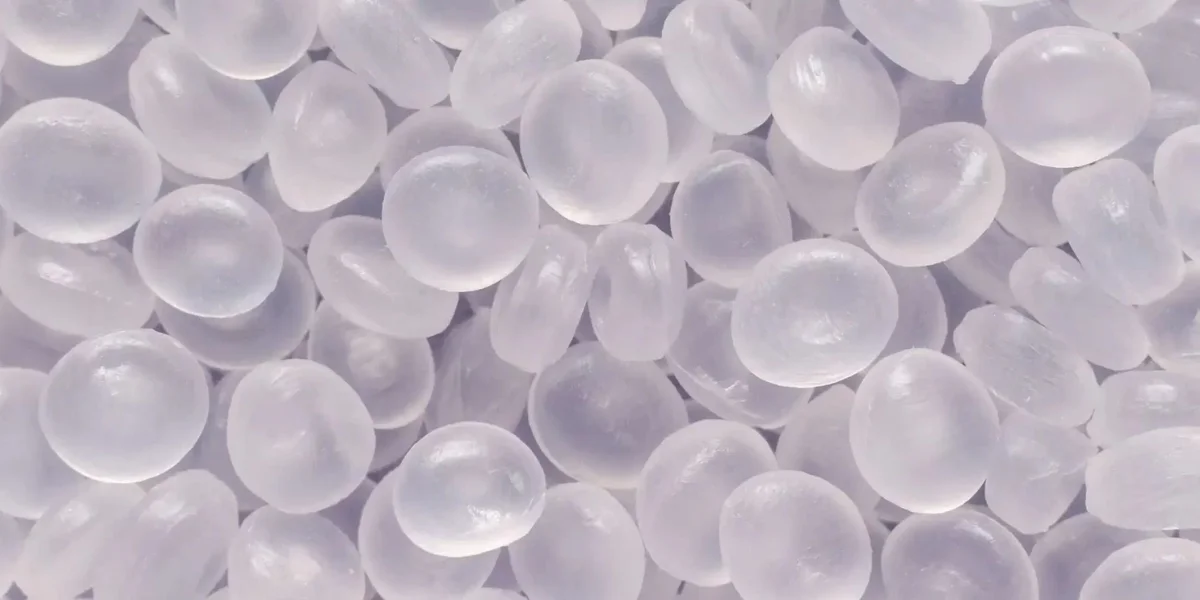
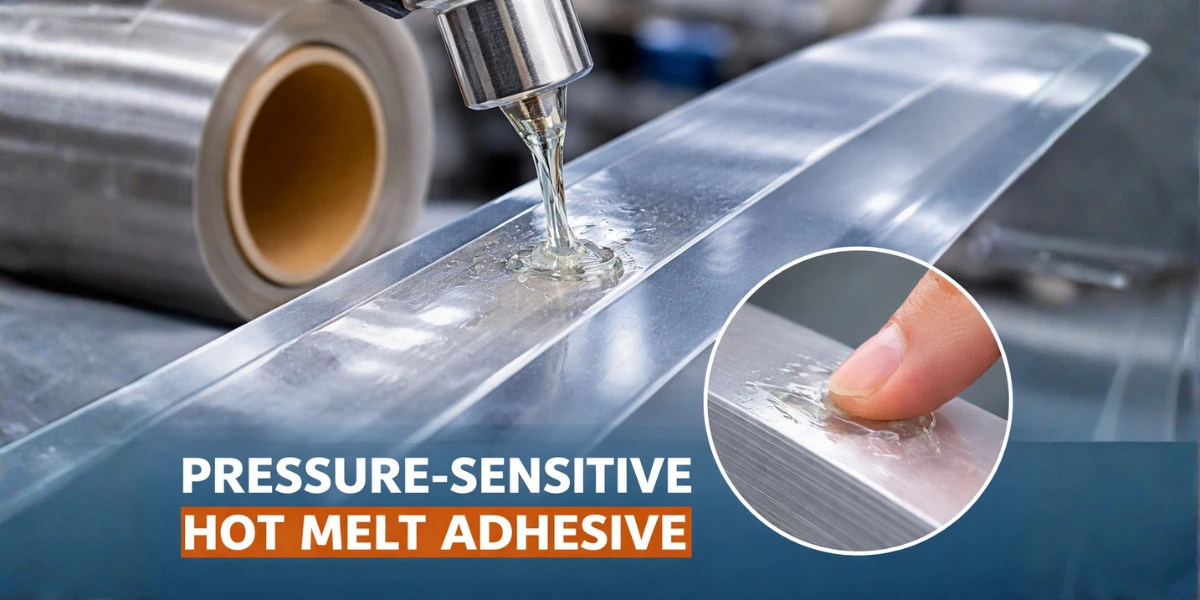
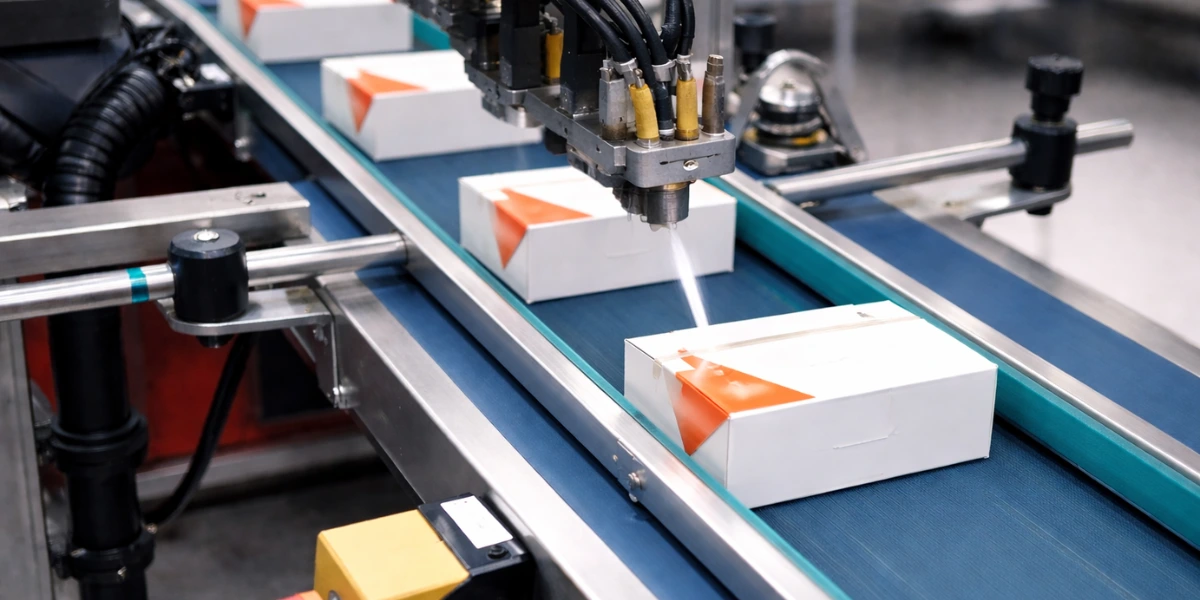
Applying hot melt involves heating the solid polymer typically in the form of sticks, pellets, or slugs until it reaches a molten state. In industrial settings, this is done using bulk melters and automated spray nozzles, while DIYers use handheld glue guns. Once the liquid adhesive is applied to a substrate, it must be joined to the second surface during its “open time” before it cools. This rapid solidification creates a mechanical bond that is immediately ready for handling or shipping.Benefits of Hot Melt Adhesives
The primary advantage of hot melt adhesive is its incredible processing speed, which significantly boosts production efficiency. Because it is solvent-free, it emits very low Volatile Organic Compounds (VOCs), making it safer for workers and the environment. Additionally, hot melt offers a long shelf life and resistance to moisture. Its gap-filling capabilities allow it to bond irregular or porous surfaces effectively, while its flexibility ensures that bonds remain intact even under mechanical stress or vibration during transport.Hot Melt Adhesive Uses
Hot melt is the backbone of the global packaging industry, used to seal everything from corrugated shipping cases to frozen food cartons. Beyond boxes, it is essential in bookbinding for flexible spines, woodworking for edge banding, and textiles for carpet secondary backing. In the automotive sector, it secures interior trim and headliners. Its waterproof nature also makes it ideal for labeling plastic bottles and assembling hygiene products like diapers, where a soft, secure, and moisture-resistant bond is absolutely critical.Types of Hot Melt Polymers
The performance of a hot melt depends on its base polymer. EVA (Ethylene Vinyl Acetate) is the most common for general packaging due to its cost-effectiveness. Polyolefins offer superior heat resistance and thermal stability for high-temperature environments. For permanent, structural applications, PUR (Polyurethane) is used because it undergoes a chemical cross-linking reaction with atmospheric moisture, making it unmeltable once cured. Other types, like Polyamides, are specifically engineered to resist oil and chemicals in harsh automotive or electronic assembly environments.Hot Melt vs. Cold Glue
The choice between hot melt and cold glue usually comes down to “set time” versus “penetration.” Cold glues, like PVA, are water-based and require evaporation to bond, which can take minutes or hours. In contrast, hot melt bonds in seconds, making it superior for high-speed assembly lines. While cold glues often provide a deeper bond in porous wood fibers, hot melt is preferred for non-porous surfaces like plastics and metals where liquid glues struggle to dry without air exposure or heat.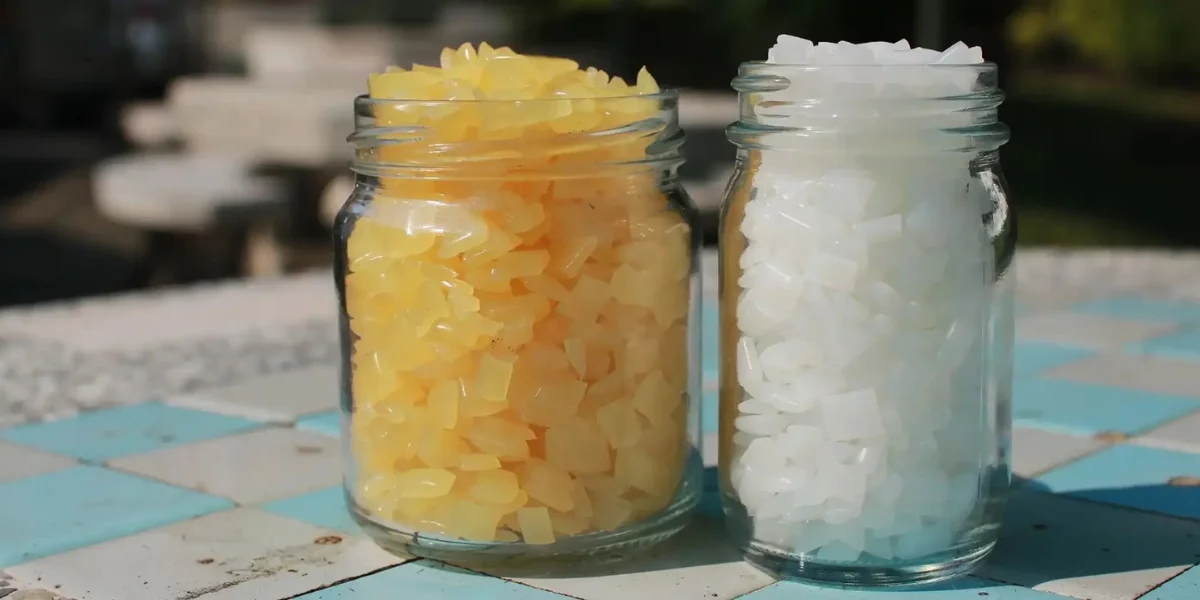
What is Hot Melt Adhesive? Your Ultimate Guide to the Modern Bonding Essential
What is Hot Melt Adhesive? Your Ultimate Guide to the Modern Bonding Essential