What Materials Does Hot Melt Glue Bond Well With?
Hot melt glue is one of the most versatile adhesives used across industries because it creates a fast, durable, and reliable bond without requiring long curing times. Whether you’re manufacturing packaging, furniture, textiles, automotive components, or consumer products, choosing the right adhesive is critical.
So, what materials does hot melt glue bond well with?
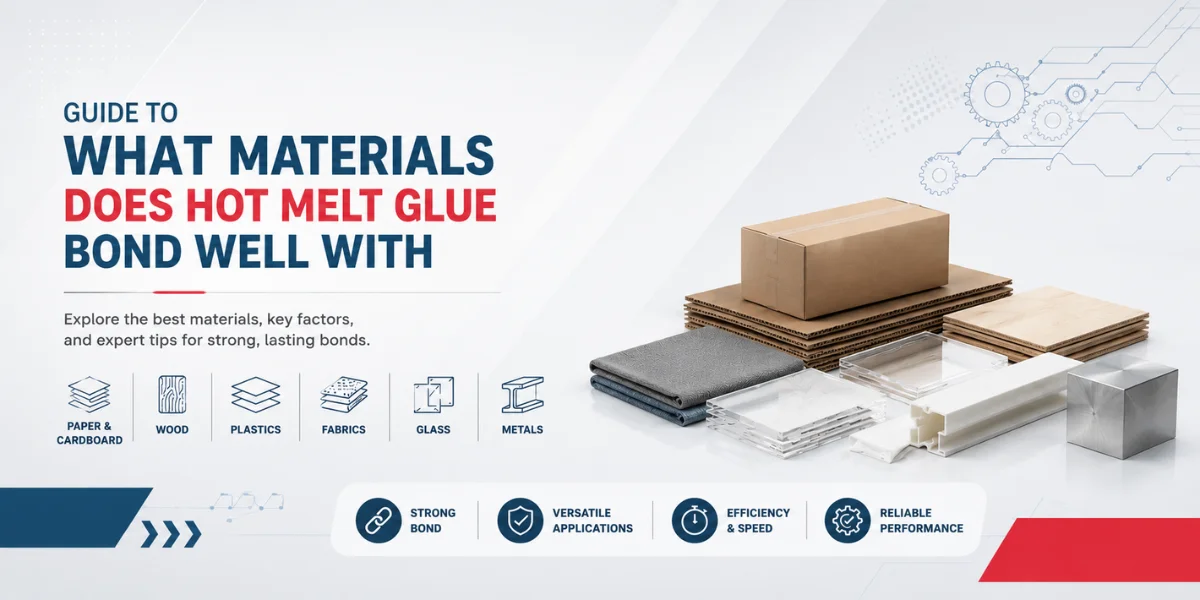
Hot melt glue bonds exceptionally well with paper, cardboard, wood, fabric, foam, leather, many plastics, ceramics, rubber, and certain metals (when used with the correct adhesive formulation). The glue bonding performance depends on the type of hot melt adhesive and the surface characteristics of the material.
Understanding which materials work best with hot melt adhesives helps manufacturers improve production speed, reduce waste, and achieve stronger product quality.
Hot melt glue bonds well with:
1. Paper
2. Cardboard & Corrugated Boxes
3. Wood
4. Fabric & Textiles
5. Foam
6. Leather
7. Rubber
8. EVA Foam
9. Ceramics
10. Many Plastics (ABS, PVC, Acrylic, Polycarbonate)
11. Some Metals (with specialty hot melt adhesives)
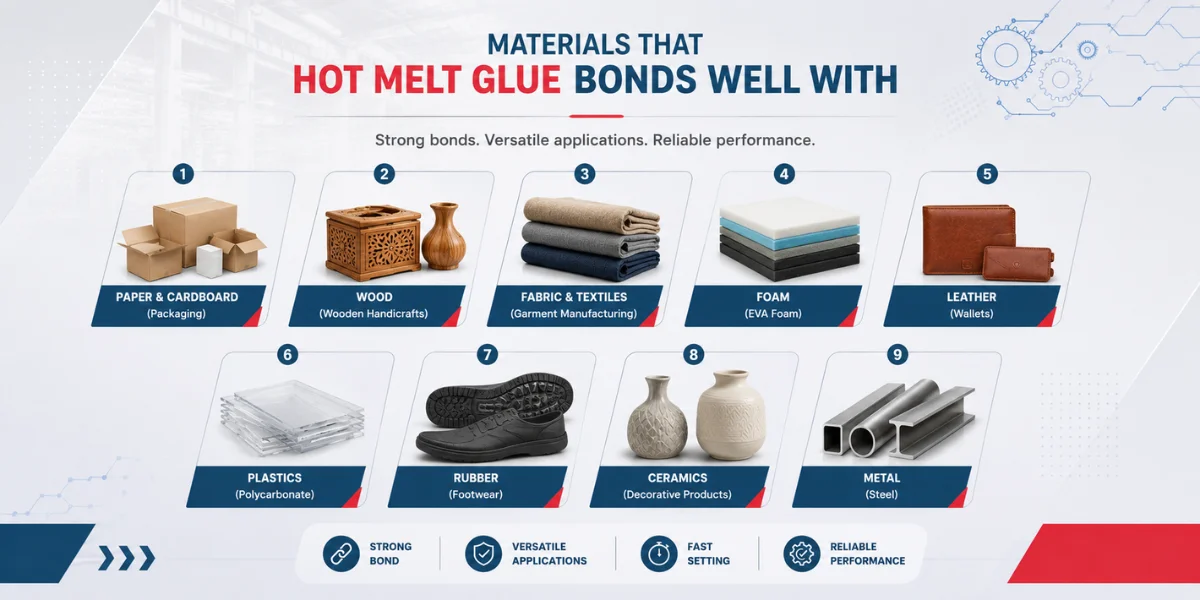
Materials That Hot Melt Glue Bonds Best With
1. Paper and Cardboard
Paper and corrugated cardboard are among the most common materials bonded using hot melt glue.
Industries such as:
1. Packaging
2. Carton sealing
3. Label manufacturing
4. Bookbinding
5. Printing
Depend heavily on hot melt adhesives because they provide:
1. Fast setting time
2. Strong fiber penetration
3. Excellent holding strength
4. High production speed
This makes hot melt glue the preferred adhesive for automated packaging lines.
2. Wood
Hot melt glue works exceptionally well on many wood surfaces.
Applications include:
1. Furniture manufacturing
2. Edge banding
3. Decorative trims
4. Cabinet assembly
5. Wooden handicrafts
It offers:
1. Excellent initial tack
2. Strong bonding strength
3. Minimal drying time
4. Clean application
Wood absorbs adhesive effectively, allowing the glue to create a durable mechanical bond.
3. Fabric and Textiles
Hot melt adhesives are widely used in the textile industry.
Common applications include:
1. Garment manufacturing
2. Shoe production
3. Upholstery
4. Automotive interiors
5. Mattresses
6. Disposable hygiene products
Hot melt glue provides flexible bonds that move naturally with fabrics without becoming brittle.
4. Foam
Foam materials bond very well with specially formulated hot melt adhesives.
Examples include:
1. EVA Foam
2. Polyurethane Foam
3. Packaging Foam
4. Cushion Foam
Applications include:
1. Furniture
2. Automotive seating
3. Protective packaging
4. Insulation panels
The adhesive creates strong bonds without damaging delicate foam structures.
5. Leather
Leather manufacturers often use hot melt adhesives for:
1. Footwear
2. Bags
3. Wallets
4. Upholstery
5. Fashion accessories
Because hot melt glue sets quickly, manufacturers can increase production speed while maintaining clean finishing.
6. Plastics
Many people ask whether hot melt glue works on plastic.
The answer is yes, but it depends on the type of plastic.
Hot melt glue bonds well with:
1. ABS
2. PVC
3. Acrylic
4. Polycarbonate
5. PET
6. Polystyrene
However, plastics like:
1. Polyethylene (PE)
2. Polypropylene (PP)
have low surface energy and usually require specialty hot melt adhesives or surface treatment for better adhesion.
7. Rubber
Hot melt adhesives perform well on several rubber materials used in:
1. Automotive components
2. Footwear
3. Seals
4. Industrial products
The correct adhesive formulation ensures flexibility while maintaining strong bonding under movement.
8. Ceramics
Ceramic materials can also be bonded using hot melt adhesives in applications such as:
1. Decorative products
2. Crafts
3. Home décor
4. Temporary assembly
Although epoxy is often chosen for structural ceramic bonding, hot melt glue works well for light-duty industrial applications requiring quick assembly.
9. Metal
Can hot melt glue bond metal?
Industrial-grade hot melt adhesives formulated specifically for metal can bond:
1. Aluminum
2. Steel
3. Stainless Steel
4. Sheet Metal
These are commonly used for:
1. Product assembly
2. Electronics
3. Appliance manufacturing
4. Temporary holding during production
Yes, hot melt glue bonds very well with wood. It is commonly used in furniture manufacturing, cabinetry, edge banding, and woodworking because it provides strong initial tack, fast setting times, and durable adhesion for many wood surfaces.
Yes, hot melt glue is widely used for bonding fabrics and textiles. It is ideal for upholstery, footwear, garments, automotive interiors, and mattresses because it creates flexible bonds that can withstand regular movement without cracking.
Hot melt glue bonds well with plastics such as ABS, PVC, acrylic, polycarbonate, PET, and polystyrene. However, low-surface-energy plastics like polyethylene (PE) and polypropylene (PP) may require specialized hot melt adhesives or surface treatment for effective bonding.
Yes, specialty hot melt adhesives can bond metals such as aluminum and steel, while standard formulations are suitable for light-duty ceramic applications like decorative items and product assembly. Selecting the right adhesive formulation ensures better bonding performance and durability.
Materials That Are Difficult to Bond
Not every surface works equally well with hot melt glue. Materials that typically require specialty adhesives include:
1. Silicone
2. PTFE (Teflon)
3. Polypropylene (PP)
4. Polyethylene (PE)
5. Oily surfaces
6. Dirty or dusty materials
These materials have very low surface energy, making adhesion more challenging.
Factors That Affect Hot Melt Glue Bonding
Even if a material is compatible, several factors influence bond strength.
Surface Cleanliness
Dust, grease, moisture, or oil reduces adhesive performance.
Always clean surfaces before application.
Temperature
Hot melt adhesives must be applied at the correct operating temperature.
Incorrect temperatures may cause:
1. Weak bonding
2. Poor penetration
3. Stringing
4. Charring
Open Time
Open time refers to how long the adhesive remains workable before setting.
Choosing the right open time depends on:
1. Assembly speed
2. Product size
3. Manufacturing process
Pressure During Bonding
Applying firm pressure while the adhesive cools improves contact between surfaces and creates stronger bonds.
The bonding strength of hot melt glue is influenced by several factors, including surface cleanliness, application temperature, adhesive open time, bonding pressure, and material compatibility. Proper application of these factors helps achieve a stronger and longer-lasting bond.
Applying hot melt glue at the correct temperature ensures proper flow, wetting, and adhesion to the material. If the temperature is too low, the adhesive may not spread evenly, while excessive heat can degrade the adhesive and reduce its bonding performance.
Clean, dry, and dust-free surfaces allow the hot melt adhesive to make better contact with the material. Removing oil, grease, moisture, and contaminants significantly improves bond strength and reduces the risk of adhesive failure.
Open time is the period during which hot melt glue remains workable after application. Joining materials within the recommended open time ensures proper bonding, while waiting too long can cause the adhesive to cool and result in a weaker bond.
Industries That Use Hot Melt Adhesives
Hot melt adhesives are used across numerous industries due to their speed and efficiency.
These include:
1. Packaging Industry
2. Furniture Manufacturing
3. Bookbinding
4. Textile Industry
5. Automotive Manufacturing
6. Electronics
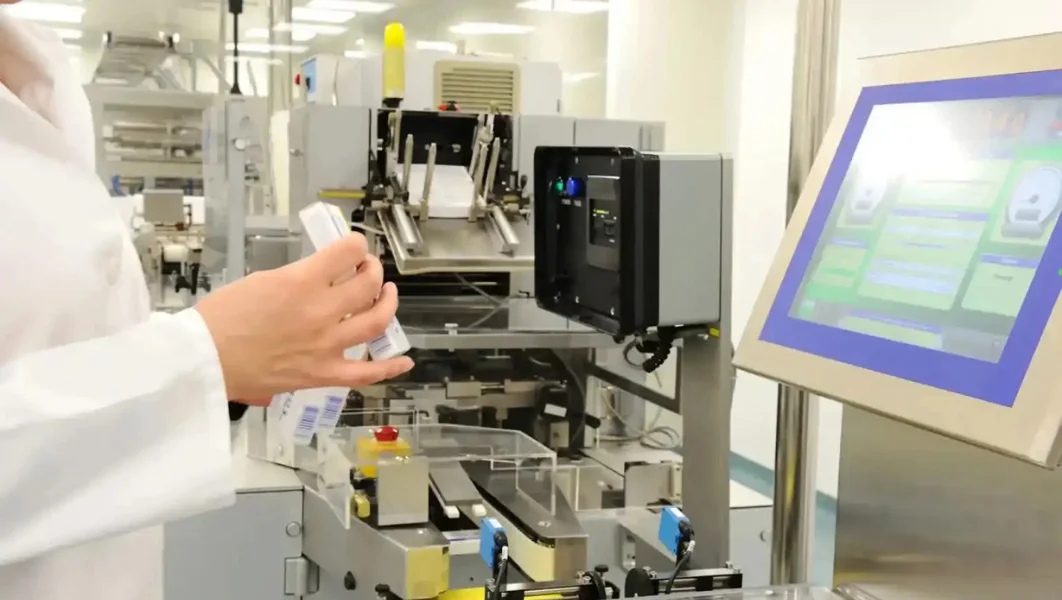
7. Medical Product Assembly
8. Footwear Manufacturing
9. Consumer Goods
10. Labeling Industry
Advantages of Using Hot Melt Glue
Manufacturers prefer hot melt adhesives because they offer numerous benefits.
Fast Bonding
Most hot melt adhesives set within seconds, reducing production time.
High Productivity
Short setting times enable continuous automated manufacturing.
Strong Adhesion
Properly selected hot melt adhesives create durable bonds across multiple materials.
Clean Application
Unlike solvent-based adhesives, hot melt glue produces minimal mess and requires no drying solvents.
Cost-Effective
Reduced waste, faster processing, and low maintenance make hot melt systems economical for large-scale production.
Environment Friendly
Many hot melt adhesives are solvent-free, reducing volatile organic compound (VOC) emissions and creating a safer working environment.
Choosing the Right Hot Melt Adhesive
Not all hot melt adhesives are the same. Common types of Hot Melt Adhesive include:
1. EVA Hot Melt Adhesives
2. Polyamide Hot Melt Adhesives
3. Polyolefin Hot Melt Adhesives
4. Polyurethane Reactive (PUR) Hot Melt Adhesives
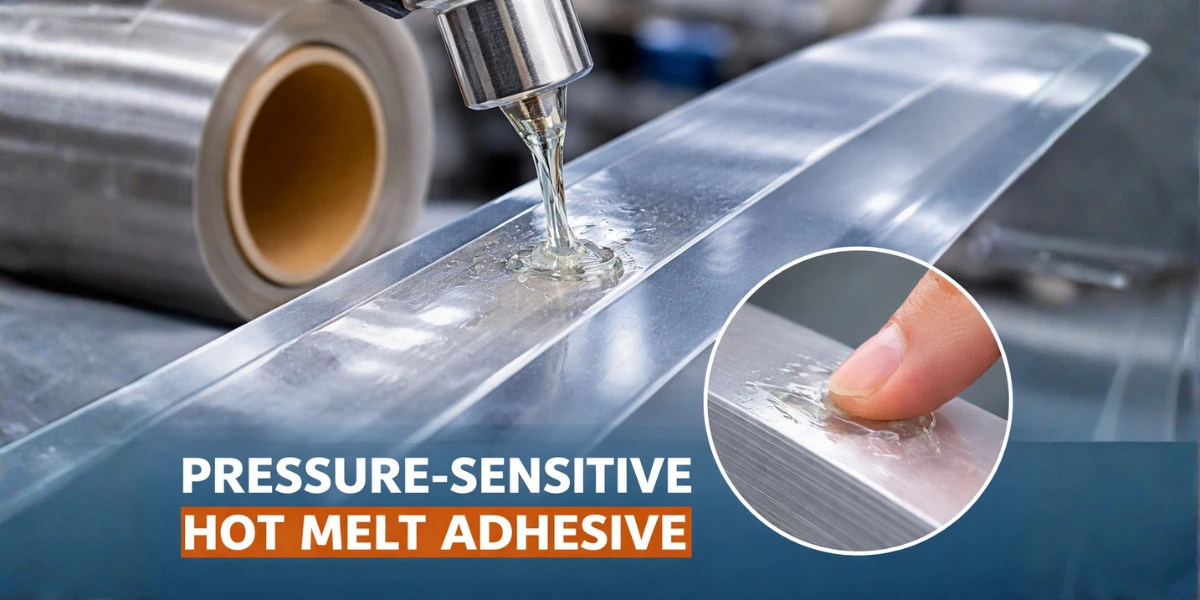
5. Pressure Sensitive Hot Melt Adhesives (PSA)
The ideal adhesive depends on:
1. Material type
2. Operating temperature
3. Flexibility requirements
4. Moisture resistance
5. Production speed
6. Final product application
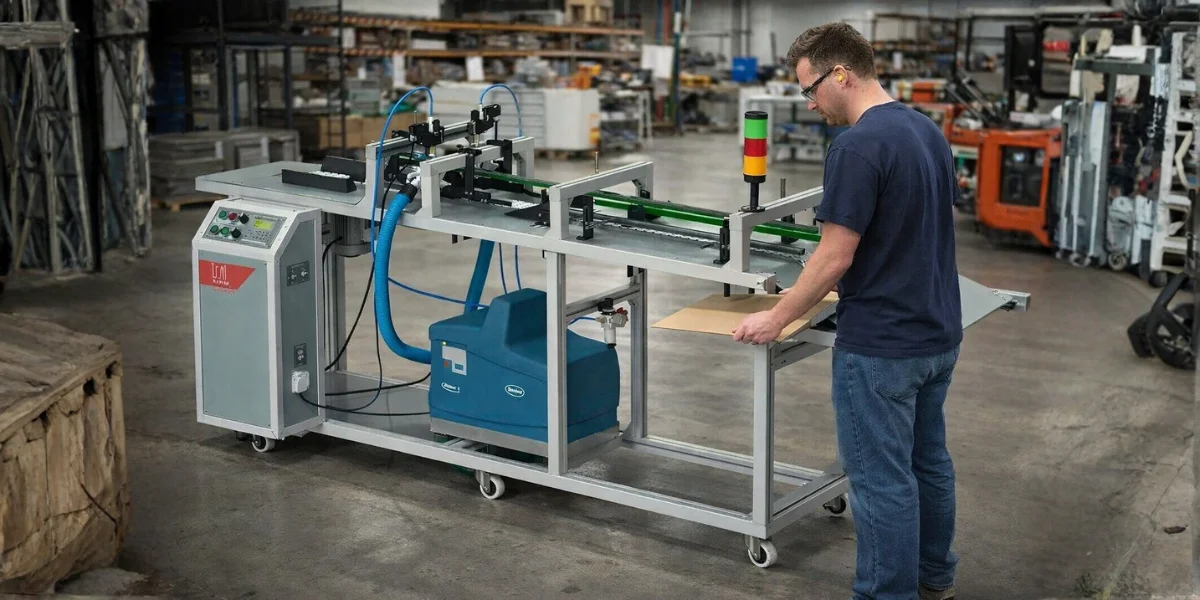
Working with the right adhesive and Hot melt dispenser equipment ensures consistent bonding performance and minimizes production downtime.
Conclusion
When asking “what materials does hot melt glue bond well with,” the answer covers a wide range of industrial and commercial materials, including paper, cardboard, wood, fabric, foam, leather, rubber, ceramics, many plastics, and even certain metals with specialized formulations.
Selecting the correct hot melt adhesive for your application is just as important as choosing the right dispensing equipment. The right combination improves bond strength, production efficiency, product quality, and overall manufacturing performance.
For businesses seeking reliable adhesive dispensing solutions, investing in high-quality hot melt systems ensures consistent application, reduced material waste, and long-term operational efficiency.
FAQ's
Hot melt glue bonds best with paper, cardboard, wood, fabric, foam, leather, rubber, many plastics, and ceramics. Specialized formulations can also bond certain metals.
Yes. It bonds well with ABS, PVC, acrylic, polycarbonate, PET, and polystyrene. Low-surface-energy plastics like PP and PE usually require specialty hot melt adhesives.
Yes. Industrial hot melt adhesives formulated for metal can bond aluminum, steel, and stainless steel for various manufacturing applications.
Standard hot melt adhesives provide some moisture resistance, but waterproof performance depends on the adhesive formulation. PUR hot melt adhesives generally offer superior water resistance.
Hot melt glue can create a permanent bond for many materials such as paper, cardboard, wood, fabric, and certain plastics. However, the durability depends on the adhesive formulation, the materials being bonded, and the environmental conditions such as heat, moisture, and load.
The best hot melt adhesive depends on the application. EVA hot melt adhesives are commonly used for packaging and bookbinding, PUR hot melt adhesives provide excellent heat and moisture resistance for woodworking, while pressure-sensitive hot melt adhesives (PSA) are ideal for labels, tapes, and hygienic products.
Yes, but only certain formulations are suitable for outdoor use. Standard hot melt adhesives may soften under high temperatures or prolonged UV exposure, whereas specialty hot melt adhesives such as PUR offer better weather, moisture, and temperature resistance for outdoor applications.
To achieve a stronger bond, ensure the surfaces are clean, dry, and free from dust or oil. Apply the adhesive at the recommended temperature, join the materials within the adhesive’s open time, and apply firm pressure until the glue cools and sets. Choosing the correct hot melt adhesive for the material is also essential for maximum bond strength.