Working safe with hot melt adhesive
Understanding and implementing best practices for working safe with hot melt adhesive is vital in both industrial and small-scale environments. Since hot melt adhesive equipment operates at elevated hot melt adhesive temperature ranges, proper insulation, thermal resistance gear, and operator training are non-negotiable. This ensures that exposure to molten adhesive doesn’t result in burns or inhalation of fumes. The characteristics of adhesives such as viscosity, open time, and setting time vary depending on formulation, making it essential to adjust handling protocols accordingly. Operators should understand the specifics of the adhesive use, especially when working around heated surfaces and pressurized applicators. Additionally, knowing the adhesive chemical formula provides insight into potential hazards like smoke emissions or skin irritation, enabling informed decisions regarding ventilation and personal protective equipment. The goal is not only operational efficiency but also minimizing health risks while maintaining equipment longevity. Regular equipment maintenance, clean working environments, and adherence to safety guidelines are foundational for successful adhesive application. With rising use of thermoplastics and automated applicators, educating teams about safety remains a cornerstone. Following safety routines designed specifically for working safe with hot melt adhesive ensures that both human resources and machinery function optimally without compromise.Safety precautions when using adhesives
Proper safety precautions when using adhesives are essential to prevent workplace injuries and maintain process integrity, particularly when handling materials like hot melt adhesive powder. In industries served by hot melt adhesive manufacturers in India, safety protocols have evolved in parallel with technological advancements, drawing from both current practices and the history of adhesives. Understanding the entire list of adhesives and their individual hazards enables safer decision-making when selecting a product for any task. The underlying adhesive chemistry often determines not just bond strength but also reactivity, flammability, and toxicity, making awareness crucial. Whether in packaging, woodworking, or electronics, working safe with hot melt adhesive starts with understanding its thermal sensitivity and the dangers of skin contact or airborne particulates. Operators should wear thermal-resistant gloves, masks, and ensure good ventilation, especially when preheating adhesives or using automated dispensers. These safety tips are fundamental in reducing burns, respiratory risks, and material waste. Training, signage, and regular audits reinforce a safety-first culture where adhesives are concerned. Ultimately, an informed team is a safe team, and as new formulations continue to emerge, staying updated with safety data sheets and usage protocols becomes indispensable.Adhesive use
Ensuring safe adhesive use starts with a deep understanding of the hot melt adhesive formulation and its behavior during the hot melt adhesive production process. Since adhesives vary in toxicity, flammability, and setting speed, even small missteps can lead to hazardous situations if not managed correctly. Selecting the right adhesive material for the task should be accompanied by full adherence to safety precautions when using adhesives, especially under high heat or pressure conditions. Safety begins with storage—keep adhesives in cool, dry environments—and extends to the application phase, where protective gear and workspace ventilation play crucial roles. Knowing how adhesives respond during use, including softening points and vapor release, allows workers to proactively minimize exposure risks. Manufacturers and applicators alike must adhere to adhesive testing standards, ensuring that materials meet not just performance but also safety benchmarks. These safety tips are particularly relevant in large-scale production settings where the margin for error is slim and consequences can be costly. A well-trained workforce, combined with accurate labeling and emergency procedures, creates a safer, more efficient working environment where adhesive applications are carried out with minimal risk and maximum control.Hot melt safety gloves
To reduce injuries and enhance workplace safety, adherence to safety precautions when using adhesives is critical, especially when dealing with thermally sensitive compounds like hot melt adhesive temperature. Workers must be equipped with hot melt safety gloves to guard against burns, as temperatures often exceed safe skin exposure thresholds. In facilities working with top hot melt adhesive manufacturers, these precautions are embedded in daily operations and supported by clear procedural guidelines. Understanding adhesives classification is essential to know whether an adhesive is flammable, reactive, or toxic, helping teams tailor appropriate handling techniques. Reviewing the list of adhesives available can help choose products that balance performance with safety for a given use case. As adhesive use expands into diverse industries, from packaging to automotive interiors, the need for comprehensive training grows. These safety tips should include proper gear, adequate ventilation, clear labeling, and emergency action plans. Heat guns, applicators, and pressurized dispensers must also be serviced regularly to avoid equipment malfunctions. By focusing on a safety-first approach, operators ensure smooth and risk-free adhesive applications. This proactive culture around working safe with hot melt adhesive ultimately safeguards personnel, equipment, and product quality in any industrial or commercial environment.Potential hazard when using sealant and adhesive
Identifying every potential hazard when using sealant and adhesive is essential to maintaining safety and operational consistency, particularly when working safe with hot melt adhesive. These adhesives often require precision-based hot melt adhesive application at high temperatures, where even a brief lapse can result in severe burns or respiratory issues. Awareness of the adhesive chemical composition helps anticipate and manage risks, particularly if fumes are released under heat or the adhesive reacts to moisture or air. Understanding adhesive use begins with an awareness of the hot melt adhesive composition, which determines its open time, set time, and toxicity. Referring to the adhesive chemical formula provided in material safety data sheets (MSDS) ensures that applicators choose the right gear and follow appropriate ventilation practices. Adopting these safety tips—from wearing gloves and goggles to ensuring clean, non-flammable workspaces—minimizes incidents in industrial or lab settings. Whether in furniture manufacturing or electronics, proper safety protocols not only protect workers but also ensure more consistent adhesive performance. Ultimately, building a culture of education and precaution allows users to fully harness the capabilities of hot melt systems while safeguarding human health and ensuring regulatory compliance with every application.Adhesive chemical reaction
Navigating the complexities of adhesive chemical reaction during application requires both technical expertise and commitment to safety, especially in the context of the hot melt adhesive manufacturing process. Workers engaged in adhesive formulation, packaging, or product assembly should undergo training in proper adhesive use, including understanding how the adhesive’s heat response and viscosity shift during activation. This helps avoid risks tied to thermal burns or chemical exposure. During handling and application, being aware of the adhesive test requirements ensures that the correct product is used under the right conditions, enhancing both performance and safety. The hot melt adhesive material must be carefully matched to its intended surface and environmental exposure factors. Whether a low-viscosity glue stick or industrial-grade hot melt system is in use, precautions around adhesive chemical reaction and temperature regulation are essential. The diversity of hot melt adhesive types—from EVA-based to polyamide or polyurethane—means that one-size-fits-all safety isn’t feasible. Every adhesive comes with its own risks, so knowing your material’s limitations is critical. Working safe with hot melt adhesive isn’t just about avoiding accidents—it’s about creating a productive, sustainable workflow where safety, innovation, and precision go hand in hand.
Hot melt adhesive is widely used across industries for bonding materials efficiently. However, handling it requires proper safety measures to prevent burns, inhalation hazards, and equipment-related accidents. Below are 10 essential safety precautions when using adhesives, specifically hot melt adhesives.
Safety is important because hot melt adhesives are applied at high temperatures and can cause burns, equipment-related injuries, or exposure to adhesive fumes if handled improperly. Following recommended safety practices helps protect workers while ensuring consistent adhesive performance.
The most common hazards include burns from molten adhesive, accidental contact with heated equipment, exposure to fumes in poorly ventilated areas, electrical hazards from adhesive applicators, and slips caused by spilled adhesive. Most of these risks can be minimized by following proper operating procedures.
Hot melt adhesive safety practices are important in industries such as packaging, corrugated box manufacturing, woodworking, furniture production, automotive, electronics, textiles, bookbinding, and product assembly. Any workplace using heated adhesive systems should implement appropriate safety measures.
Operators should be trained on adhesive handling procedures, equipment operation, temperature settings, emergency response, personal protective equipment (PPE), first aid for burns, and safe adhesive storage. Proper training helps reduce workplace accidents and improves operational efficiency.
1. Wear Protective Gear
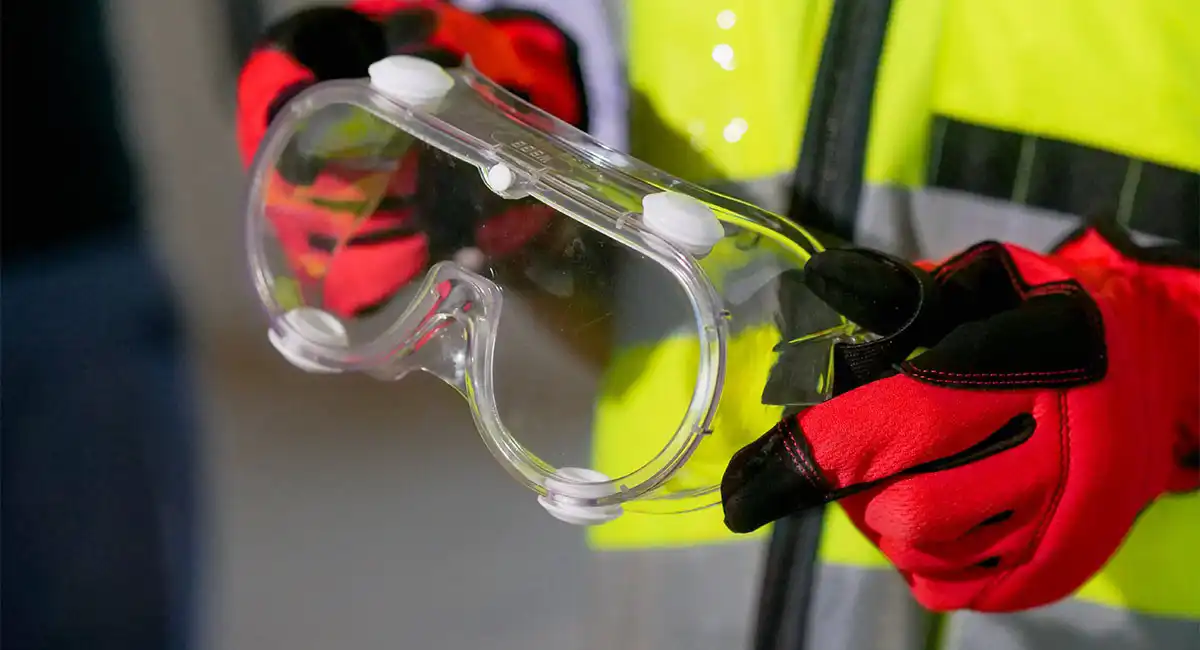
Always use heat-resistant gloves, safety goggles, and long-sleeved clothing as part of your protective clothing to safeguard your skin and eyes from accidental burns when working with hot melt adhesive. Proper protective clothing minimizes the risk of direct contact with heated adhesive and prevents injuries.
2. Maintain Proper Ventilation
Ensure adequate airflow in your workspace by using an efficient ventilation system in factory settings to prevent inhalation of fumes. This is especially important when working with adhesives that contain volatile organic compounds (VOCs) and other chemicals used in adhesives, which can pose health risks if inhaled over time. Proper ventilation helps maintain air quality and ensures a safer working environment.
3. Use the Right Equipment
Always use the appropriate hot melt adhesive applicators, such as glue guns or industrial dispensing systems, designed for the specific adhesive type. Regularly inspect and maintain equipment to ensure optimal performance and prevent malfunctions that could lead to accidents or poor bonding quality.
4. Set the Correct Temperature
Overheating hot melt adhesive can cause it to burn, release harmful fumes, or weaken its bonding strength. Always adhere to the manufacturer’s recommended melting temperature for hot glue to ensure optimal performance and safety. Proper temperature control prevents material degradation and enhances adhesive effectiveness.
5. Avoid Direct Contact with Melted Adhesive
Never touch hot adhesive directly, as it can cause severe burns. If contact occurs, immediately run cool water over the affected area and seek medical attention if necessary.
Workers should wear heat-resistant gloves, safety goggles, long-sleeved protective clothing, and closed-toe safety footwear when handling hot melt adhesives. Depending on the work environment, additional protective equipment may be required according to workplace safety guidelines.
If hot melt adhesive comes into contact with your skin, cool the affected area immediately with clean running water. Do not attempt to remove the adhesive while it is still hot. Seek medical attention if the burn is severe or covers a large area.
Proper ventilation helps remove adhesive fumes and maintain good air quality in the workplace. An effective ventilation system is especially important in enclosed manufacturing environments where hot melt adhesives are used continuously during production.
Burns can be prevented by wearing appropriate PPE, using adhesive applicators correctly, maintaining recommended operating temperatures, avoiding direct contact with molten adhesive, and following established workplace safety procedures during equipment operation.
6. Store Adhesive Properly
Keep hot melt adhesives in a dry, cool place away from direct sunlight and moisture to prevent premature degradation.
7. Handle Power Sources Safely
Ensure electrical cords and power sources for glue guns or adhesive machines are properly insulated and do not pose a tripping hazard.
Maintaining the recommended application temperature helps ensure proper adhesive flow, bonding performance, and operator safety. Excessive temperatures may damage the adhesive, generate unnecessary fumes, and increase the risk of burns or equipment issues.
Hot melt adhesives should be stored in a cool, dry location away from direct sunlight, moisture, and excessive heat. Proper storage helps preserve adhesive quality and ensures consistent performance during future applications.
Hot melt adhesives are commonly applied using glue guns, heated adhesive tanks, industrial glue dispensing systems, automatic adhesive applicators, and packaging automation equipment. The equipment should always be compatible with the adhesive and maintained according to the manufacturer’s recommendations.
Hot melt adhesive equipment should be inspected regularly as part of routine preventive maintenance. Operators should check hoses, nozzles, heating elements, electrical connections, and safety controls before production to help maintain safe operation and consistent adhesive application.
8. Dispose of Adhesive Waste Correctly
Allow used or excess adhesive to cool before disposing of it in designated waste containers to avoid fire hazards.
9. Be Cautious of Adhesive Stringing
Hot melt adhesive can create thin strings that may cause accidental contact with skin or unwanted mess on surfaces. Use proper techniques and tools to minimize stringing.
10. Understand the Characteristics of Adhesives
Different adhesives have varying properties, including viscosity, open time, and bonding strength. Understanding these characteristics helps in choosing the right adhesive and applying it safely.
By following these safety precautions when using adhesives, you can work efficiently while minimizing risks. Whether used in packaging, furniture, or automotive applications, hot melt adhesive uses are vast, making safety a priority in all applications.
Hot melt adhesive waste should be allowed to cool and solidify before disposal. Follow your local waste management regulations and company safety procedures for handling adhesive waste. Proper disposal helps reduce workplace hazards and keeps production areas clean.
Adhesive stringing occurs when fine strands of molten adhesive remain attached during application. It can be reduced by maintaining the correct adhesive temperature, adjusting dispensing settings, using the appropriate adhesive formulation, and keeping dispensing nozzles clean.
Understanding adhesive properties such as viscosity, open time, setting time, and bonding strength helps ensure the correct adhesive is selected for the application. This improves bonding performance while reducing production errors and safety risks.
Safe hot melt adhesive operations include wearing appropriate PPE, maintaining proper ventilation, using the correct application equipment, following recommended operating temperatures, performing regular equipment inspections, and training operators in safe handling procedures.
Preventive maintenance helps identify worn components, clogged nozzles, damaged hoses, and heating issues before they cause equipment failure or safety incidents. Regular maintenance also improves adhesive performance and extends equipment life.
Workplace safety requirements vary by country and industry, but they generally include proper operator training, use of personal protective equipment, equipment maintenance, electrical safety, ventilation, hazard communication, and safe handling procedures. Businesses should follow applicable local regulations and manufacturer guidelines.
Hot melt adhesive is generally safe when used correctly, but it is applied at high temperatures and can cause burns if handled improperly. Following recommended safety procedures, using appropriate protective equipment, and operating adhesive dispensing systems correctly help minimize workplace risks.
Conclusion
Working with hot melt adhesive requires careful attention to safety to prevent injuries and ensure effective application. By following these safety precautions when using adhesives, such as wearing protective clothing, maintaining a proper ventilation system in factory settings, using the right equipment, and adhering to the recommended melting temperature for hot glue, you can create a safer and more efficient workspace. Understanding the characteristics of adhesives also helps in selecting the right adhesive for your needs while minimizing risks. Prioritizing safety ensures smooth operations and enhances the longevity of both your equipment and your projects.
FAQ
Yes. Molten hot melt adhesive can cause burns if it comes into direct contact with the skin. Wearing heat-resistant gloves, using the correct application equipment, and avoiding direct contact with heated adhesive help reduce the risk of injury.
The safest way to use hot melt adhesive is to wear personal protective equipment (PPE), maintain proper ventilation, operate equipment at the recommended temperature, inspect dispensing systems regularly, and follow the manufacturer’s operating instructions.
Under normal operating conditions, hot melt adhesives produce minimal fumes. However, overheating the adhesive or working in poorly ventilated areas may increase fume exposure. Maintaining the recommended application temperature and proper ventilation helps reduce this risk.
Recommended PPE includes heat-resistant gloves, safety goggles, long-sleeved protective clothing, and closed-toe safety footwear. Additional protective equipment may be required depending on the workplace and application.
Yes. Automated glue dispensing systems reduce manual handling of hot adhesives by delivering controlled and consistent adhesive application. This helps reduce operator exposure, improve accuracy, and support safer manufacturing operations.
Mahisa Packaging Systems offers adhesive dispensing and packaging automation solutions, including the SpeedPack Pasting Machine, Felix Gluer Machine, and SmartPlot XY Plotter. These machines are designed to deliver controlled hot melt adhesive application while improving productivity and supporting safer manufacturing environments.
Yes. Mahisa Packaging Systems provides industrial adhesive dispensing solutions that automate hot melt glue application for packaging, woodworking, corrugated box manufacturing, and product assembly. Automation helps improve consistency, reduce manual intervention, and support safer production processes.
Mahisa Packaging Systems specializes in precision adhesive dispensing and packaging automation solutions that help manufacturers improve bonding accuracy, workplace safety, production efficiency, and adhesive utilization. Its systems are designed to support reliable hot melt adhesive applications across a wide range of industries.