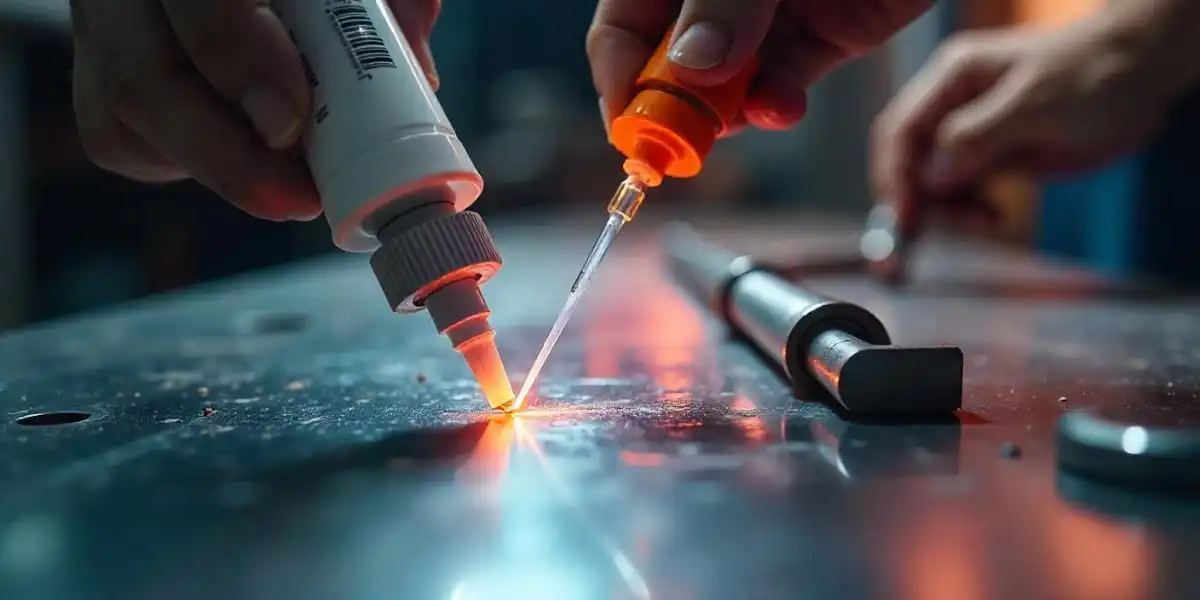
Adhesive glue for metals is a specialized bonding solution designed to create strong, durable, and long- lasting connections between metal surfaces. Unlike traditional welding or mechanical fasteners, metal fixing glue provides a seamless and efficient way to join metal components without compromising their integrity. Whether you’re working on industrial applications, automotive repairs, DIY projects, or metal fabrication, using metal to metal glue ensures high-strength adhesive bonding with resistance to heat, moisture, and vibrations. These adhesives are formulated with advanced compounds like epoxy, acrylic, or polyurethane to offer superior performance. A high-quality metal to metal adhesive eliminates the need for drilling or soldering, making it a convenient alternative for structural and decorative metal bonding. Choosing the right strong glue for metal depends on factors such as load-bearing capacity, environmental exposure, and curing time. With the right adhesive, metal bonding becomes efficient, reliable, and long-lasting for various applications.
5 Powerful Types of Glue for Strong Metal Bonding
There are several types of metal fixing glue available, each designed for specific applications and levels of strength. Here are the most common types:
1. Epoxy Glue
A two-part adhesive that provides an extremely strong and durable bond for metal to metal glue It is resistant to heat, chemicals, and moisture.
2. Polyurethane Adhesive
A flexible and impact-resistant metal to metal adhesive that expands slightly when curing, making it ideal for irregular surfaces.
3. Acrylic Adhesive
A fast-curing and strong adhesive that bonds metals quickly and efficiently, often used in industrial applications.
4. Cyanoacrylate (Super Glue)
A quick-drying strong glue for metal, best for small repairs and light- duty metal bonding.
5. Silicone-Based Adhesive
Offers flexibility and weather resistance, making it suitable for sealing and bonding metals exposed to outdoor conditions.
Choosing the right glue depends on factors like strength, durability, and environmental exposure.
How to Apply Glue on Metals for a Strong Bond
Applying metal fixing glue correctly ensures a durable and long-lasting bond. Follow these steps for the best results:
1. Clean the Surface
Remove dirt, grease, rust, or oxidation using a degreaser, sandpaper, or a wire brush. A clean surface helps the metal to metal glue adhere properly.
2. Roughen the Metal
Lightly sand the bonding areas to create texture, allowing the metal to metal adhesive to grip better.
3. Apply the Adhesive
Depending on the glue type, apply a thin, even layer on one or both surfaces. For strong glue for metal, follow the manufacturer’s instructions regarding quantity and
4. Press and Hold
Join the metal pieces together and apply steady pressure for the recommended curing time. Clamps can help secure the bond.
5. Let It Cure
Allow the adhesive to set fully before Some adhesives cure in minutes, while others need several hours for maximum strength.
Following these steps ensures a reliable and lasting metal bond.
Best Adhesive Glue for Different Types of Metals
Choosing the right adhesive for bonding metals depends on the type of metal, the required bond strength, and environmental conditions. Some metals have smooth, non-porous surfaces, while others may be more reactive or prone to oxidation. The right metal fixing glue ensures durability, resistance to heat and moisture, and a secure metal to metal adhesive bond. Below are the best glues for different types of metals:
1. Steel & Stainless Steel
Epoxy glue, acrylic adhesive, or polyurethane adhesive for strong structural bonding.
2. Aluminum
Epoxy or acrylic-based adhesive for bonding, as aluminum forms an oxide layer that needs strong adhesion.
3. Copper & Brass
Cyanoacrylate (super glue) or epoxy glue for quick bonding with good conductivity.
4. Iron & Cast Iron
Epoxy glue or polyurethane adhesive for high-strength and impact resistance.
5. Titanium
Industrial-grade epoxy for durability and temperature resistance.
6. Zinc & Galvanized Metals
Acrylic adhesives or polyurethane for flexible, corrosion-resistant bonding.
Selecting the right strong glue for metal ensures a reliable and long-lasting connection tailored to the metal’s properties.
Benefits of Applying Glue on Metals
Using adhesive bonding for metals offers several advantages over traditional methods like welding, soldering, or mechanical fasteners. Metal fixing glue provides a seamless and strong metal to metal adhesive bond while being easy to apply and resistant to environmental factors. Whether for industrial, automotive, or DIY applications, strong glue for metal ensures durability and efficiency. Below are the key benefits:
1. Stronger Bond
High-quality adhesive for bonding forms a durable, long-lasting connection without weakening the metal.
2. Even Stress Distribution
Unlike screws or rivets, glue spreads stress evenly across the bonded surface, reducing weak points.
3. Corrosion Resistance
Metal to metal glue prevents oxidation and corrosion by sealing the joint completely.
4. Lightweight Solution
Adhesives add minimal weight compared to bolts, welds, or brackets.
5. No Heat Damage
Unlike welding, glue application avoids heat distortion or damage to delicate metals.
6. Versatility
Works on various metals and mixed-material bonding (e.g., metal to plastic, glass, or wood).
7. Aesthetic Finish
No visible screws or weld marks, providing a clean, smooth appearance.
With the right adhesive, metal bonding becomes efficient, reliable, and visually seamless.
The Power of Adhesive Bonding: Best Glue Solutions for Metal Fixing
In conclusion, using hot melt adhesive and other types of adhesive for metal bonding provides a reliable, efficient, and durable solution for various applications. Whether you’re working with industrial machinery, automotive repairs, or DIY projects, choosing the right metal to metal adhesive ensures a strong bond without the need for welding or mechanical fasteners. With benefits like corrosion resistance, even stress distribution, and a seamless finish, adhesive bonding is a game-changer in metalwork. By selecting the appropriate metal fixing glue, you can achieve long-lasting results while enhancing the structural integrity of your projects.
FAQs
Adhesive glue for metals is a specialized bonding solution designed to create strong, durable, and long-lasting connections between metal surfaces. It eliminates the need for welding, drilling, or mechanical fasteners.
Metal adhesives use chemical bonding and mechanical adhesion to create a secure connection between metal surfaces. Some adhesives cure through heat, moisture, or chemical reactions for enhanced strength.
The most powerful metal adhesives include:
- Epoxy Glue – Provides high-strength, heat-resistant bonding.
- Polyurethane Adhesive – Flexible and impact-resistant.
- Acrylic Adhesive – Quick-curing and industrial-grade.
- Cyanoacrylate (Super Glue) – Fast-drying and suitable for small repairs.
- Silicone-Based Adhesive – Best for sealing and outdoor applications.
- Steel & Stainless Steel: Epoxy, acrylic, or polyurethane adhesives.
- Aluminum: Epoxy or acrylic-based adhesive.
- Copper & Brass: Cyanoacrylate (super glue) or epoxy.
- Iron & Cast Iron: Epoxy or polyurethane.
- Titanium: Industrial-grade epoxy.
- Zinc & Galvanized Metals: Acrylic or polyurethane adhesive.
- Clean the surface – Remove dirt, grease, or oxidation.
- Roughen the metal – Lightly sand the bonding area.
- Apply the adhesive – Use a thin, even layer.
- Press and hold – Secure the bond with pressure or clamps.
- Let it cure – Allow the adhesive to set fully.
Yes, high-quality metal adhesives such as epoxy and polyurethane adhesives offer excellent resistance to heat, moisture, and chemical exposure.