
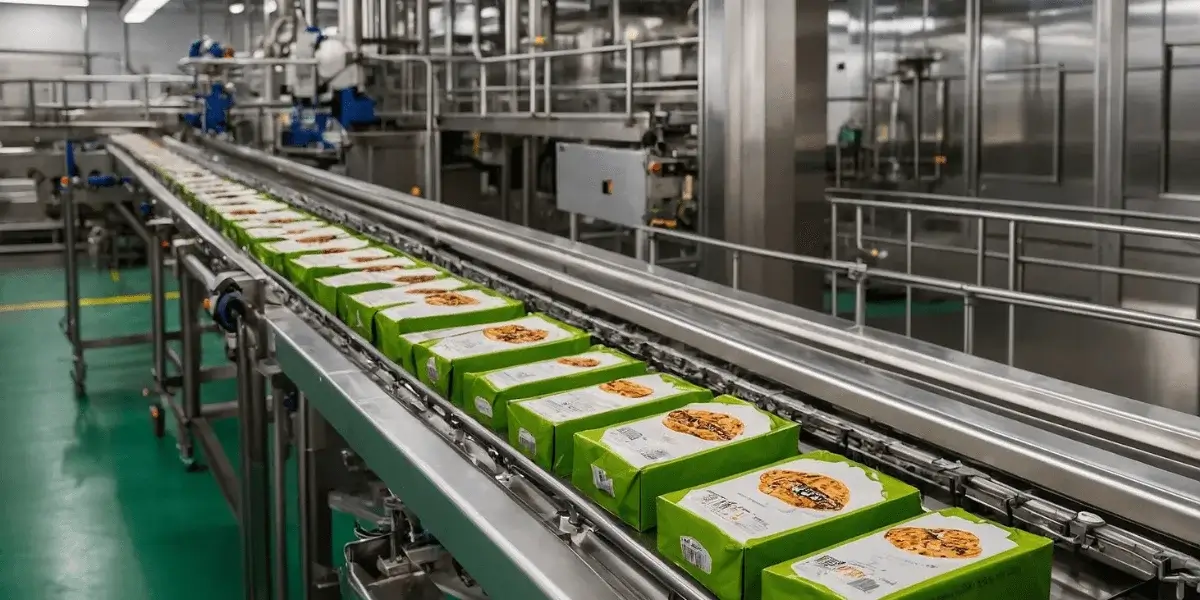
The packaging industry plays a crucial role in the food sector, ensuring product safety, freshness, and extended shelf life. As the packaging market continues to evolve, innovative solutions are being developed to meet consumer demands for convenience and sustainability. The packaging of food items serves multiple functions, including protection from contamination, ease of transportation, and brand communication.
Advanced packaging machines streamline production, enhancing efficiency and hygiene while reducing costs for manufacturers. Leading packaging companies are investing in eco-friendly materials and smart packaging technologies to improve food preservation and reduce environmental impact. The functions of
food packaging go beyond mere containment—it provides essential product information, ensures regulatory compliance, and enhances visual appeal. With growing concerns about sustainability and food safety, the industry is focusing on biodegradable materials, minimal waste designs, and smart packaging solutions that help monitor freshness, making packaging a vital element in the modern food industry.
The Vital Role of Packaging in the Food Industry: Ensuring Quality, Safety, and Sustainability
Packaging plays a vital role in the packaging industry, ensuring the safety, hygiene, and longevity of fresh food and other consumables. The packaging of food is not just about containment but also about preserving food quality, preventing contamination, and making products convenient for consumers. With advancements in technology, the packaging market has evolved, introducing innovative materials and automated packaging machines to improve efficiency and sustainability. Here are some key reasons why food packaging is essential:
1. Preserves Food Quality –
Proper packaging of food products maintains freshness, taste, and nutritional value.
2. Enhances Safety & Hygiene –
Protects food from bacteria, contaminants, and physical damage.
3. Extends Shelf Life –
Prevents spoilage and ensures longer storage periods for fresh food.
4. Facilitates Easy Transportation –
Secure packaging helps in safe handling and distribution.
5. Boosts Brand Appeal & Consumer Trust –
Attractive and informative packaging influences purchasing decisions.
6. Supports Sustainability –
The modern packaging market emphasizes eco-friendly solutions to reduce waste.
Benefits of Good Packaging in the Food Industry
In the packaging industry, high-quality packaging plays a crucial role in preserving food quality control, preventing contamination, and ensuring the longevity of food products. Effective food packaging safeguards fresh food products while reducing waste and enhancing consumer convenience. Here are some key benefits of good packaging of food:
1. Prevents Stale Food –
Proper packaging helps retain freshness and prevents spoilage, ensuring food remains safe for consumption.
2. Enhances Food Product Storage –
Well-designed food packaging material provides protection against moisture, air, and external contaminants.
3. Maintains Food Quality Control –
Sealed food packaging boxes prevent tampering and maintain hygiene.
4. Extends Shelf Life –
Effective packaging of food reduces oxidation and bacterial growth, keeping food fresh for longer.
5. Improves Convenience –
Easy-to-use packaging enhances portability and usability for consumers.
6. Supports Sustainability –
The packaging industry is shifting toward eco-friendly solutions to reduce environmental impact.
Types of Food Packaging Used in the Food Industry
The packaging of food plays a vital role in ensuring product safety, quality, and shelf life. Various types of food packaging materials and types of food packaging technology are used to meet industry standards and consumer needs. Here are the main types:
1. Flexible Packaging –
Includes plastic pouches, wraps, and films, commonly used for snacks, frozen foods, and ready-to-eat meals.
2. Rigid Packaging –
Consists of glass bottles, metal cans, and plastic containers, ideal for beverages, sauces, and canned goods.
3. Aseptic Packaging –
Utilizes sterile types of food packaging technology to store dairy products, juices, and liquid foods without refrigeration.
4. Modified Atmosphere Packaging (MAP) –
Controls oxygen levels to extend the shelf life of perishable foods like meat and vegetables.
5. Biodegradable & Sustainable Packaging –
Made from eco-friendly types of food packaging materials such as paper, cornstarch, and compostable plastics.
6. Vacuum Packaging –
Removes air to prevent bacterial growth, commonly used for meats, cheese, and dried foods.
7. Edible Packaging –
A growing trend where the packaging of food is made from edible substances like seaweed or rice paper.
Each of these packaging types helps enhance food preservation, safety, and convenience while catering to industry and consumer demands.
Types of Adhesives Used in the Food Packaging Industry
Adhesives play a crucial role in the packaging industry, ensuring secure sealing, durability, and product safety. Different types of adhesives are used depending on the packaging material and application requirements. Here are the main adhesives used in the packaging market:
1. Hot Melt Glue
A widely used adhesive in the packaging industry, offering strong bonding, quick setting, and suitability for cartons, labels, and flexible packaging.
2. Water-Based Adhesives –
Eco-friendly and safe for food applications, commonly used for paper and cardboard packaging.
3. Solvent-Based Adhesives –
Provide high durability and resistance to extreme conditions but require proper ventilation during application.
4. Pressure-Sensitive Adhesives (PSA)
Used for labels, stickers, and resealable packaging in the packaging market.
5. UV-Curable Adhesives –
Fast-drying adhesives activated by UV light, used in high-speed packaging machine manufacturers operations.
6. Polyurethane Adhesives –
Ideal for flexible and multilayer packaging due to their strong bond and flexibility.
Each adhesive type is essential in adhesives for packaging, ensuring secure seals and maintaining food safety while supporting efficiency in automated packaging machine manufacturers operations.
Forms of Food Packaging, Food Products, and Adhesives Used
Form of Packaging | Food Products | Adhesives Used |
Flexible Packaging | Snacks, frozen foods, ready meals | Hot Melt Glue, Pressure-Sensitive Adhesives |
Rigid Packaging | Beverages, sauces, canned goods | Water-Based Adhesives, Solvent- Based Adhesives |
Aseptic Packaging | Dairy products, juices, liquid foods | Polyurethane Adhesives, UV-Curable Adhesives |
Modified Atmosphere Packaging (MAP) | Meat, seafood, vegetables | Hot Melt Glue, Polyurethane Adhesives |
Biodegradable & Sustainable Packaging | Organic snacks, eco-friendly food products | Water-Based Adhesives, Starch-Based Adhesives |
Vacuum Packaging | Meat, cheese, dried foods | Hot Melt Glue, Solvent-Based Adhesives |
Edible Packaging | Ice creams, chocolates, food wraps | Natural Edible Adhesives (Gelatin, Starch) |
This table summarizes different forms of packaging for the food industry, associated food products, and suitable types of adhesives used in packaging
Conclusion
Packaging plays a vital role in the food industry, ensuring food quality, safety, and extended shelf life while enhancing convenience and sustainability. Different forms of packaging cater to various food products, with the right types of adhesives ensuring secure sealing and durability. As the packaging industry continues to evolve, innovations in materials and adhesives are driving efficiency and eco-friendly solutions. With advancements in packaging machine manufacturers and increasing demand in the packaging market, the future of food packaging is focused on safety, sustainability, and performance.
FAQs
Packaging plays a crucial role in preserving food quality, preventing contamination, extending shelf life, and ensuring safe transportation.
Common types include flexible packaging, rigid packaging, aseptic packaging, modified atmosphere packaging (MAP), biodegradable packaging, vacuum packaging, and edible packaging.
Proper packaging prevents exposure to bacteria, moisture, air, and contaminants, ensuring food remains fresh and safe for consumption.
Adhesives are essential for sealing, labeling, and bonding various packaging materials. Common types include hot melt glue, water-based adhesives, solvent-based adhesives, and pressure-sensitive adhesives.
The shift toward biodegradable materials, compostable packaging, and minimal waste designs reduces environmental impact while maintaining food safety and durability.
Aseptic packaging ensures sterilized storage for dairy, juices, and liquid foods without refrigeration, maintaining freshness for an extended period.
Automated packaging machines streamline production, ensuring faster processing, improved hygiene, and reduced material waste, benefiting both manufacturers and consumers.
Related BLOG
Follow Us