Adhesive Application Methods
Selecting the right adhesive application methods is crucial for achieving strong and durable bonds across various industries. Adhesive testing ensures compatibility with different surfaces and environmental conditions, making it an essential step in industrial applications. Automotive adhesive solutions require high-performance bonding techniques to enhance structural integrity while reducing weight. Industrial adhesive bonding techniques range from manual spreading to advanced automation, depending on the level of precision required. A precision glue application process ensures even distribution and minimizes waste, making it ideal for delicate assemblies. Spray adhesive application methods offer uniform coverage and are widely used in packaging, furniture, and automotive industries. These methods are designed for accuracy, ensuring that adhesives provide maximum adhesion with minimal excess material. From industrial manufacturing to specialized applications, precision in adhesive application plays a vital role in achieving long-lasting, high-strength bonds that withstand mechanical stress, temperature variations, and environmental exposure.Precision adhesive application
Precision adhesive application is key to achieving strong and reliable bonds in various industries. A Precision Glue Press ensures consistent glue flow and reduces material waste, making it ideal for automated manufacturing. Precision tapes and sealants provide durable bonding solutions in construction, automotive, and aerospace applications. Hot melt adhesive application is widely used for fast-setting bonds, ensuring efficiency in large-scale production. The roll coating adhesive application method is effective for applying a uniform layer of adhesive on surfaces, making it suitable for laminating and coating industries. Pressure-sensitive adhesive bonding allows for quick adhesion with minimal effort, ideal for labels, tapes, and temporary bonding applications. When working with fast-drying adhesives, Super Glue Precision application techniques help prevent overuse and ensure a secure hold. With these advanced application methods, industries can enhance durability, efficiency, and accuracy in bonding solutions for various materials and surfaces.Hot melt adhesive applicator
A hot melt adhesive applicator enables efficient bonding by applying adhesives in molten form, ensuring quick curing and strong adhesion. Precision Bonding techniques ensure even glue distribution, which is essential for high-performance applications in electronics, automotive, and aerospace industries. Automated glue dispensing systems improve efficiency by eliminating inconsistencies in manual application, reducing waste, and ensuring a precise adhesive flow. However, some applications still require manual adhesive spreading techniques, especially in specialized crafting or repair work where controlled application is needed. UV-cured adhesive application accelerates the curing process using ultraviolet light, making it an ideal choice for medical devices and electronics. For enhanced precision, an adhesive with a precision dispenser ensures that the right amount of adhesive applies to each surface, preventing excess glue from weakening the bond. These innovative adhesive application methods guarantee durability, reliability, and efficiency in a wide range of industrial and commercial applications.Glue applicator
Using the right glue applicator ensures effective bonding, whether for industrial or household use. Precision Glue Application Tips help prevent overuse and ensure that adhesives are applied in the right amount for maximum strength. In construction, high-strength adhesive application for construction plays a vital role in structural stability, replacing traditional fasteners in many applications. The cold glue application process is commonly used in woodworking and packaging industries, providing a strong bond without heat exposure. Structural adhesive bonding solutions are essential for industries that require long-lasting and durable connections, such as aerospace and transportation. For small-scale applications, a manual glue dispensing system allows for controlled adhesive placement, ensuring precise coverage. Whether using automated or manual methods, choosing the right application technique is critical for achieving strong, reliable bonds in various materials, enhancing product performance and longevity in demanding environments.Precision adhesive dispensing techniques
Precision adhesive dispensing techniques are essential for achieving strong, consistent bonds in industrial applications. Gluing techniques vary based on material type, adhesive composition, and desired bond strength. Epoxy adhesive application techniques provide durable and chemical-resistant bonding solutions for construction, marine, and automotive applications. Adhesive spray guns for precise application ensure even distribution, making them ideal for large-scale projects where uniform adhesion is required. Adhesive dispensing equipment for manufacturing improves efficiency and accuracy, reducing material waste while optimizing productivity. Hot melt gluing systems provide a quick-drying and strong bond, making them ideal for packaging, woodworking, and textile industries. These adhesive application methods enhance efficiency, durability, and reliability across different sectors, ensuring optimal bonding performance while maintaining precision and cost-effectiveness.
Adhesives play a vital role across various industries, from construction and manufacturing to crafting and DIY projects. But what exactly is adhesive application? It refers to the process of applying an adhesive to a surface to ensure a strong and lasting adhesive bond chemistry. Choosing the right method is crucial, as it directly affects adhesive strength, durability, and overall efficiency. With different types of adhesives available, using the correct adhesive bonding process ensures optimal performance for every material and application.
1. Common Adhesive Application Methods
Every adhesive bonding process requires a suitable technique for maximum efficiency. The right adhesive application method enhances adhesive strength, reduces material waste, and ensures a secure bond. Let’s explore some of the most effective application methods used across different industries.
A) Brushing & Rolling
✔ Best for: Large surfaces, wood, and paper
✔ Used with: Contact adhesives, PVA glue, wood glue
✔ Benefits: Provides a uniform spread, allows easy control, and ensures strong adhesive bonding
B) Spraying
✔ Best for: Automotive, upholstery, and large industrial applications
✔ Used with: Spray adhesives, epoxy, cyanoacrylate
✔ Benefits: Covers large areas evenly, reduces waste, and speeds up adhesive application
C) Dipping
✔ Best for: Small parts, coating applications, jewelry making
✔ Used with: Resin, epoxy, cyanoacrylate
✔ Benefits: Provides full coverage, ensures a strong bonding process, and is time-efficient
D) Bead & Dot Application
✔ Best for: Precision work, electronics, and structural bonding
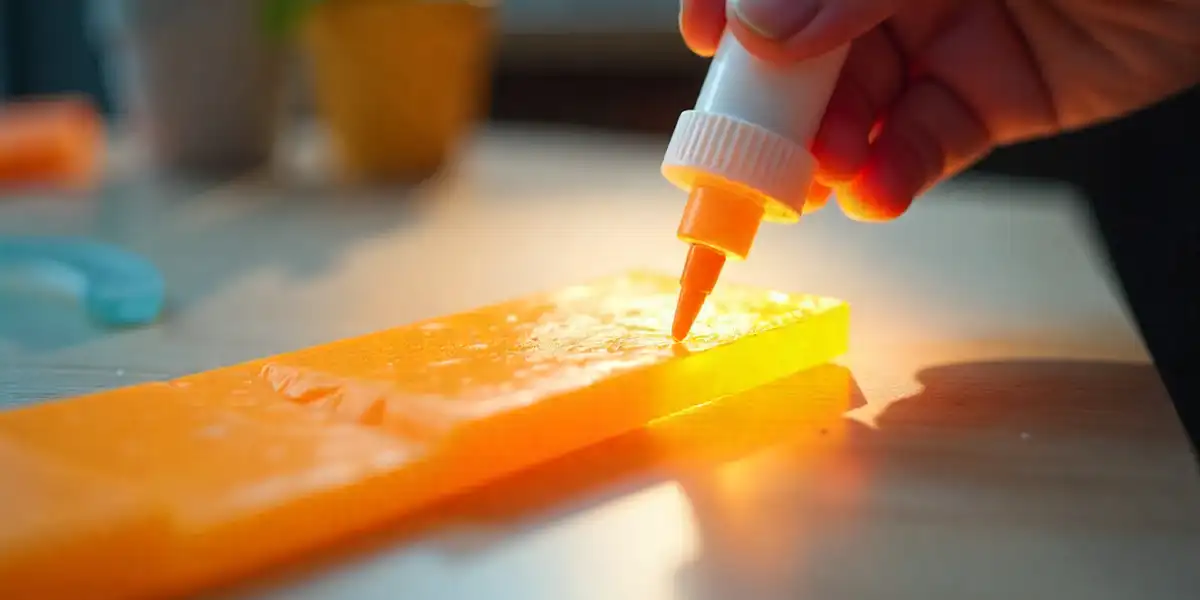
✔ Used with: Super glue, hot glue, silicone sealants
✔ Benefits: Allows precise control, minimizes waste, and is ideal for small-scale adhesion
E) Roller Coating
✔ Best for: Large-scale industrial applications, flexible materials
✔ Used with: Pressure-sensitive adhesives (PSA), laminating adhesives
✔ Benefits: Provides uniform thickness, supports high-speed adhesive application, and enhances adhesive strength
2. Choosing the Right Adhesive for Different Surfaces
Each material requires a specific adhesive bonding process for optimal results. Below is a comparison of different surfaces and their best adhesive application methods.
Surface | Best Adhesive Type | Application Method |
Wood | Wood glue, Epoxy | Brushing, Rolling, Dipping |
Metal | Epoxy, Cyanoacrylate, Contact Adhesive | Bead Application, Spraying |
Plastic | Super Glue, Polyurethane, Hot Glue | Spraying, Dot Application |
Glass | Silicone Adhesive, UV Curing Adhesive | Dot Application, Bead Application |
Fabric | Spray Adhesive, Hot Glue | Spraying, Brushing |
Concrete | Construction Adhesive, Polyurethane | Rolling, Trowel Application |
3. Key Benefits of Using the Right Adhesive Application Method
✔ Improved Bond Strength adhesive application enhances adhesive strength, ensuring long-lasting durability and resistance to environmental factors.
✔ Reduced Waste & Cost
Proper adhesive bonding process minimizes excess usage, saving on materials while maintaining superior adhesion quality.
Proper adhesive bonding process minimizes excess usage, saving on materials while maintaining superior adhesion quality.
✔ Faster Drying & Curing
Using the right types of adhesives with the correct application method accelerates drying time, improving efficiency.
Using the right types of adhesives with the correct application method accelerates drying time, improving efficiency.
✔ Aesthetic & Structural Integrity
A precise adhesive bonding process ensures a clean, professional finish without excess adhesive residue.
A precise adhesive bonding process ensures a clean, professional finish without excess adhesive residue.
Final Thoughts
Understanding adhesive application methods allows you to choose the right types of adhesives and techniques for different surfaces. Whether bonding wood, metal, plastic, or fabric, using the proper bonding process enhances adhesive strength and longevity. Selecting the best adhesive chemistry and application method ensures superior adhesion, efficiency, and durability. To achieve the best results, always match the adhesive type with the appropriate bonding technique.
FAQs
Adhesive application refers to the process of applying an adhesive to a surface to create a strong bond. It is essential for ensuring adhesive strength, durability, and efficiency across various industries.
Common adhesive application methods include brushing & rolling, spraying, dipping, bead & dot application, and roller coating, each suited for different materials and use cases.
Brushing, rolling, and spraying are ideal for large surfaces as they ensure uniform adhesive distribution and reduce material waste.
Using the correct adhesive for a specific surface, such as wood glue for wood or epoxy for metal, maximizes bonding strength and durability.
Spray adhesives provide even coverage, reduce application time, and minimize material waste, making them ideal for upholstery, automotive, and industrial use.
Bead & dot application works best for precision work, such as electronics and small-scale structural bonding, allowing for controlled adhesive placement.
Roller coating is an adhesive application method used in large-scale industrial applications, ensuring uniform thickness and high-speed processing.
The right method depends on the material’s properties brushing for wood, spraying for fabric, dot application for glass, and rolling for flexible materials.
Yes, incorrect application can lead to weak adhesion, uneven bonding, longer drying times, and poor structural integrity.
The right process improves bond strength, reduces waste and cost, speeds up drying time, and enhances both aesthetic and structural integrity.