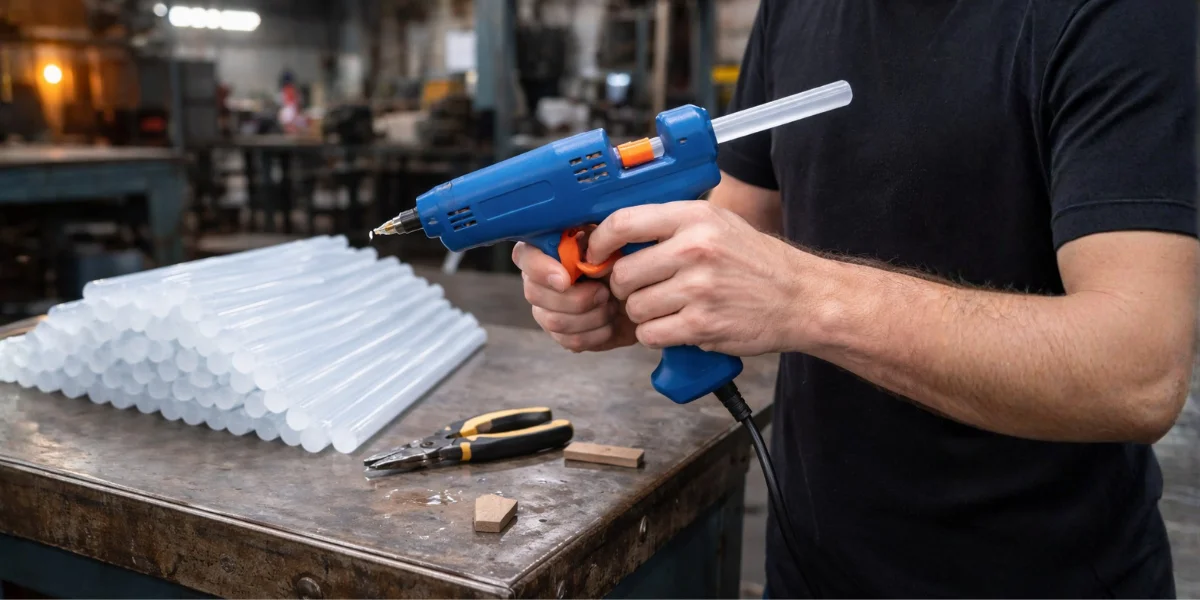
Industrial Hot Melt Packaging Adhesive

Choosing a high-performance industrial hot melt packaging adhesive solution is essential for modern line efficiency. As the hot melt adhesives market expands, businesses rely on top-tier hot melt adhesive manufacturers to provide stable, fast-setting solutions. By optimizing the hot melt manufacturing process, these specialized Packaging Adhesives offer superior bond strength compared to traditional pressure-sensitive tape. Integrating an industrial hot melt glue into your workflow ensures that your production lines run at peak speed, utilizing advanced Hot Melt Adhesive Application Equipment for precise, waste-free bonds.

Types of Hot Melt Packaging Adhesives

Understanding the various categories of Packaging Adhesives is the first step toward operational success. The hot melt adhesives market offers diverse chemistries like EVA, Polyolefin, and Metallocene to suit different substrates. Each industrial hot melt glue type undergoes a rigorous hot melt manufacturing process to ensure high thermal stability and consistent viscosity. Whether you are sealing standard corrugated cartons or using specialized Hot Melt Adhesive for Packaging for high-recycled content stocks, selecting the right chemistry prevents nozzle charring. This diversity allows a Packaging Machine Manufacturer to customize setups for specific industrial demands.

Hot Melt Adhesive for Packaging

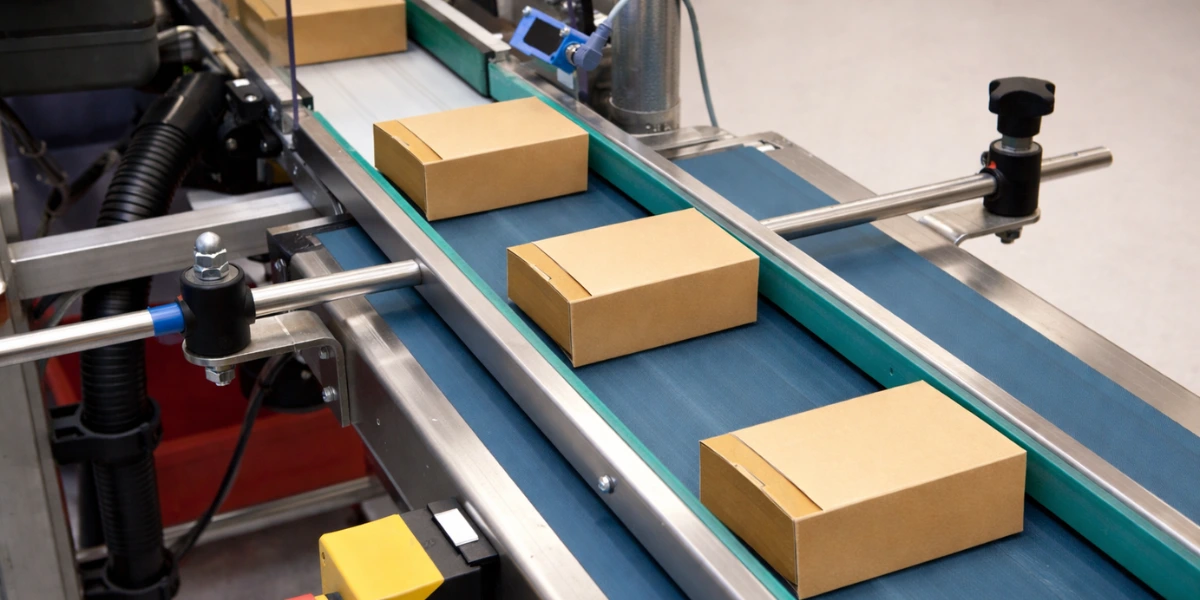
The use of Hot Melt Adhesive for Packaging has revolutionized end-of-line security and aesthetic appeal. Unlike traditional methods, this industrial hot melt packaging adhesive solution creates a clean, professional finish without the messy overlap of plastic tapes. Because modern production demands high-speed results, Hot Melt Adhesive Glue is formulated for near-instant “green strength.” Every leading Packaging Machine Manufacturer now prioritizes compatibility with these systems. By choosing a high-quality resin, you benefit from a refined bond that remains stable across a wide range of shipping temperatures.

Hot Melt Adhesive Uses

Beyond simple box sealing, Hot Melt Adhesive Uses span across tray forming, labeling, and pallet stabilization. These versatile materials are prized for their ability to bond to non-porous surfaces like plastics and coatings. A technical partner or consultant will often recommend specific Hot Melt Adhesive Application Equipment to handle the unique viscosity of Hot Melt Adhesive for Packaging. Whether you are working with food-grade containers or heavy-duty shipping crates, the right bond ensures reliability. These systems remain the most cost-effective choice for global hot melt adhesive manufacturers looking to provide a comprehensive sealing strategy.
Industrial Hot Melt Packaging Adhesive, Types of Hot Melt Packaging Adhesives, Hot Melt Adhesive for Packaging, Hot Melt Adhesive Uses, Mahisa Packaging

The Ultimate Guide to Industrial Hot Melt Packaging Adhesives

The Ultimate Guide to Industrial Hot Melt Packaging Adhesives
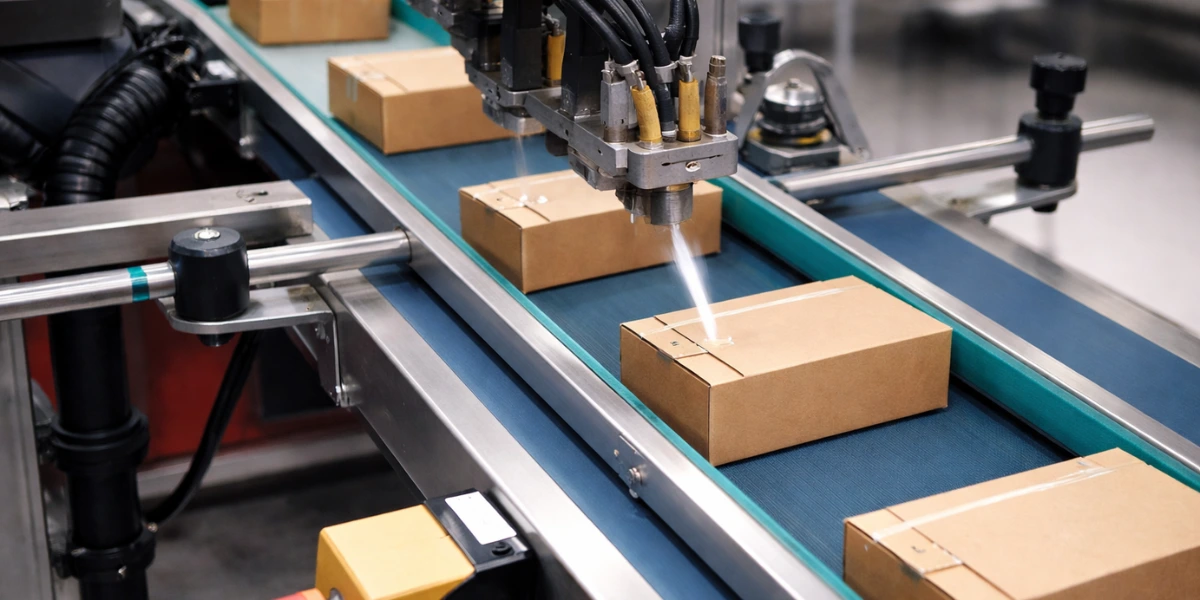
In the competitive landscape of modern manufacturing, efficiency is no longer just a goal, it’s a requirement. For high-speed production lines, the choice of sealant can make or break operational throughput. Industrial hot melt packaging adhesive solutions have emerged as the gold standard for businesses looking to optimize their end-of-line processes.
As the global hot melt adhesives market is projected to grow to over $16 billion by the end of 2026, companies are increasingly moving away from traditional tape and liquid glue. This guide explores the strategic advantages of Hot Melt Adhesive for Packaging, the role of hot melt adhesive manufacturers, and how to select the right industrial hot melt glue for your facility.

What is an Industrial Hot Melt Packaging Adhesive?

Industrial Hot Melt Packaging Adhesive, Types of Hot Melt Packaging Adhesives, Hot Melt Adhesive for Packaging, Hot Melt Adhesive Uses, Mahisa Packaging
An industrial hot melt adhesive is a 100% solid, thermoplastic resin that becomes fluid when heated and sets rapidly upon cooling. Unlike water-based or solvent-based Packaging Adhesives, hot melts do not require drying time. Instead, they form a fiber-tearing bond in seconds, making them ideal for automated, high-volume packaging environments.

Why It's the Preferred Solution in 2026

As we move further into 2026, the focus on sustainability and automation has intensified. Hot Melt Adhesive Glue aligns perfectly with these trends by:
1. Eliminating VOCs:
They are solvent-free and environmentally friendly.
2. Reducing Waste:
Precise application ensures only the necessary amount of industrial hot melt glue is used.
3. Enhancing Speed:
Fast set times allow machines to run at maximum PPM (parts per minute) without the risk of “pop-opens.”

An industrial hot melt packaging adhesive is a thermoplastic adhesive that melts when heated and bonds instantly as it cools. It is widely used for carton sealing, case packing, tray forming, and automated packaging because it provides fast bonding, high strength, and reliable performance.

Hot Melt Adhesive for Packaging creates a stronger, tamper-evident bond than tape while reducing packaging costs. It also supports faster production speeds, lowers material consumption, minimizes waste, and improves the appearance of sealed cartons.

Industrial hot melt glue is widely used in:

  1. Food and beverage packaging
  2. Pharmaceutical packaging
  3. E-commerce fulfillment
  4. FMCG manufacturing
  5. Electronics packaging
  6. Logistics and warehousing

Its fast-setting properties make it ideal for high-speed automated production lines.

Choose a Hot Melt Adhesive Glue based on:

  1. Packaging material (corrugated, coated, recycled, or laminated)
  2. Production line speed
  3. Storage temperature
  4. Product weight
  5. Required bond strength

Working with experienced hot melt adhesive manufacturers ensures you select the best formulation for your application.

Key Types of Hot Melt Packaging Adhesives

Adhesive Type

Primary Use Case

Key Benefits

EVA (Ethylene Vinyl Acetate)

Standard corrugated boxes Versatile, cost-effective, and the most common

Hot Melt Adhesive Glue

Metallocene Polyolefin

High-speed lines & coated stocks

High thermal stability, low odor, and prevents nozzle charring.

PUR (Polyurethane)

Heavy-duty or high-stress bonds

Excellent heat and chemical resistance; moisture-curing properties.

Pressure Sensitive (PSA)

Labels and resealable packs

Remains "tacky" at room temperature; ideal for Hot Melt Adhesive Uses like tapes.

Selecting the right formulation depends on your substrate and the environmental conditions the package will face. Leading hot melt adhesive manufacturers typically offer these core varieties:

The most common Types of Hot Melt Packaging Adhesives include:

1. EVA for general carton sealing
2. Metallocene for high-speed packaging lines
3. PUR for heavy-duty bonding
4. Pressure Sensitive Adhesives (PSA) for labels and resealable packaging

Each type is designed for different packaging requirements and operating conditions.

An industrial hot melt adhesive system typically includes:

1. Glue melter
2. Heated hoses
3. Applicator guns
4. Spray or bead nozzles
5. Automated dispensing controls

Modern Hot Melt Adhesive Application Equipment ensures consistent glue application, minimal downtime, and improved production efficiency.

Yes. Many modern Packaging Adhesives are specifically formulated to bond recycled corrugated materials. Manufacturers often recommend metallocene or specialty formulations for recycled, coated, or difficult-to-bond substrates.

Strategic Benefits for High-Speed Production

1. Significant Cost Savings and Efficiency

While the initial investment in Hot Melt Adhesive Application Equipment is higher than that of a tape dispenser, the Total Cost of Ownership (TCO) is significantly lower. Using Hot Melt Adhesive for Packaging typically costs 60% to 80% less than tape per sealed unit. Furthermore, hot melt allows for shorter “minor flaps” on boxes, which can reduce corrugated material costs by up to 15%.

2. Superior Bond Integrity and Security

Unlike tape, which sits on the surface, hot melt penetrates the fibers of the substrate during the hot melt manufacturing process. This creates a “tamper-evident” seal; any attempt to open the box results in a visible fiber tear. This is critical for sectors like pharmaceuticals and food and beverage, where product security is paramount.

3. Reduced Maintenance and Downtime

Modern metallocene-based adhesives are designed for thermal stability. This means the glue won’t “char” or burn inside the tank, which is the leading cause of clogged nozzles in Hot Melt Adhesive Application Equipment. In 2026, “tankless” systems further reduce start-up times to under 10 minutes, keeping production lines moving.

Using Hot Melt Adhesive for Packaging offers several advantages:

1. Faster production speeds
2. Stronger carton sealing
3. Lower adhesive consumption
4. Reduced machine downtime
5. Cleaner application
6. Better product security
7. Lower overall packaging costs

These benefits make hot melt adhesives the preferred solution for modern automated packaging.

When the correct adhesive is selected, industrial hot melt packaging adhesive forms durable bonds that can withstand transportation, storage, temperature changes, and handling. Bond life depends on the adhesive formulation, packaging material, and environmental conditions.

Mahisa Packaging provides reliable hot melt adhesive solutions, advanced dispensing systems, and expert support for automated packaging lines. Their solutions are designed to improve production efficiency, reduce adhesive waste, deliver consistent bonding performance, and support a wide range of industrial packaging applications.

Hot Melt Adhesive Uses and Market Trends

The hot melt adhesives market is diversifying rapidly as new Hot Melt Adhesive Uses emerge:
1. Food & Beverage:
Used for tray forming and case sealing. Specific formulations are designed to withstand deep-freeze temperatures (down to -40°C).
2. E-commerce & Logistics:
Provides the strength needed for heavy shipping containers while maintaining a clean, professional aesthetic.
3. Electronics:
Low-pressure molding and specialized Hot Melt Adhesive Glue protect delicate components from moisture and vibration.
Any high-tier Packaging Machine Manufacturer now integrates these systems directly into their equipment to ensure compatibility with various Packaging Adhesives.

How To Choose The Right Industrial Hot Melt Packaging Adhesive Solution

To find the perfect industrial hot melt packaging adhesive solution, consider these three factors:

Substrate Surface Energy

Is your cardboard recycled? Is it coated with wax or UV varnish? Recycled fibers often require a more aggressive adhesive, while coated surfaces may need specialized metallocene or PUR to “bite” into the surface.

Environmental Exposure

Will the package be stored in a hot warehouse or a refrigerated truck?
1. For Heat:
Choose an adhesive with a high SAFT (Shear Adhesion Failure Temperature).
2. For Cold:
Look for high flexibility to prevent the bond from shattering.

Line Speed and Open Time

“Open time” is the window between applying the glue and the bond setting. For high-speed automated lines, you want a “fast-set” adhesive. For manual applications where an operator might need to align the box flaps, a “long-open” time is necessary.

The Hot Melt Manufacturing Process: A Quick Overview

The hot melt manufacturing process involves precisely blending polymers, resins, and waxes to achieve specific viscosities and melting points. Quality control is essential to ensure that every batch of Packaging Adhesives performs consistently under the intense heat of industrial melters.

Summary: The Future is Hot Melt

As industrial automation continues to evolve, the move toward industrial hot melt packaging adhesive solutions is no longer optional for companies seeking a competitive edge. By reducing material waste, increasing line speeds, and providing a more secure seal, hot melt is the engine driving modern packaging efficiency.

FAQ's

Industrial hot melt packaging adhesives are widely used in food and beverage, pharmaceuticals, e-commerce, FMCG, cosmetics, consumer goods, logistics, electronics, and corrugated box manufacturing. They provide fast, durable bonding for automated packaging lines.

Most industrial hot melt packaging adhesives have a shelf life of 12 to 24 months when stored in a cool, dry environment away from direct sunlight and excessive moisture. Always follow the manufacturer’s storage recommendations.

Yes. Different formulations are designed for various environments. Some hot melt adhesives perform well in refrigerated and frozen storage, while others are engineered to maintain strong bonds in high-temperature warehouse and transportation conditions.

The right industrial hot melt packaging adhesive depends on your packaging material, production speed, product weight, storage environment, shipping conditions, and the type of packaging equipment used. Consulting an experienced adhesive supplier helps ensure the best performance.

Yes. Industrial hot melt packaging adhesives are specifically designed for automated packaging systems, delivering precise application, consistent bonding, high production speeds, and minimal machine downtime.

Most industrial hot melt packaging adhesives are applied between 160°C and 180°C, although the recommended temperature varies depending on the adhesive formulation and manufacturer specifications.

Industrial hot melt packaging adhesives offer faster bonding, lower VOC emissions, cleaner application, reduced drying time, lower maintenance, and improved production efficiency compared to many solvent-based packaging adhesives, making them ideal for modern manufacturing.