How Do Hot Melt Adhesives Work?

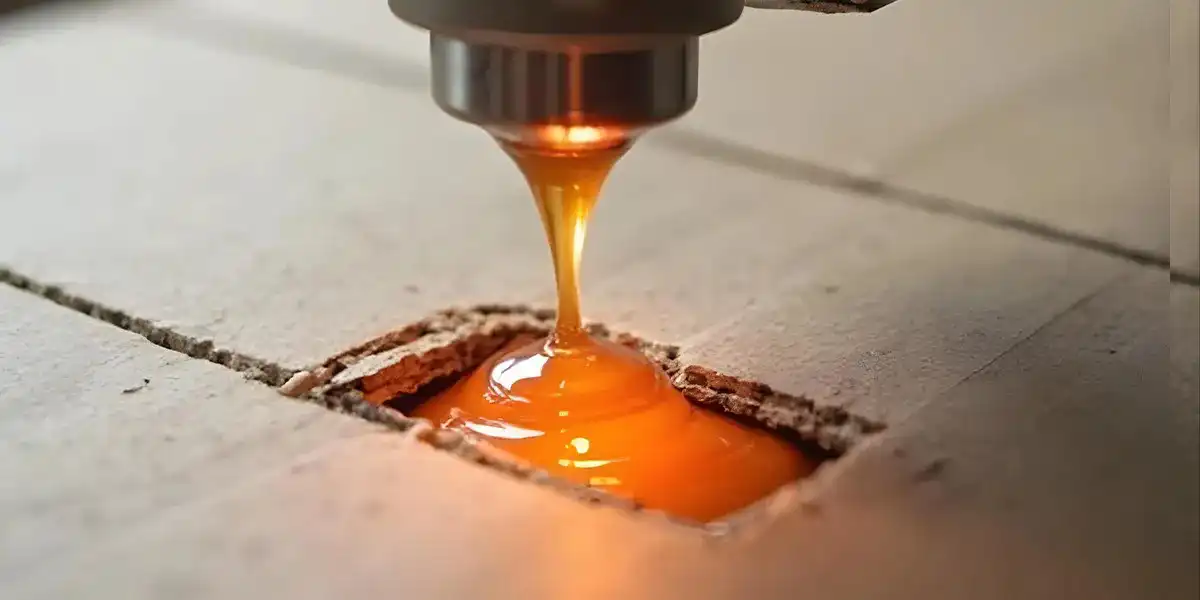
Understanding how do hot melt adhesives work starts with their thermoplastic nature. These materials are 100% solid at room temperature and transition into a liquid state when heat is applied. Once molten, the glue is dispensed onto a substrate where it quickly sheds thermal energy. This rapid cooling allows the polymer chains to lock together, creating a functional bond in seconds. Unlike water-based options, these hot melt adhesives do not require drying time, making them ideal for high-speed industrial environments.

Adhesive Bonding Process

The adhesive bonding process is a multi-stage thermal cycle designed to create a lasting structural or surface connection. It begins with liquefaction in a melting tank, followed by the “wetting” phase where the liquid penetrates the material’s surface profile. For a successful bond, the parts must be mated during the “open time” before the glue solidifies. This transition from liquid to solid creates a mechanical interlocking bond that can resist moisture and varying temperatures depending on the specific formula used.

Hot Melt Adhesive Applications

Industrial hot melt adhesive applications are incredibly diverse, spanning from simple cardboard packaging to complex automotive assemblies. You will find these glues sealing cereal boxes, stabilizing pallets, and labeling plastic bottles. In the textile industry, they are used for mattress construction and carpet secondary backings. Because they set so quickly, they are the preferred choice for bookbinding and woodworking, where immediate handling strength is required to keep production lines moving without the need for mechanical fasteners or long curing racks.

Types Of Hot Melt Adhesives

There are several distinct types of hot melt adhesives, each engineered for specific environmental stresses. Ethylene-Vinyl Acetate (EVA) is the most common for general packaging due to its cost-effectiveness. For more demanding tasks, Polyolefin offers superior heat resistance, while Polyamides excel in high-performance automotive settings. Additionally, Reactive Polyurethanes (PUR) represent advanced types of adhesives that undergo a secondary chemical cross-linking with atmospheric moisture, resulting in an irreversible bond that cannot be re-melted once it has fully cured.
Adhesive Application Methods
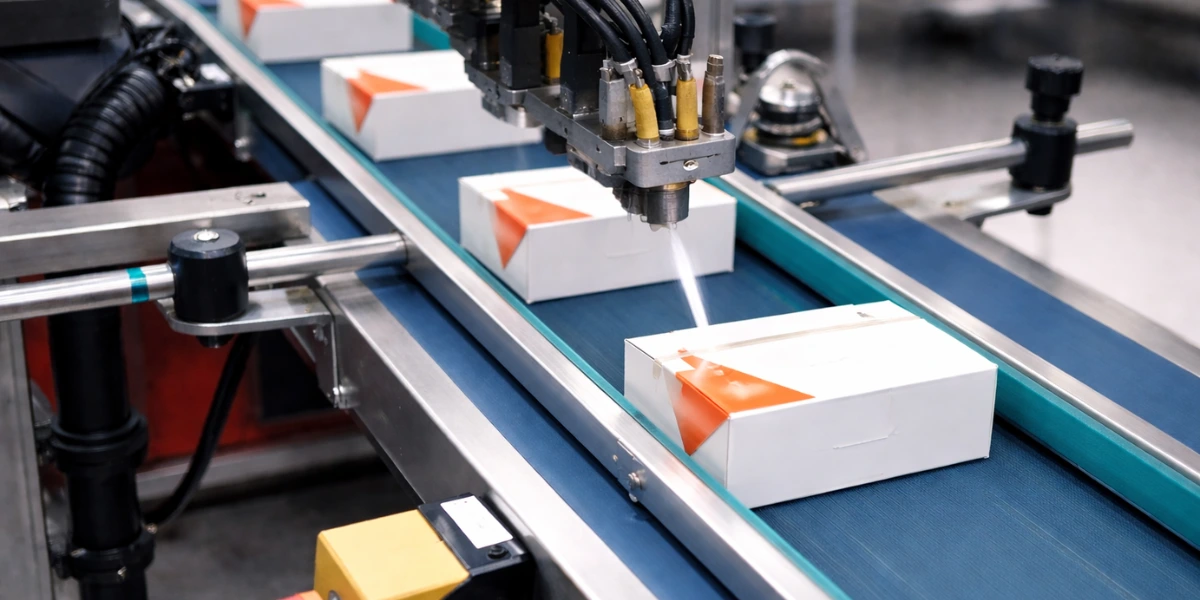
Choosing the right adhesive application methods is vital for ensuring bond integrity and material efficiency. Common techniques include bead or dot extrusion for precise placement on box flaps, and spray or swirl patterns for covering large areas like foam or fabric. For manufacturing labels, slot die coating is used to apply a uniform film. Each hot melt adhesive application method is calibrated based on the substrate’s heat sensitivity and the required bond strength, ensuring the glue is distributed perfectly every time.
How Do Hot Melt Adhesives Work, Types Of Hot Melt Adhesives, Hot Melt Adhesive Applications, Adhesive Application Methods, Adhesive Bonding Process, Mahisa Packaging

How Do Hot Melt Adhesives Work? A Comprehensive Guide to Industrial Bonding

How Do Hot Melt Adhesives Work? A Comprehensive Guide to Industrial Bonding
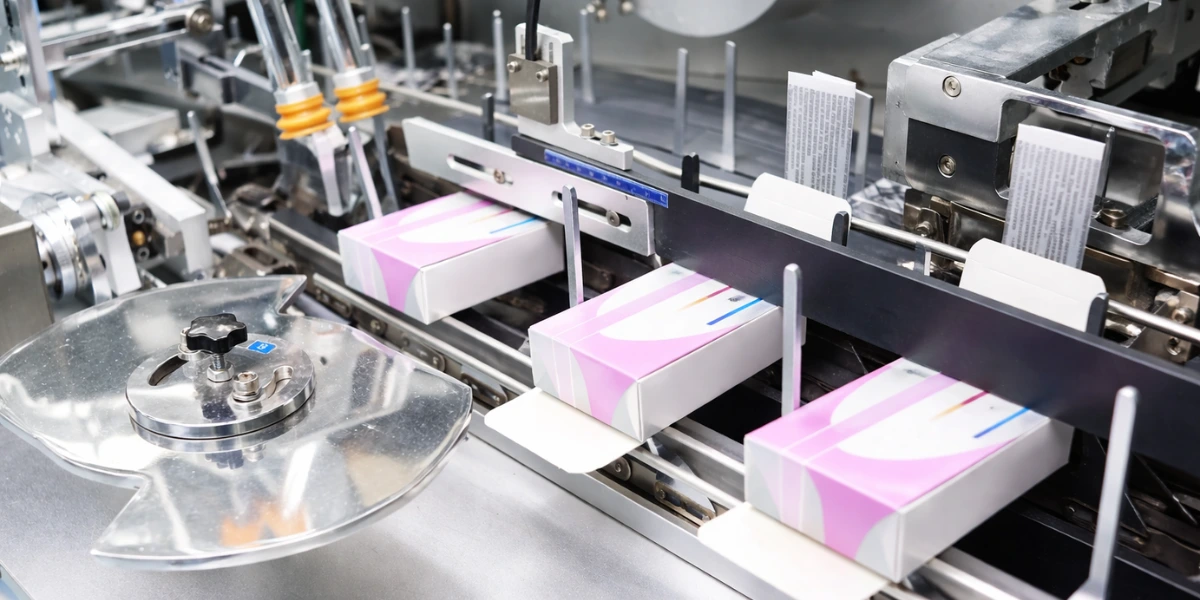
Hot melt adhesives (HMAs) are the unsung heroes of the modern world. From the cereal box in your pantry to the interior trim of your car, these versatile adhesives provide fast, durable, and cost-effective bonding solutions. But have you ever wondered about the science behind that glue gun or industrial applicator?
In this guide, we’ll break down exactly how hot melt adhesives work, the chemistry that makes them effective, and why they are the preferred choice for industries worldwide.

What Are Hot Melt Adhesives?

At its simplest, a hot melt adhesive is a thermoplastic polymer that is solid at room temperature but becomes a fluid when heated. Unlike traditional “white glues” or solvent-based adhesives, hot melts do not require water or chemicals to evaporate to create a bond. Instead, they rely on thermal energy to change states.

How Hot Melts Work

How Do Hot Melt Adhesives Work, Types Of Hot Melt Adhesives, Hot Melt Adhesive Applications, Adhesive Application Methods, Adhesive Bonding Process, Mahisa Packaging
Hot melt adhesives work through a process of thermal liquefaction and solidification. The solid adhesive is heated until it reaches its melting point, applied to a surface in liquid form, and then cools rapidly. As it loses heat, it reverts to a solid state, creating a strong mechanical and chemical bond between the substrates within seconds.

The 5-Step Adhesive Bonding Process

The effectiveness of adhesives for bonding depends on a precise sequence of events. If any step is missed, the bond often called the “glue line” may fail.
1. Melting and Liquefaction:
The process begins in a hot melt tank or glue gun, where solid pellets, sticks, or blocks are heated until they reach a flowable viscosity.
2. Surface Wetting:
Once applied, the liquid adhesive must “wet” the substrate. Wetting is the adhesive’s ability to maintain intimate contact with a solid surface, flowing into microscopic pores to create a mechanical anchor.
3. The Open Time:
This is the critical window between application and solidification. The two surfaces must be joined while the adhesive is still molten enough to wet the second substrate.
4. Mating and Compression:
The substrates are pressed together. This pressure ensures the adhesive spreads evenly, eliminates air pockets, and maximizes the contact area.
5. Solidification (The Set):
As the adhesive loses heat to the material and the air, it “sets.” For most hot melts, this happens in 1 to 5 seconds, providing near-instant handling strength.

Professional Adhesive Application Methods

In industrial settings, the method used to apply the glue is just as important as the glue itself. Different adhesive application methods are chosen based on the speed of the production line and the shape of the product.
1. Bead and Dot Extrusion:
The most common method, where a nozzle dispenses a continuous line (bead) or individual droplets (dots). This is standard for sealing cardboard boxes.
2. Spray and Swirl:
The adhesive is atomized or moved by air into a “swirl” pattern. This is ideal for heat-sensitive materials (like foam) because it covers a large area with less total heat.
3. Roll Coating:
Large rollers are used to apply a thin, even layer of adhesive over wide surfaces. This is common in woodworking and fabric lamination.
4. Slot Die Coating:
The adhesive is pushed through a narrow slot to create a perfectly uniform film. This is the preferred method for manufacturing self-adhesive labels and tapes.

The Chemistry: What is Inside a Hot Melt?

Hot melt adhesives aren’t just melted plastic; they are carefully engineered “cocktails” of three primary components:
1. Polymers (The Backbone):
This provides the strength and flexibility. Common polymers include Ethylene-Vinyl Acetate (EVA), Polyolefins, and Polyurethanes (PUR).
2. Resins/Tackifiers:
These control the “stickiness” or tack of the adhesive, ensuring it grabs onto the surface immediately.
3. Waxes:
Wax controls the viscosity (how it flows) and the setting speed. It ensures the glue doesn’t get too “stringy” during application.
4. Antioxidants:
These prevent the glue from charring or breaking down while sitting at high temperatures in a melting tank.

Types of Hot Melt Adhesives

Type

Best For

Key Characteristic

EVA (Ethylene-Vinyl Acetate)

Paper, Cardboard, Wood

Most common; versatile and affordable.

Polyolefin (Metallocene)

Plastics, Difficult substrates

High heat resistance and clean-running.

Polyamide

Automotive, Electronics

High-performance; withstands extreme temperatures.

PUR (Polyurethane)

Construction, Bookbinding

Moisture-curing; creates an irreversible, permanent bond.

Different projects require different chemical properties. Here are the most common types of hot melt adhesives used in industry today:

Why Use Hot Melts?

Why do manufacturers choose hot melt over liquid glues or mechanical fasteners like screws?
1. Instant Bond:
Because they set by cooling rather than drying, production lines can move at lightning speeds.
2. Long Shelf Life:
In their solid state, hot melts can be stored for years without losing effectiveness.
3. Eco-Friendly:
Most hot melts contain no Volatile Organic Compounds (VOCs), making them safer for the environment and workers.
4.Gap Filling:
Because they are thick and 100% solid, they are excellent at filling gaps between uneven surfaces.

Why Choose Hot Melts for Bonding?

1. Speed:
Near-instant bonding increases production line “throughput.”
2. Versatility:
They can bond porous (wood, paper) and non-porous (plastic, metal) materials.
3. Stability:
Unlike liquid glues, they won’t freeze in storage and have a virtually unlimited shelf life.
4. Cleanliness:
No water or solvents means no messy drying racks or environmental hazards.

Common Hot Melt Adhesive Applications

You likely interact with hot melt technology dozens of times a day without knowing it. The most common Hot Melt Adhesive Applications are :
1. Packaging:
Sealing shipping boxes and food cartons (like cereal or frozen pizza).
2. Product Assembly:
Gluing foam in mattresses or attaching fabric to office chairs.
3. Labeling:
Attaching paper labels to plastic soda bottles.
4. Bookbinding:
The “spine” of a paperback book is often held together by a PUR hot melt.

Critical Success Factors: The "Three Ts" of Adhesive Bonding

To get the perfect Adhesive Bonding, operators must manage three variables:
1. Temperature:
If the glue is too cold, it won’t wet the surface (cold bond). If it’s too hot, it may char or damage the material.
2. Time:
You must join the materials while the glue is still in its “open” phase.
3. Thickness:
Applying too much glue takes longer to cool; applying too little may cause the bond to fail prematurely.

Summary: The Future of Hot Melts

As sustainability becomes a priority, the industry is moving toward bio-based hot melts and formulas that allow for easier recycling of cardboard and plastic. Understanding how hot melt adhesives work is the first step in choosing the right solution for your manufacturing or DIY needs.
By harnessing the power of thermoplastic polymers, hot melts provide a fast, clean, and incredibly strong way to hold our world together.

FAQ's

How do hot melt adhesives work?

Hot melt adhesives work through a process called thermal liquefaction and solidification. The adhesive is heated until it becomes a liquid, applied to a substrate, and then cools rapidly. As it loses heat, it reverts to a solid state, creating a strong mechanical and chemical bond within seconds.

What are the main components of hot melt adhesives?

Most hot melts are formulated from three primary components: polymers for strength and flexibility, tackifiers (resins) for immediate surface "grab," and waxes to control the set speed and flow. Some formulas also include antioxidants to prevent the glue from degrading at high temperatures.

What is the typical "open time" for hot melt adhesives?

The open time is the window between applying the glue and the point where it becomes too cool to bond. For industrial hot melts, this typically ranges from 1 to 60 seconds, though specialty "pressure-sensitive" formulas can remain tacky for much longer.

What is the typical "open time" for hot melt adhesives?

The open time is the window between applying the glue and the point where it becomes too cool to bond. For industrial hot melts, this typically ranges from 1 to 60 seconds, though specialty "pressure-sensitive" formulas can remain tacky for much longer.

Are hot melt adhesives permanent?

Most hot melt adhesives provide a permanent bond for packaging and assembly. However, because they are thermoplastic, they can be re-melted if exposed to extreme heat. For a truly irreversible bond, manufacturers use PUR (Polyurethane) hot melts, which undergo a chemical cross-linking process as they cure.

What materials can you bond with hot melt?

Hot melts are incredibly versatile and can bond both porous and non-porous materials, including cardboard, paper, wood, plastics (like PET and PVC), fabrics, and even light metals. Selecting the correct polymer type is essential for difficult-to-bond surfaces like low-energy plastics.

Do hot melt adhesives contain toxic solvents?

No. One of the primary benefits of hot melt adhesives is that they are 100% solid and contain zero Volatile Organic Compounds (VOCs). This makes them more eco-friendly and safer for workers compared to solvent-based or liquid adhesives that release fumes during the drying process.

Which adhesive application method is best for high-speed production?

For high-speed lines, bead or dot extrusion is the most common method as it allows for precise, rapid firing of glue onto moving parts. For heat-sensitive or large-surface areas, the spray or swirl method is preferred because it covers more space with less concentrated heat.