When it comes to plastic bonding adhesive, achieving a strong and durable bond requires the right hot melt adhesive. Whether you’re working in packaging, automotive, or product assembly, using a high-quality adhesive for plastic ensures reliable performance. These adhesives offer excellent adhesive strength, quick curing times, and seamless application with a glue dispenser, making them ideal for industrial and DIY projects alike. In this guide, we’ll explore the benefits, types, and best practices for using hot melt adhesives for plastic, helping you choose the perfect solution for your bonding needs.
A hot melt adhesive for plastic is a thermoplastic bonding material that is heated until molten, applied to a plastic surface, and forms a bond as it cools and solidifies. It is commonly used in packaging, automotive, electronics, and product assembly applications that require fast and consistent adhesive bonding.
Yes, hot melt adhesives can bond many types of plastic when the correct adhesive formulation is selected. Bonding performance depends on the plastic type, surface condition, adhesive compatibility, and application temperature. Plastics such as PP, PE, PET, and ABS may require application-specific hot melt formulations.
Hot melt adhesive is applied in a molten state to the plastic surface. While the adhesive is open, the bonding surfaces are joined and pressure may be applied. As the adhesive cools, it solidifies and forms a bond between the plastic components.
Hot melt adhesives can be formulated to bond plastics such as polypropylene (PP), polyethylene (PE), polyethylene terephthalate (PET), and ABS. The appropriate adhesive should be selected based on the plastic’s surface energy, operating conditions, and required bonding strength.
Benefits of Hot Melt Adhesives for Plastic Bonding
Hot melt adhesives are a preferred choice for adhesives for plastic due to their strong adhesion, fast setting time, and ease of application. They enhance plastic quality by ensuring a durable and reliable bond, making them essential in industries like packaging, automotive, and electronics. Here’s why they are widely used in the adhesive industry in India:
1. Exceptional Bonding Strength
Hot melt adhesives provide superior bonding strength, ensuring long-lasting adhesion for different types of plastics.
2. Fast Curing & Instant Bonding
These adhesives set quickly, reducing production time and increasing efficiency.
4. Precision Application with Glue Dispensers
Works seamlessly with glue dispensers, reducing material waste and improving application accuracy.
5. Eco-Friendly & Solvent-Free
Hot melt adhesives are free from harmful solvents, making them a safer and more sustainable option.
With the growing demand for adhesives for plastic, hot melt adhesives continue to shape the adhesive industry in India, providing reliable and high-performance solutions for plastic bonding.
Hot melt adhesives offer fast setting, strong bonding, precise application, and compatibility with automated glue dispensing systems. They can help reduce production time and adhesive waste while providing consistent bonding for plastic components in packaging and manufacturing applications.
Hot melt adhesives form a solid adhesive layer as they cool, creating a secure bond between compatible plastic surfaces. Bond strength depends on the adhesive formulation, plastic substrate, surface preparation, application temperature, and the amount of adhesive applied.
Hot melt adhesives typically set within seconds as the molten adhesive cools and solidifies. The exact setting time depends on the adhesive formulation, application temperature, glue quantity, plastic material, and production conditions.
Hot melt adhesives are generally solvent-free and do not rely on solvent evaporation to form a bond. This can reduce volatile organic compound emissions during application. Their overall environmental impact depends on the adhesive formulation, manufacturing process, material usage, and end-of-life requirements.
Applications of Hot Melt Adhesives in the Plastic Industry
Hot melt adhesives play a crucial role in the plastic industry, offering strong bonding, fast curing, and versatility across multiple applications. Their ability to provide durable adhesion to various plastic types makes them essential in industries like packaging, automotive, electronics, textiles, and consumer goods. Below are some key industries where hot melt adhesives for plastic are widely used:
1. Packaging Industry
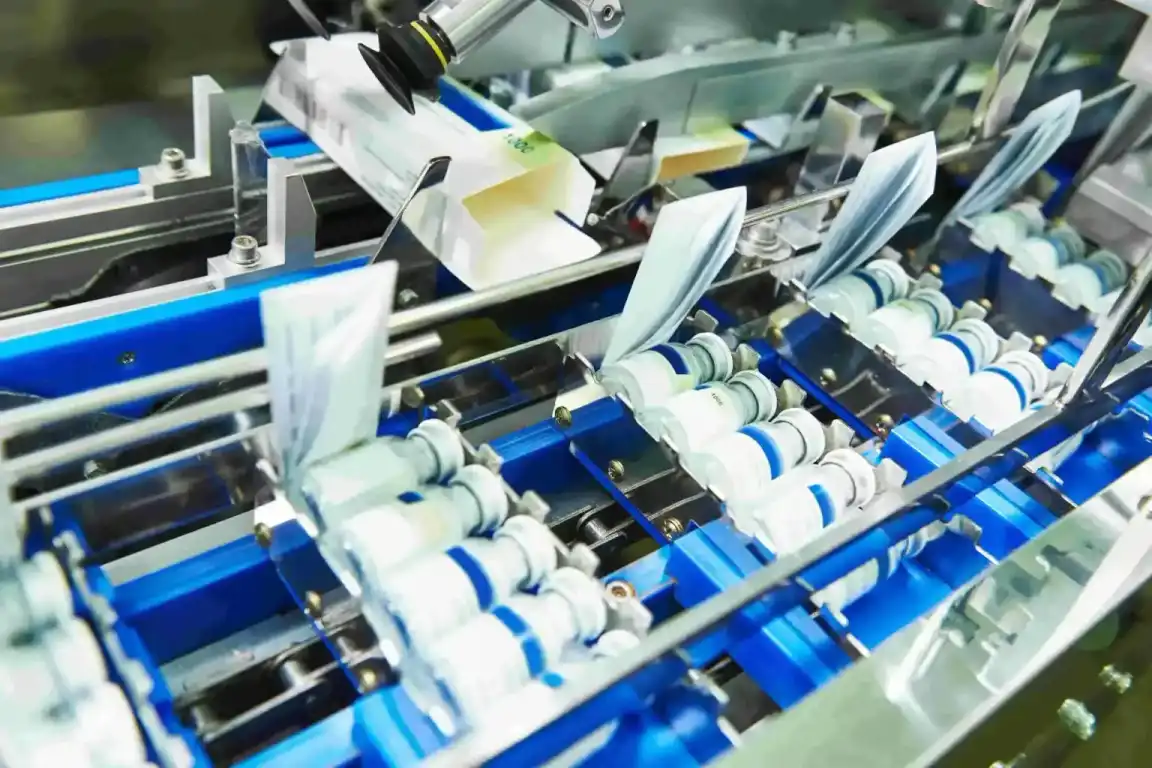
Hot melt adhesives are extensively used in carton sealing, labeling, and flexible packaging. They provide a strong bond for plastic packaging materials like PP, PE, and PET, ensuring tamper-proof and durable packaging for food, beverages, and pharmaceuticals.
2. Automotive Industry
In automotive manufacturing, hot melt adhesives help bond plastic trims, interior panels, and headlamps. Their high bonding strength and heat resistance make them ideal for ensuring structural integrity in vehicle interiors and exteriors.
3. Electronics Industry
Used for wire encapsulation, circuit board assembly, and plastic casings, hot melt adhesives offer insulation and protection for electronic components. They help enhance the durability of gadgets while providing a lightweight bonding solution.
4. Textile Industry
Hot melt adhesives are widely used for lamination, shoe soles, and fabric bonding, ensuring flexibility and durability. In plastic-coated textiles, they improve adhesion without compromising material quality.
5. Consumer Goods & Appliances
From household plastic appliances to furniture and toys, hot melt adhesives are used for assembly and reinforcement. Their fast-setting properties make them ideal for manufacturing durable plastic products efficiently.
With their widespread use, hot melt adhesives for plastic continue to revolutionize the industry, offering strong, fast, and efficient bonding solutions across various applications.
Hot melt adhesives for plastic bonding are used in packaging, automotive, electronics, textiles, footwear, consumer goods, and appliance manufacturing. They are especially useful in production processes that require fast setting and repeatable adhesive application.
In plastic packaging, hot melt adhesives can be used for labeling, package assembly, tamper-evident applications, and bonding compatible plastic packaging components. Their fast setting time makes them suitable for high-speed packaging processes and automated adhesive dispensing systems.
Yes. Application-specific hot melt adhesives can be used for selected automotive trims, plastic panels, electronic casings, wire-related applications, and component assembly. Adhesive selection should consider heat resistance, vibration, insulation requirements, substrate compatibility, and operating conditions.
Yes. Hot melt adhesives can be used to assemble compatible plastic components in toys, household products, furniture, and appliances. Their fast setting properties can improve production efficiency while providing consistent bonding for suitable plastic materials.
Hot Melt Adhesives for Plastic-to-Plastic Bonding
Hot melt adhesives provide a strong, fast, and reliable solution for plastic-to-plastic bonding, making them ideal for a wide range of industries. Unlike traditional adhesives, hot melts offer instant adhesion, high bonding strength, and excellent durability, ensuring that plastic components remain securely bonded under various conditions. Their solvent-free composition makes them safer and more environmentally friendly, while their compatibility with glue dispensers ensures precise application in industrial and commercial settings.
Applications of Hot Melt Adhesives for Plastic-to-Plastic Bonding
1. Automotive Industry
Used for bonding interior trims, dashboards, and plastic panels, ensuring durability and resistance to temperature variations.
2. Electronics Industry
Essential for wire insulation, circuit board assembly, and plastic casing, providing a secure and protective bond.
3. Packaging Industry
Applied in rigid plastic packaging, tamper-proof seals, and container assembly, ensuring secure closure and product safety.
4. Consumer Goods & Appliances
Used in the manufacturing of plastic toys, home appliances, and furniture components, offering fast and strong adhesion.
5. Medical Devices
Helps bond plastic components in disposable medical products, ensuring a sterile and durable connection.
With its fast-curing properties, high bonding strength, and versatility, hot melt adhesive for plastic-to-plastic bonding is a game-changer in modern manufacturing, providing efficiency and long-lasting performance across multiple applications.
The best adhesive for plastic-to-plastic bonding depends on the plastic type, surface energy, required bond strength, temperature exposure, and production process. Application-specific hot melt adhesives can provide fast and reliable bonding for compatible plastics in industrial manufacturing.
Yes. Hot melt adhesive can create a strong plastic-to-plastic bond when the adhesive formulation is compatible with both plastic surfaces. Correct application temperature, adhesive quantity, surface condition, and bonding pressure can significantly affect final bond strength.
Hot melt adhesives can be formulated for materials such as PP, PE, PET, ABS, and other thermoplastic substrates. However, adhesive compatibility varies because plastics have different surface properties. Testing the specific plastic and hot melt adhesive combination is recommended before production.
Manufacturers can improve hot melt adhesive strength by selecting a compatible adhesive, keeping plastic surfaces clean, controlling application temperature, applying the correct glue quantity, and maintaining appropriate bonding pressure. Precise glue dispensing also helps create consistent adhesive patterns and repeatable bonding performance.
Hot Melt Adhesives for Plastic-to-Metal Bonding
Bonding plastic to metal requires a strong, flexible, and durable adhesive that can withstand different thermal expansions of both materials. Hot melt adhesives offer an excellent solution, providing high bonding strength, fast curing, and resistance to heat and moisture.
These adhesives ensure a secure and long-lasting bond between plastic and metal surfaces without the need for mechanical fasteners, making them ideal for automotive, electronics, and industrial applications. Their solvent-free composition and compatibility with glue dispensers further enhance precision and efficiency in various manufacturing processes.
Applications of Hot Melt Adhesives for Plastic-to-Metal Bonding
1. Automotive Industry
Used for bonding plastic trims, dashboards, and metal frames, ensuring vibration resistance and long-term durability.
2. Electronics Industry
Essential for securing plastic casings onto metal heat sinks, circuit boards, and battery housings, offering insulation and protection.
3. Industrial Manufacturing
Applied in plastic-to-metal panel bonding, enclosures, and structural assemblies, reducing the need for screws or welding.
4. Consumer Appliances
Helps bond plastic components to metal bases in home appliances, kitchenware, and furniture, ensuring strong adhesion and longevity.
5. Medical Equipment
Used in assembling plastic and metal medical devices, ensuring a sterile, reliable, and impact-resistant bond.
With its fast-setting properties, flexibility, and resistance to environmental stress, hot melt adhesive for plastic-to-metal bonding is a trusted solution across industries, improving efficiency, durability, and production quality.
Yes, application-specific hot melt adhesives can bond plastic to metal when the adhesive is compatible with both substrates. Correct surface preparation, application temperature, adhesive quantity, and bonding pressure are important for achieving a strong and durable plastic-to-metal bond.
The best adhesive for plastic-to-metal bonding depends on the plastic type, metal surface, required bond strength, temperature exposure, moisture, and production process. Certain hot melt adhesives are suitable for industrial plastic-to-metal bonding because they offer fast setting and controlled adhesive application.
Certain hot melt adhesives provide flexibility within the adhesive layer, helping accommodate some movement caused by differences in the thermal expansion of plastic and metal. The adhesive formulation should be selected according to the operating temperature and environmental conditions of the bonded product.
Hot melt adhesives for plastic-to-metal bonding are used in automotive, electronics, industrial manufacturing, consumer appliances, and selected medical equipment applications. Common uses include bonding plastic trims, casings, panels, housings, and compatible components to metal surfaces.
Hot melt adhesive is heated to its recommended application temperature and dispensed in a molten state onto the plastic surface. The components are then joined while the adhesive remains open, allowing the bond to form as the hot melt cools and solidifies.
Conclusion
Hot melt adhesives have transformed plastic bonding across industries, providing a fast, strong, and reliable solution for a wide range of applications. Whether it’s plastic-to-plastic or plastic-to-metal bonding, these adhesives offer exceptional bonding strength, quick curing, and seamless application, making them ideal for packaging, automotive, electronics, consumer goods, and medical devices. Their solvent-free composition and compatibility with glue dispensers further enhance precision and efficiency in manufacturing.
As the adhesive industry in India continues to grow, the demand for high-performance adhesives for plastic is on the rise. By choosing the right hot melt adhesive, businesses can improve product durability, efficiency, and sustainability, ensuring stronger bonds and better performance in every application.
FAQ
The best hot melt adhesive for plastic depends on the plastic type, surface energy, required bonding strength, application temperature, and operating environment. A hot melt adhesive should be selected specifically for substrates such as PP, PE, PET, or ABS and tested under actual production conditions.
No. Hot melt glue does not bond equally well to every type of plastic. Low-surface-energy plastics such as polypropylene and polyethylene can be more difficult to bond and may require specially formulated adhesives or appropriate surface treatment.
The strongest adhesive for plastic depends on the specific plastic, load, temperature, moisture exposure, and application. Hot melt, reactive, epoxy, and polyurethane adhesives may be used for different plastic bonding requirements, so adhesive compatibility is more important than selecting one universal adhesive.
Choose a hot melt adhesive by identifying the plastic substrate, required bond strength, production speed, operating temperature, and environmental exposure. Glue viscosity, open time, application temperature, and compatibility with the dispensing system should also be evaluated.
Certain specially formulated hot melt adhesives can bond polypropylene (PP) and polyethylene (PE). Because these plastics have low surface energy, adhesive selection and process testing are important for achieving reliable bonding strength.
Yes, certain hot melt adhesive formulations can be suitable for PET plastic. Bonding performance depends on the PET surface, adhesive chemistry, application temperature, and end-use conditions, so compatibility testing is recommended.
Plastic-to-plastic bonding requires an adhesive compatible with the surface properties of both plastic substrates. Plastic-to-metal bonding must also account for differences in surface characteristics and thermal expansion between the plastic and metal components.
Bonding strength can be improved by selecting a compatible adhesive, cleaning the plastic surface, controlling glue temperature and quantity, and maintaining correct bonding pressure. Consistent application through a glue dispensing system can also improve repeatability.
The required application temperature depends on the specific hot melt adhesive formulation and the heat sensitivity of the plastic substrate. Manufacturers should follow the adhesive supplier’s recommended temperature range to ensure proper flow and reduce the risk of damaging plastic components.
Some hot melt adhesives are formulated to resist heat and moisture, but performance varies by adhesive chemistry and application. The adhesive should be selected based on expected operating temperatures, humidity, water exposure, and required bond durability.
Yes. Hot melt adhesives are widely suited to automated manufacturing lines because they set quickly and can be applied using controlled adhesive dispensing equipment. Automation can improve glue placement, application consistency, and production efficiency.
Yes. A controlled glue dispensing system can reduce adhesive waste by applying the required amount of hot melt adhesive at defined locations. Precise dispensing helps minimize over-application, excess glue, and inconsistent adhesive usage.