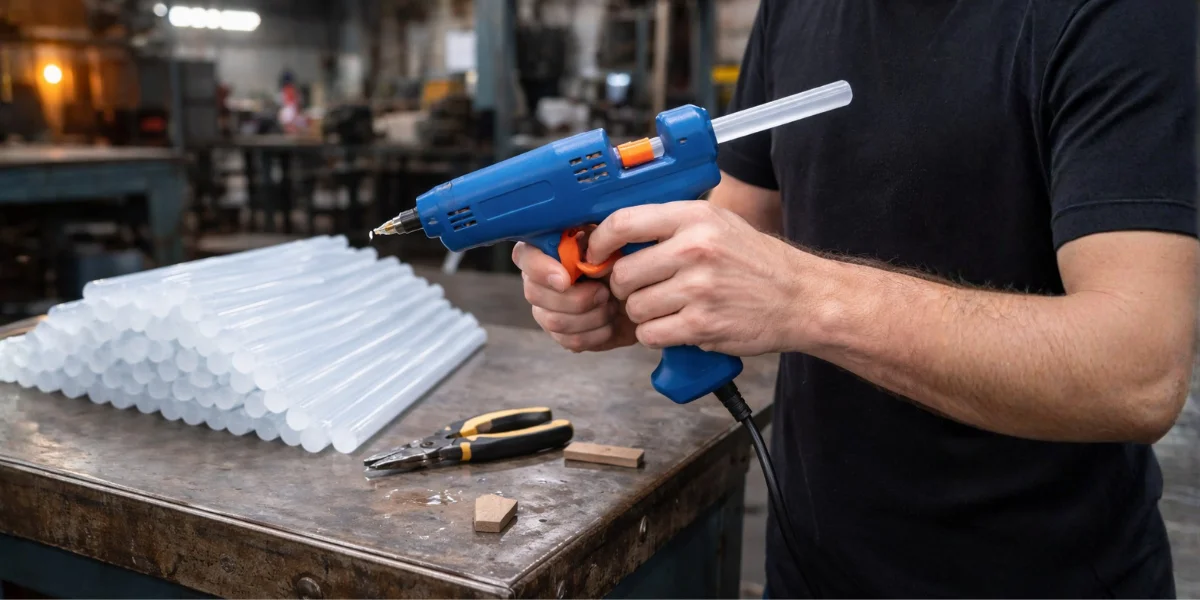
Industrial Hot Melt Packaging Adhesive

Choosing a high-performance industrial hot melt packaging adhesive solution is essential for modern line efficiency. As the hot melt adhesives market expands, businesses rely on top-tier hot melt adhesive manufacturers to provide stable, fast-setting solutions. By optimizing the hot melt manufacturing process, these specialized Packaging Adhesives offer superior bond strength compared to traditional pressure-sensitive tape. Integrating an industrial hot melt glue into your workflow ensures that your production lines run at peak speed, utilizing advanced Hot Melt Adhesive Application Equipment for precise, waste-free bonds.

Types of Hot Melt Packaging Adhesives

Understanding the various categories of Packaging Adhesives is the first step toward operational success. The hot melt adhesives market offers diverse chemistries like EVA, Polyolefin, and Metallocene to suit different substrates. Each industrial hot melt glue type undergoes a rigorous hot melt manufacturing process to ensure high thermal stability and consistent viscosity. Whether you are sealing standard corrugated cartons or using specialized Hot Melt Adhesive for Packaging for high-recycled content stocks, selecting the right chemistry prevents nozzle charring. This diversity allows a Packaging Machine Manufacturer to customize setups for specific industrial demands.

Hot Melt Adhesive for Packaging

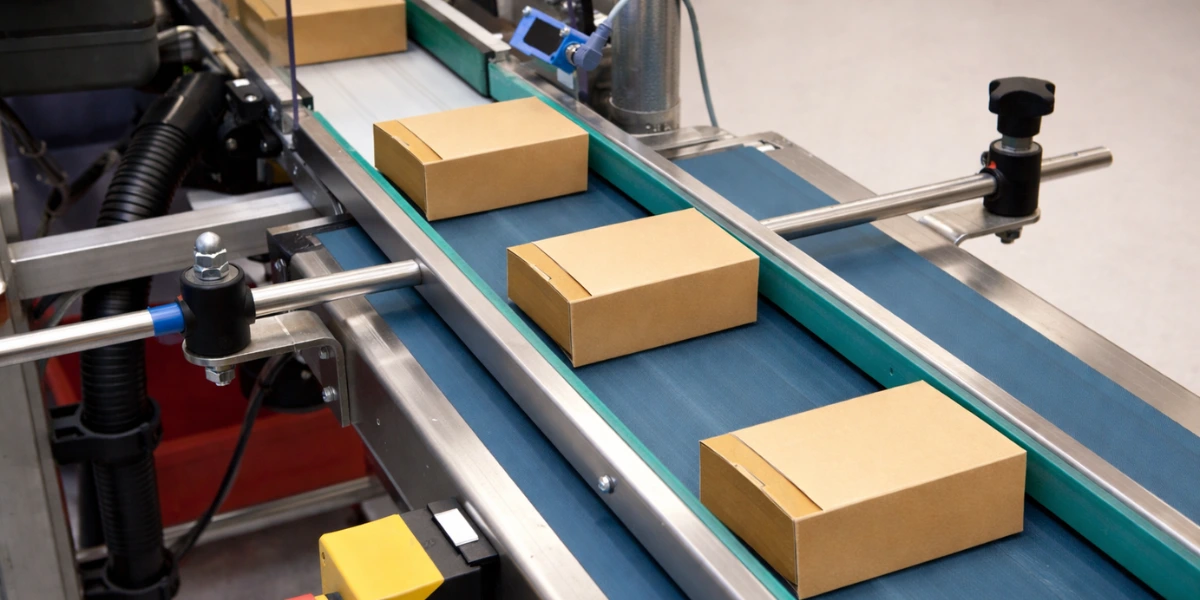
The use of Hot Melt Adhesive for Packaging has revolutionized end-of-line security and aesthetic appeal. Unlike traditional methods, this industrial hot melt packaging adhesive solution creates a clean, professional finish without the messy overlap of plastic tapes. Because modern production demands high-speed results, Hot Melt Adhesive Glue is formulated for near-instant “green strength.” Every leading Packaging Machine Manufacturer now prioritizes compatibility with these systems. By choosing a high-quality resin, you benefit from a refined bond that remains stable across a wide range of shipping temperatures.

Hot Melt Adhesive Uses

Beyond simple box sealing, Hot Melt Adhesive Uses span across tray forming, labeling, and pallet stabilization. These versatile materials are prized for their ability to bond to non-porous surfaces like plastics and coatings. A technical partner or consultant will often recommend specific Hot Melt Adhesive Application Equipment to handle the unique viscosity of Hot Melt Adhesive for Packaging. Whether you are working with food-grade containers or heavy-duty shipping crates, the right bond ensures reliability. These systems remain the most cost-effective choice for global hot melt adhesive manufacturers looking to provide a comprehensive sealing strategy.
Industrial Hot Melt Packaging Adhesive, Types of Hot Melt Packaging Adhesives, Hot Melt Adhesive for Packaging, Hot Melt Adhesive Uses, Mahisa Packaging

The Ultimate Guide to Industrial Hot Melt Packaging Adhesives

The Ultimate Guide to Industrial Hot Melt Packaging Adhesives
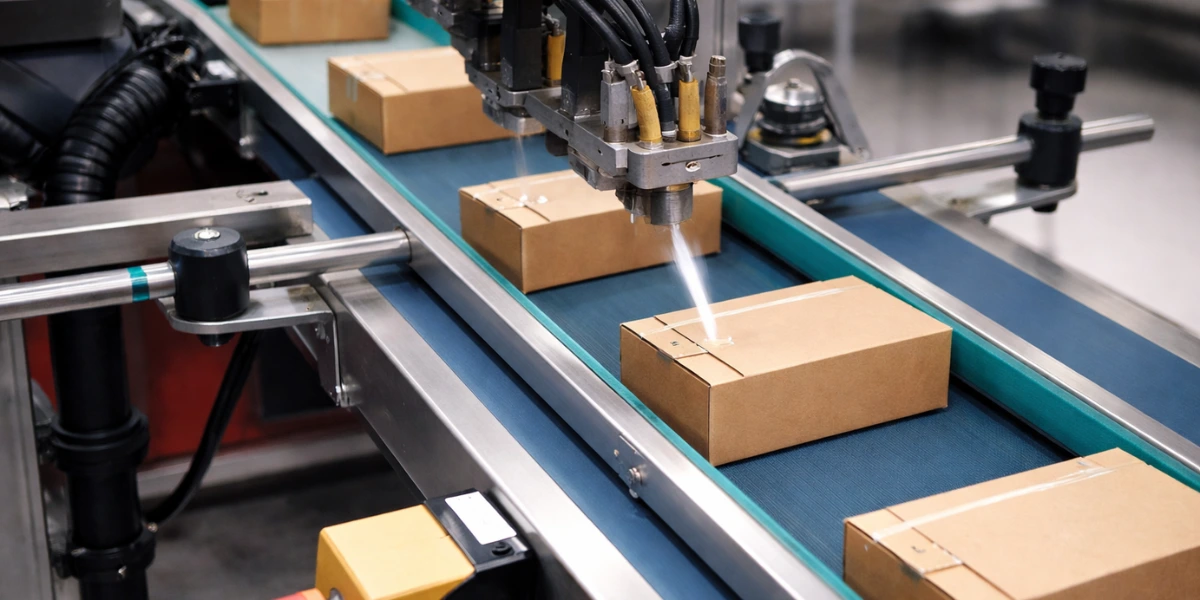
In the competitive landscape of modern manufacturing, efficiency is no longer just a goal, it’s a requirement. For high-speed production lines, the choice of sealant can make or break operational throughput. Industrial hot melt packaging adhesive solutions have emerged as the gold standard for businesses looking to optimize their end-of-line processes.
As the global hot melt adhesives market is projected to grow to over $16 billion by the end of 2026, companies are increasingly moving away from traditional tape and liquid glue. This guide explores the strategic advantages of Hot Melt Adhesive for Packaging, the role of hot melt adhesive manufacturers, and how to select the right industrial hot melt glue for your facility.

What is an Industrial Hot Melt Packaging Adhesive?

Industrial Hot Melt Packaging Adhesive, Types of Hot Melt Packaging Adhesives, Hot Melt Adhesive for Packaging, Hot Melt Adhesive Uses, Mahisa Packaging
An industrial hot melt adhesive is a 100% solid, thermoplastic resin that becomes fluid when heated and sets rapidly upon cooling. Unlike water-based or solvent-based Packaging Adhesives, hot melts do not require drying time. Instead, they form a fiber-tearing bond in seconds, making them ideal for automated, high-volume packaging environments.

Why It's the Preferred Solution in 2026

As we move further into 2026, the focus on sustainability and automation has intensified. Hot Melt Adhesive Glue aligns perfectly with these trends by:
1. Eliminating VOCs:
They are solvent-free and environmentally friendly.
2. Reducing Waste:
Precise application ensures only the necessary amount of industrial hot melt glue is used.
3. Enhancing Speed:
Fast set times allow machines to run at maximum PPM (parts per minute) without the risk of “pop-opens.”

Key Types of Hot Melt Packaging Adhesives

Adhesive Type

Primary Use Case

Key Benefits

EVA (Ethylene Vinyl Acetate)

Standard corrugated boxes Versatile, cost-effective, and the most common

Hot Melt Adhesive Glue

Metallocene Polyolefin

High-speed lines & coated stocks

High thermal stability, low odor, and prevents nozzle charring.

PUR (Polyurethane)

Heavy-duty or high-stress bonds

Excellent heat and chemical resistance; moisture-curing properties.

Pressure Sensitive (PSA)

Labels and resealable packs

Remains "tacky" at room temperature; ideal for Hot Melt Adhesive Uses like tapes.

Selecting the right formulation depends on your substrate and the environmental conditions the package will face. Leading hot melt adhesive manufacturers typically offer these core varieties:

Strategic Benefits for High-Speed Production

1. Significant Cost Savings and Efficiency

While the initial investment in Hot Melt Adhesive Application Equipment is higher than that of a tape dispenser, the Total Cost of Ownership (TCO) is significantly lower. Using Hot Melt Adhesive for Packaging typically costs 60% to 80% less than tape per sealed unit. Furthermore, hot melt allows for shorter “minor flaps” on boxes, which can reduce corrugated material costs by up to 15%.

2. Superior Bond Integrity and Security

Unlike tape, which sits on the surface, hot melt penetrates the fibers of the substrate during the hot melt manufacturing process. This creates a “tamper-evident” seal; any attempt to open the box results in a visible fiber tear. This is critical for sectors like pharmaceuticals and food and beverage, where product security is paramount.

3. Reduced Maintenance and Downtime

Modern metallocene-based adhesives are designed for thermal stability. This means the glue won’t “char” or burn inside the tank, which is the leading cause of clogged nozzles in Hot Melt Adhesive Application Equipment. In 2026, “tankless” systems further reduce start-up times to under 10 minutes, keeping production lines moving.

Hot Melt Adhesive Uses and Market Trends

The hot melt adhesives market is diversifying rapidly as new Hot Melt Adhesive Uses emerge:
1. Food & Beverage:
Used for tray forming and case sealing. Specific formulations are designed to withstand deep-freeze temperatures (down to -40°C).
2. E-commerce & Logistics:
Provides the strength needed for heavy shipping containers while maintaining a clean, professional aesthetic.
3. Electronics:
Low-pressure molding and specialized Hot Melt Adhesive Glue protect delicate components from moisture and vibration.
Any high-tier Packaging Machine Manufacturer now integrates these systems directly into their equipment to ensure compatibility with various Packaging Adhesives.

How To Choose The Right Industrial Hot Melt Packaging Adhesive Solution

To find the perfect industrial hot melt packaging adhesive solution, consider these three factors:

Substrate Surface Energy

Is your cardboard recycled? Is it coated with wax or UV varnish? Recycled fibers often require a more aggressive adhesive, while coated surfaces may need specialized metallocene or PUR to “bite” into the surface.

Environmental Exposure

Will the package be stored in a hot warehouse or a refrigerated truck?
1. For Heat:
Choose an adhesive with a high SAFT (Shear Adhesion Failure Temperature).
2. For Cold:
Look for high flexibility to prevent the bond from shattering.

Line Speed and Open Time

“Open time” is the window between applying the glue and the bond setting. For high-speed automated lines, you want a “fast-set” adhesive. For manual applications where an operator might need to align the box flaps, a “long-open” time is necessary.

The Hot Melt Manufacturing Process: A Quick Overview

The hot melt manufacturing process involves precisely blending polymers, resins, and waxes to achieve specific viscosities and melting points. Quality control is essential to ensure that every batch of Packaging Adhesives performs consistently under the intense heat of industrial melters.

Summary: The Future is Hot Melt

As industrial automation continues to evolve, the move toward industrial hot melt packaging adhesive solutions is no longer optional for companies seeking a competitive edge. By reducing material waste, increasing line speeds, and providing a more secure seal, hot melt is the engine driving modern packaging efficiency.

FAQ's

Can hot glue gun stick metal?

Yes, a hot glue gun can stick metal, but success depends on the specific adhesive formulation used.

Surface Preparation: Metal surfaces are smooth and non-porous, so roughening the surface with sandpaper and cleaning it with alcohol improves adhesion.

Adhesive Type: Standard craft glue may pop off when the metal expands or contracts. For industrial applications, Mahisa Packaging recommends using high-performance polyamide or polyolefin hot melts designed specifically for metal bonding.

Thermal Conductivity: Since metal conducts heat away quickly, pre-heating the metal slightly can prevent the glue from cooling too fast, ensuring a stronger bond.

What is hot melt adhesives?

Hot melt adhesives (HMAs) are thermoplastic glues that are solid at room temperature and turn into a liquid when heated.

Mechanism: They are applied in a molten state and create a bond as they cool and solidify, typically within seconds.

Composition: They are usually made from a base polymer (like EVA or Metallocene), tackifiers (resins), and wax.

Benefits: HMAs are solvent-free, fast-setting, and have a long shelf life, making them ideal for packaging, woodworking, and product assembly.

Forms: They come in various forms such as sticks, pellets, pillows, and blocks, as supplied by manufacturers like Mahisa Packaging.

What is hot melt manufacturing process?

The hot melt manufacturing process involves blending raw materials in a heated environment to create a uniform thermoplastic mixture.

Weighing: Precise amounts of polymers, resins, waxes, and antioxidants are measured.

Mixing & Heating: These ingredients are fed into a heated mixing vessel (extruder or reactor) where they are melted and blended until fully homogenized.

Filtration: The molten adhesive is filtered to remove any impurities.

Forming & Cooling: The liquid is then shaped into its final form (pellets, pillows, or sticks) and cooled using water or air.

Packaging: Once solid, the adhesive is packed for distribution by companies like Mahisa Packaging.

How to make hot melt adhesive glue?

Making industrial-grade hot melt adhesive requires precise chemical engineering, but the general concept involves combining three main components:

Polymers: These provide the glue's strength and flexibility (e.g., Ethylene Vinyl Acetate).

Resins (Tackifiers): These promote adhesion and "stickiness" (e.g., rosin or hydrocarbon resins).

Wax: This lowers the viscosity (thickness) and controls the setting speed (e.g., paraffin or synthetic wax).

Process: These are melted together at high temperatures (approx. 150°C - 180°C) and mixed thoroughly. Note: It is highly recommended to source certified adhesives from experts like Mahisa Packaging rather than attempting DIY formulations for critical applications.

Hot melt adhesive vs acrylic adhesive

The main difference lies in how they cure and their ideal applications.

Setting Mechanism:

Hot Melt: Sets by cooling (physical change). It offers an almost instant bond.

Acrylic: Sets by chemical reaction or solvent evaporation. It often requires a longer cure time.

Temperature Resistance: Acrylics generally withstand higher temperatures and UV exposure better than standard hot melts.

Application: Hot melts are superior for fast-paced automated packaging and assembly (carton sealing). Acrylics are often used for outdoor signage or structural bonding.

Cost & Speed: Hot melt systems are typically more cost-effective and faster for high-volume production lines supported by Mahisa Packaging.