UV Adhesive For Glass
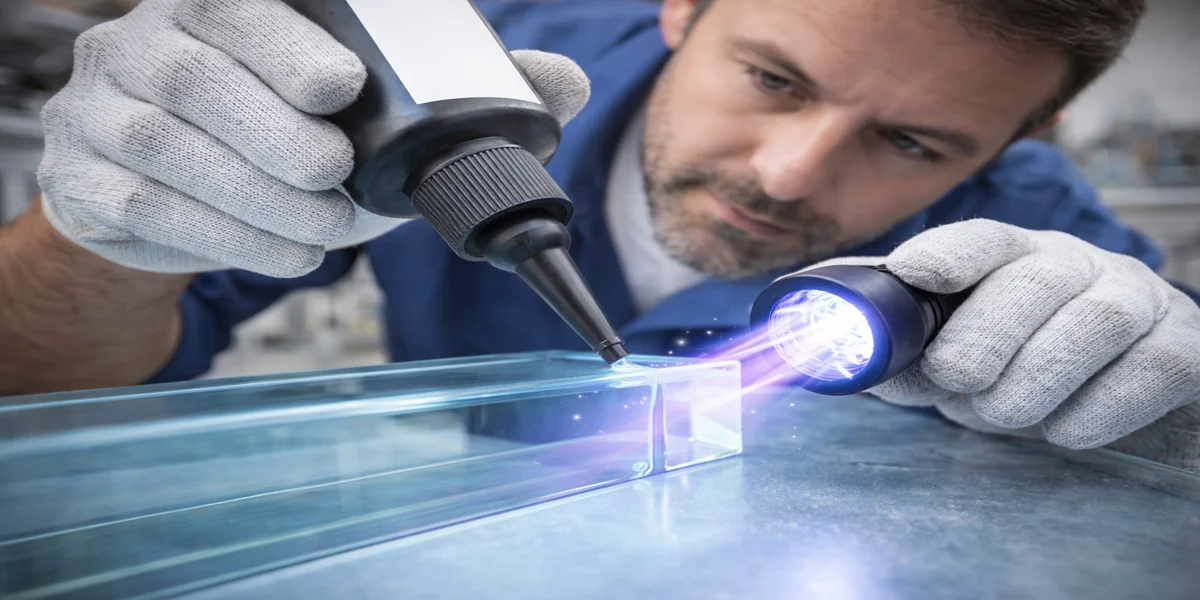
Utilizing a high-quality UV adhesive for glass is the industry standard for creating optically clear joints that are virtually undetectable. Unlike traditional epoxies, UV adhesive for glass allows for an “infinite” open time, meaning technicians can perfectly align complex components without the pressure of a fast-drying glue. Once the alignment is perfect, a burst of ultraviolet light creates a permanent, rock-solid connection in seconds. This precision makes it the preferred choice for high-end furniture, luxury display cases, and intricate glass art where both strength and visual perfection are required to meet premium quality standards.How UV Curing Works
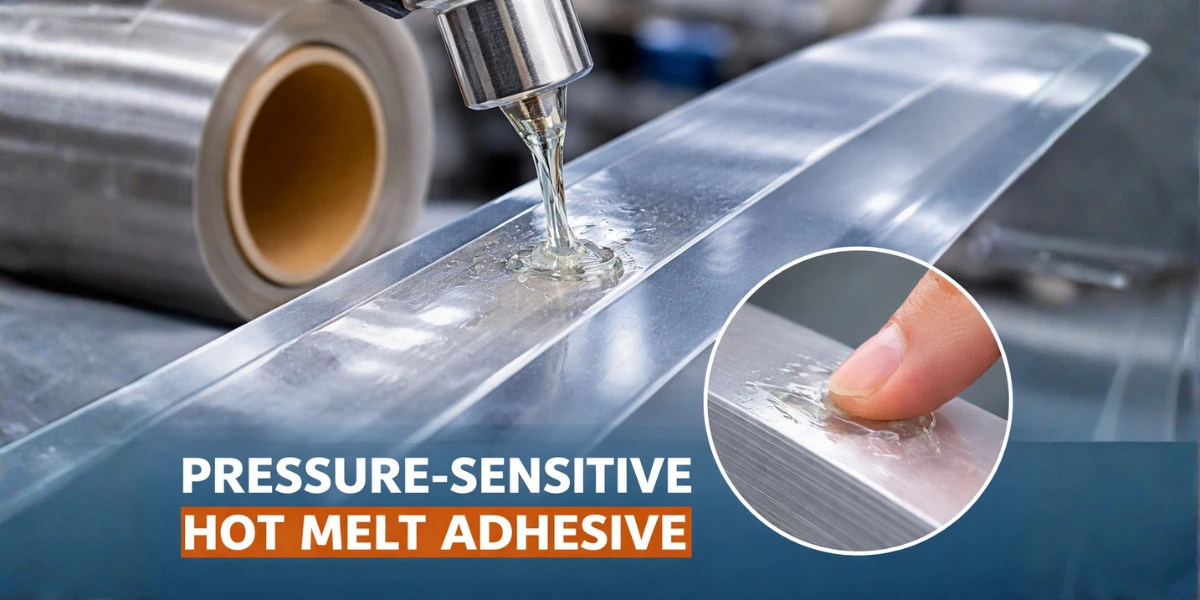
Understanding how UV curing works involves a deep dive into the rapid photochemical reaction triggered by specific light wavelengths. Essentially, how UV curing works is through photoinitiators within the liquid resin that absorb UV energy, instantly converting the liquid into a cross-linked solid polymer. This transformation happens in a matter of seconds, bypassing the long evaporation or cooling times required by solvent-based or hot-melt alternatives. This efficiency allows production lines to move faster while ensuring that the bond reaches its maximum tensile strength almost immediately after exposure to the curing lamp.UV Adhesives Are Dominating The Market
It is no surprise that UV adhesives are dominating the market due to their zero-VOC emissions and incredible manufacturing speed. Across the globe, UV adhesives are dominating the market in sectors like medical device assembly and automotive sensors, where precision and clean-room compatibility are vital. Because these adhesives don’t shrink or yellow over time, they offer a level of reliability that mechanical clips simply cannot provide. Their ability to bond dissimilar materials like glass to metal or plastic further solidifies their position as the primary choice for modern industrial engineering and sustainable product design.UV Bonding
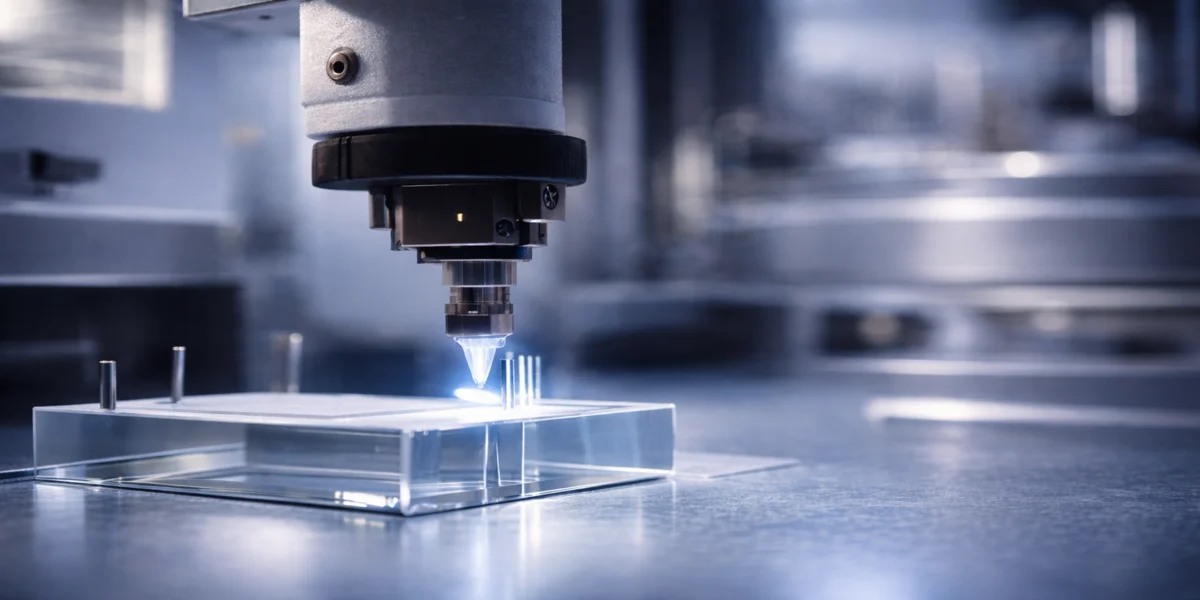
In the world of high-end interior design and structural glazing, UV bonding has become a transformative technique for creating “all-glass” structures. Because UV bonding creates a joint that is often stronger than the glass itself, it allows for the creation of floating staircases, minimalist shelving, and seamless retail storefronts. This process eliminates the need for bulky metal brackets, allowing the natural beauty of the glass to take center stage. For professionals, mastering this technique ensures a finish that is not only structurally sound but also meets the highest aesthetic demands of contemporary luxury spaces.Future Of Glass Bonding
The future of glass bonding is rapidly evolving toward invisible, high-strength structural solutions that redefine modern architecture. As industries demand sleeker designs with fewer mechanical fasteners, the future of glass bonding relies on advanced polymer chemistry to ensure long-term durability against environmental stressors. Innovation in this field is focused on achieving “cold bonding” techniques that maintain the temper and integrity of the glass while providing a seamless aesthetic. This progression is essential for the next generation of smart windows and high-tech displays where clarity and structural reliability are non-negotiable for manufacturers.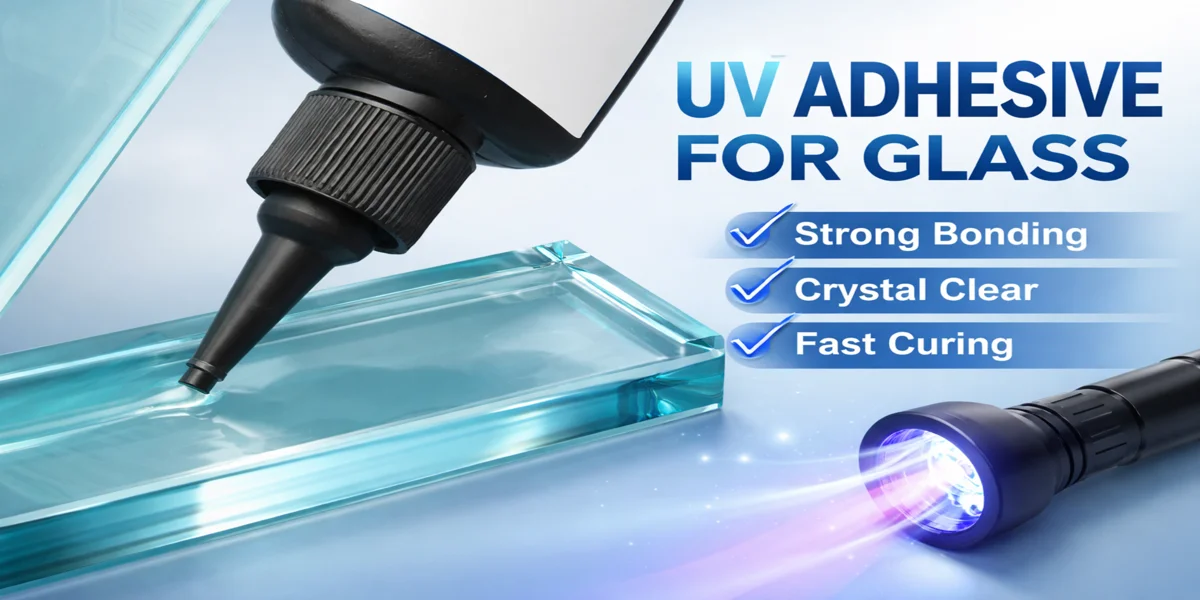
The Future of Glass Bonding: Why UV Adhesives Are Taking Over
The Future of Glass Bonding: Why UV Adhesives Are Taking Over