In today’s fast-paced world of packaging automation companies, glue dispensing units have evolved from simple tools to highly intelligent, automated systems. From electronics to furniture, automotive to consumer goods, the demand for high-quality adhesive application machines is driving innovation across industries.
As we enter 2025, several game-changing technologies are reshaping how we apply adhesives. Whether you’re a product designer or a manufacturer and supplier of glue dispensing machines, these trends reveal where the industry is heading—and how to stay competitive.
1. Smart Glue Dispensers with AI Integration
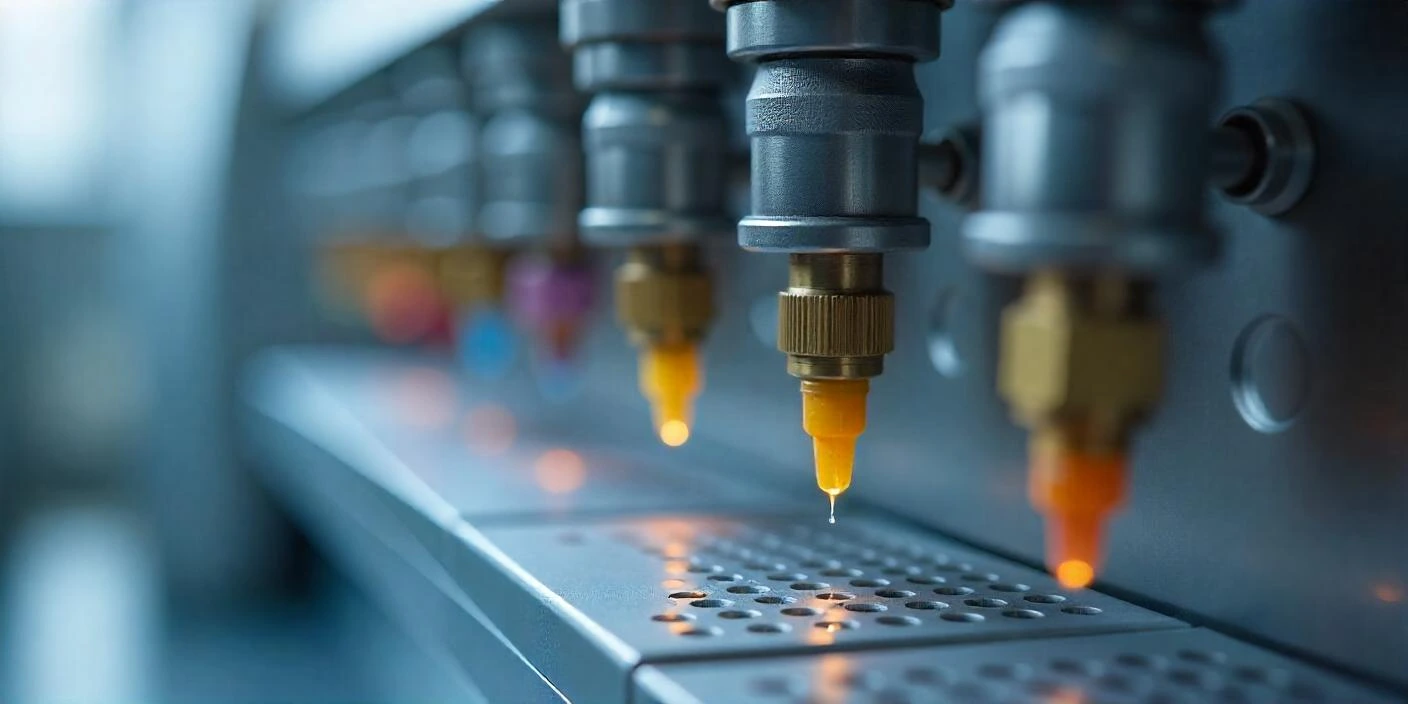
The fusion of artificial intelligence (AI) with glue dispensing is changing the game. Modern hot glue dispensing machines now come equipped with sensors and AI algorithms that make real-time adjustments based on material viscosity, environmental conditions, and desired output. These systems are self-learning and capable of predictive maintenance, which minimizes downtime and increases efficiency.
This level of automation helps ensure high-quality adhesive application every time, even under fluctuating manufacturing conditions. The integration also supports advanced glue dispensing machine processes, where machines “think” and “respond” like skilled human operators.
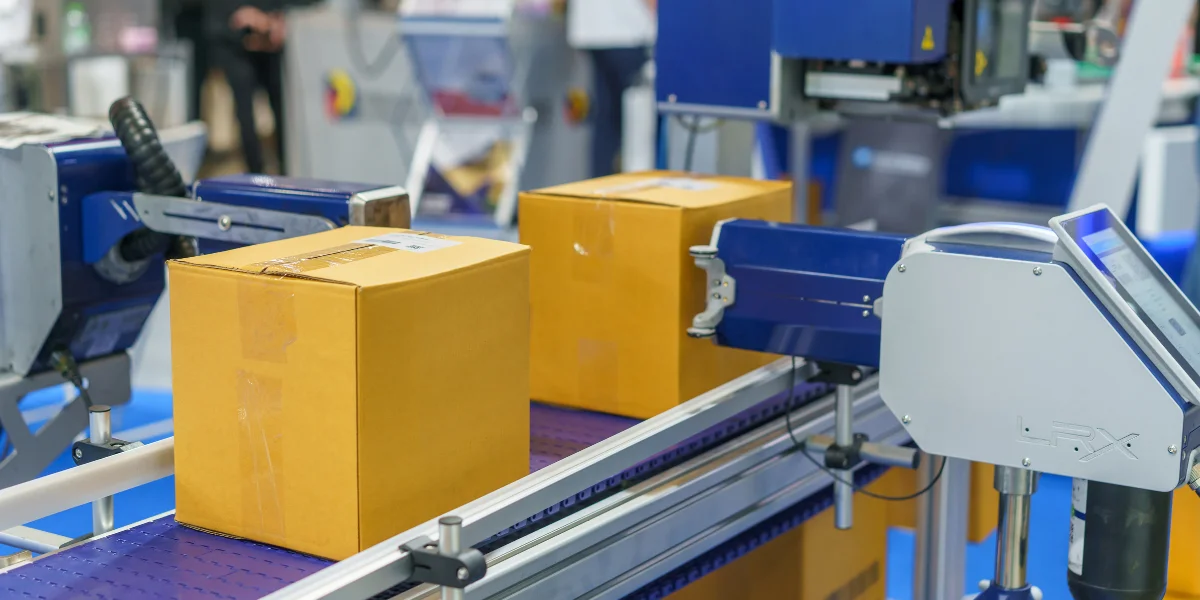
With global industries focusing on precision adhesive application methods, smart dispensers are fast becoming a staple in automated production lines.
2. Eco-Friendly Adhesive Solutions for Sustainable Manufacturing
Sustainability isn’t just a buzzword anymore—it’s a global movement. As governments enforce environmental regulations and customers demand greener alternatives, manufacturers are turning to eco-friendly adhesives such as cold glue adhesive, water-based glues, and biodegradable hot melts.
To keep up, glue dispensing machine manufacturers are engineering systems compatible with these green solutions. These dispensers are designed to maintain precision while handling varying viscosities and curing requirements. Using eco-friendly materials also reduces health hazards and supports long-term sustainability goals.
More and more businesses are seeking a hot melt glue dispenser in India that’s designed to work with non-toxic adhesives, meeting both safety and environmental standards.
3. 5-Axis Glue Dispensing Technology for Complex Applications
The complexity of modern components—especially in electronics, aerospace, and automotive sectors—requires 5-axis glue dispensing technology that can apply adhesives at multiple angles. Unlike traditional 2D systems, these machines move along five axes (X, Y, Z, and two rotations), providing unmatched accuracy on curved or multi-level surfaces.
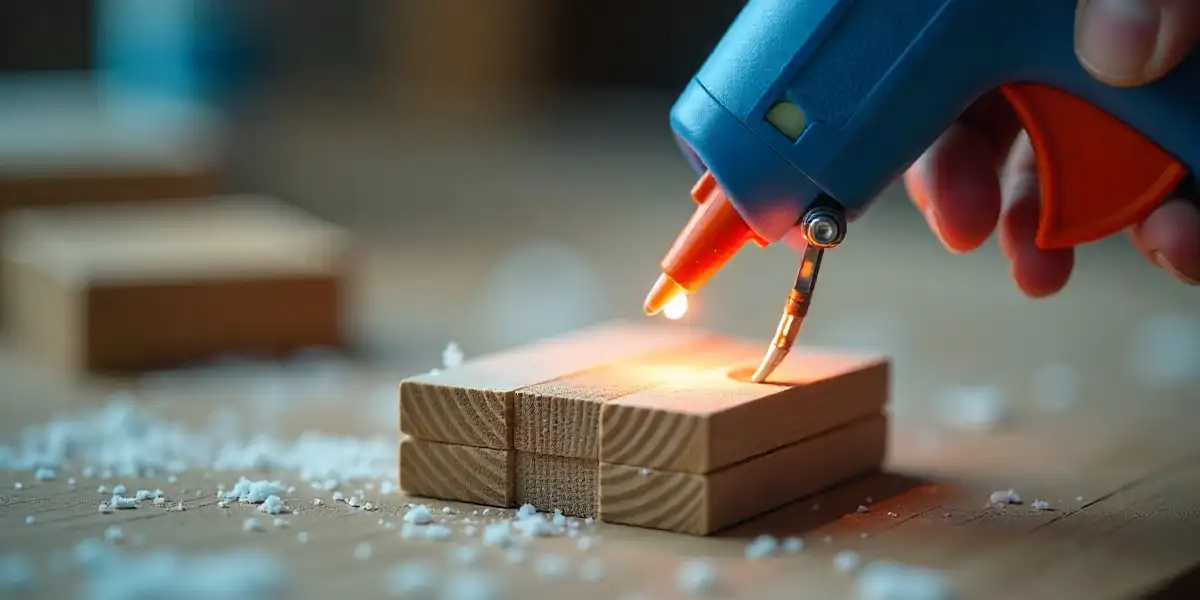
This innovation is a boon for common uses of hot melt glue like sealing electronic components, battery packs, or curved plastic parts. These systems ensure even adhesive distribution without spillage or inconsistencies.
A growing number of manufacturers are demanding hot melt adhesive machine that works seamlessly with their precision part production.
4. Integration of Glue Dispensing with 3D Printing Systems
Imagine combining 3D printing with glue dispensing. Sounds futuristic? In 2025, it’s already a reality. This hybrid technology is enabling on-the-fly adhesive application during the 3D printing process, ensuring structural integrity without requiring post-assembly gluing.
This approach is perfect for multi-material components, customized packaging inserts, or composite products. More packaging automation companies are exploring this to speed up production and lower costs.
It also opens up new possibilities in prototyping, where engineers can quickly produce functional parts that already include embedded bonding. If you’re a supplier of hot glue dispensers, this is an area to watch closely.
5. Modular and Customizable Glue Dispensing Units
One-size-fits-all no longer works. That’s why the demand for customizable glue dispensing units is rising. Modular systems allow manufacturers to scale, switch adhesives, or add new components without replacing the entire unit. For example, a startup might begin with a manual applicator and gradually upgrade to a fully automated hot melt system.
This is particularly beneficial for manufacturers and suppliers of glue dispensing machines catering to multiple industries—from footwear to furniture. A modular system gives flexibility in hot melt adhesive applications while keeping costs in check.
If you’re in India, where SMEs are scaling fast, investing in modular hot melt glue dispenser in India setups makes your production line future-ready.
6. Automated Quality Control with Glue Dispensing Verification Systems
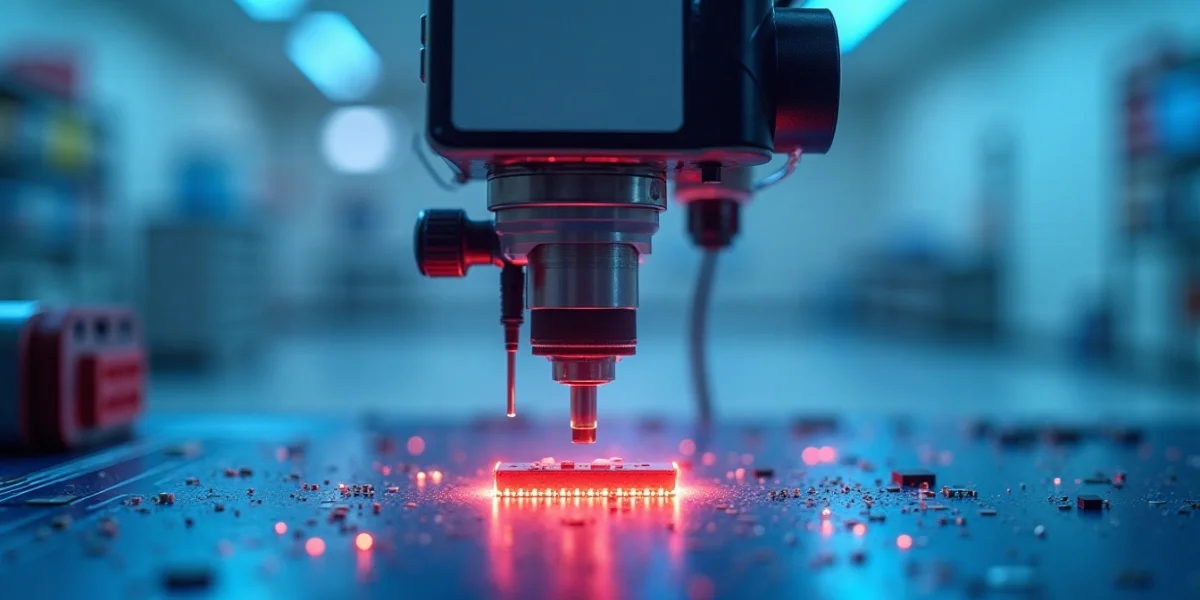
Errors in adhesive application can lead to recalls, poor performance, or warranty claims. This is where automated glue verification systems play a critical role. Using vision sensors, infrared cameras, and laser profiling, these machines can detect over- or under-dispensing in real time.
This system is increasingly vital for high-volume glue dispenser machines used in electronics and medical devices, where accuracy is non-negotiable. The real-time feedback ensures hot glue dispensing machines maintain a consistent quality standard.
The use of automated quality control in glue dispensing machines is now standard across many global production lines, especially for mission-critical parts.
7. Energy-Efficient Glue Dispensing Machines for Industrial Use
Energy costs are rising, and factories are seeking machines that do more with less. This is where energy-efficient glue dispensing machines come in. These systems are optimized for rapid heating, quick cool down, and energy recovery between cycles.
Many also feature smart shut-off systems that power down idle components, significantly cutting electricity bills over time. As environmental sustainability becomes part of corporate KPIs, energy efficiency is also a reputational win.
A growing number of glue dispensing machine manufacturers in India and abroad now offer models that reduce energy use without compromising performance.
Conclusion: Adapt or Fall Behind
2025 is shaping up to be the most transformative year yet for the glue dispensing industry. With innovations in AI, sustainability, and automation, businesses need to rethink how they approach adhesive application.
Whether you’re a supplier of hot glue dispensers, a packaging automation company, or a growing manufacturer, the future lies in investing in flexible, smart, and eco-friendly glue dispensing technologies.
If you’re looking for a reliable glue dispensing machine manufacturer or exploring the best equipment for hot melt adhesive applications, now is the time to act. Smart machines and modular systems aren’t a luxury anymore—they’re a necessity.
FAQs
A glue dispensing machine is used to apply adhesives like hot melt, cold glue, or water-based glue precisely on surfaces in industries such as packaging, electronics, and automotive. It ensures consistent adhesive flow, reduced waste, and faster production.
Hot melt glue is commonly used in packaging, bookbinding, woodworking, automotive assembly, and electronic components due to its fast-setting properties, strong bonding, and versatility across materials like plastic, cardboard, and metal.
Hot glue is thermoplastic and requires heating, ideal for fast bonding. Cold glue is water-based, used for porous surfaces, and takes longer to dry. Cold glue is more eco-friendly, while hot glue offers rapid set times and stronger initial bonds.
A 5-axis glue dispenser moves in X, Y, Z, plus two rotational axes. This allows it to apply adhesives on complex or 3D surfaces with high precision, essential for industries like electronics, automotive, and aerospace.
Yes, many modern glue dispensing machines feature energy-efficient components like smart heaters and standby modes. These reduce power consumption during idle time and improve operational cost efficiency for large-scale manufacturers.
Modular glue dispensers offer scalability, easy maintenance, and customization. They allow manufacturers to switch adhesive types or add components without replacing the entire machine ideal for growing or multi-product businesses.
Industries using hot melt adhesive equipment include packaging, furniture, automotive, textiles, and electronics. It’s popular due to quick drying, strong bonds, and compatibility with automation.