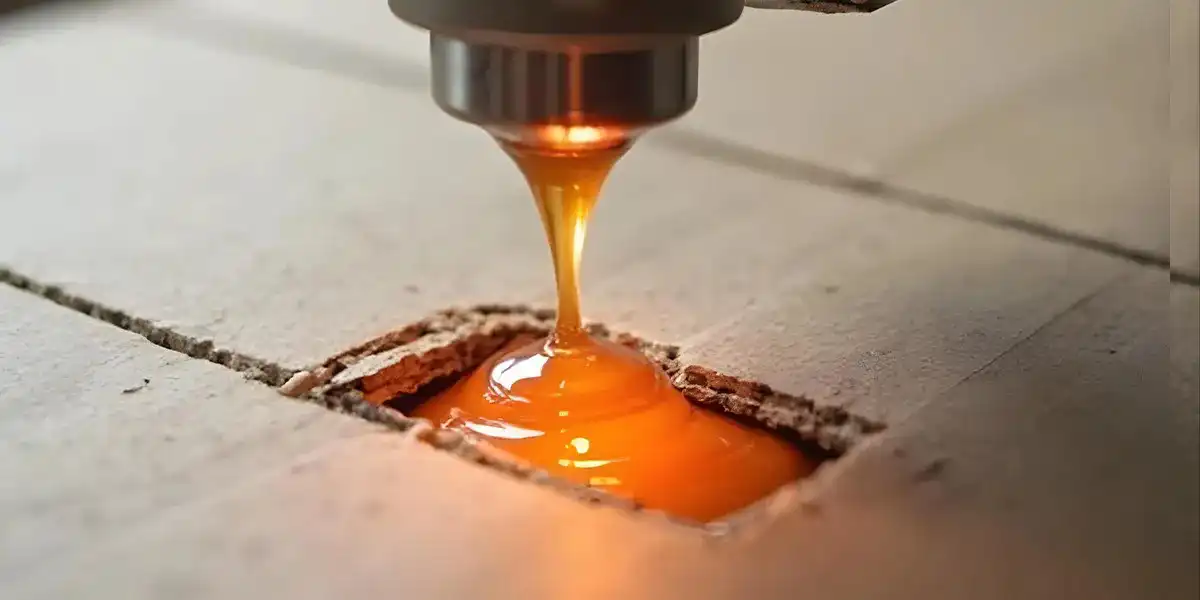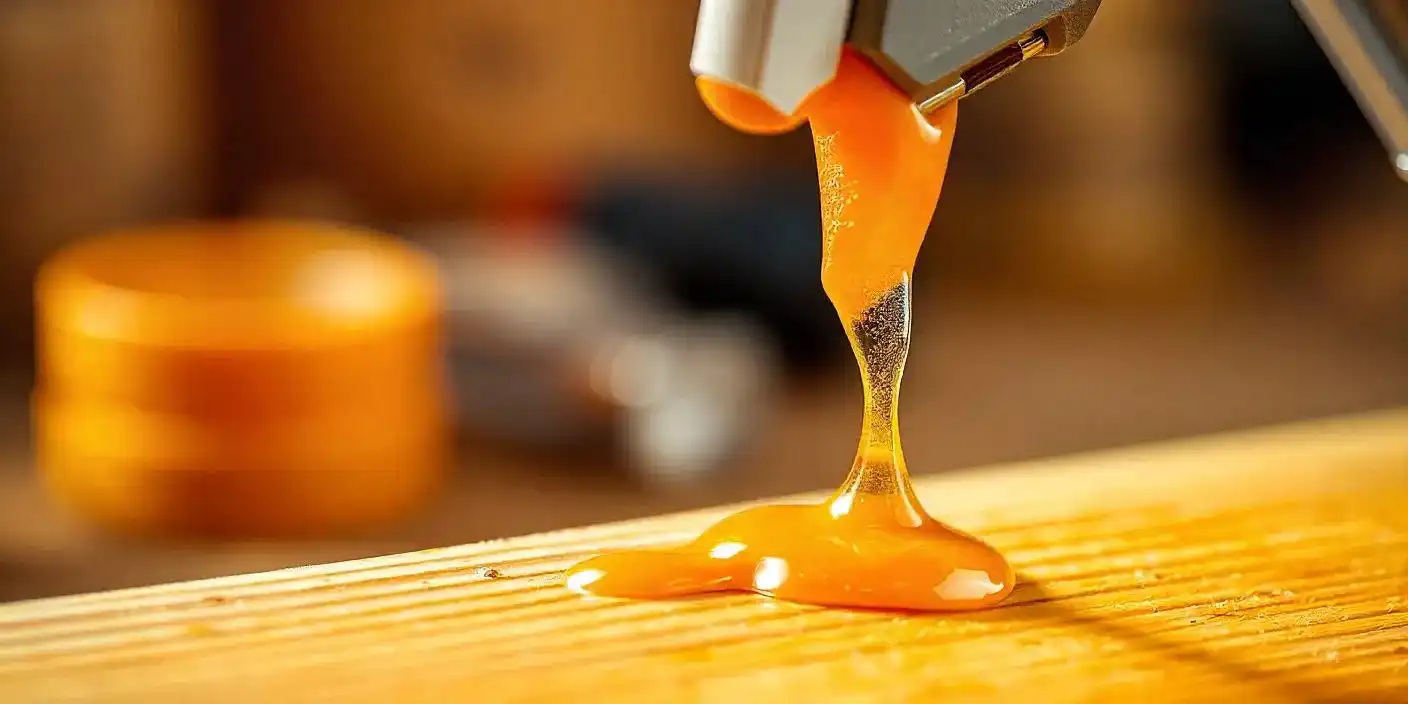
Hot melt glue is a thermoplastic adhesive that solidifies upon cooling, offering a quick and strong bond across various materials. It is commonly used in industrial applications, packaging, woodworking, and crafts due to its efficient gluing process. The glue is melted using a hot melt applicator, applied in liquid form, and hardens as it cools, ensuring rapid adhesion.
The properties of hot melt glue include flexibility, durability, and resistance to moisture and chemicals, making it ideal for diverse applications. Its glue quality depends on factors like viscosity, open time, and tackiness, which influence bonding performance.
High glue strength ensures long-lasting adhesion, while proper glue application techniques optimize efficiency in manufacturing and assembly processes. Due to its fast setting time and versatility, hot melt glue is preferred in industries requiring seamless and reliable bonding solutions. It provides a cost-effective alternative to solvent-based adhesives while maintaining high performance.
Technical Aspects of Hot Melt Glue
Hot melt glue is a thermoplastic adhesive that provides instant bonding by melting and solidifying upon cooling. It is widely used in industries such as packaging, woodworking, electronics, and automotive due to its fast setting time and strong adhesion properties. Understanding its technical aspects ensures optimal performance and application efficiency.
Key Technical Considerations:
1. Composition & Formulation
Made from thermoplastic polymers, resins, and additives that influence adhesion, flexibility, and durability.
Made from thermoplastic polymers, resins, and additives that influence adhesion, flexibility, and durability.
2. Viscosity
Determines the flow and spreadability of the glue during application; varies based on temperature and material compatibility.
Determines the flow and spreadability of the glue during application; varies based on temperature and material compatibility.
3. Open Time & Setting Time
Open time refers to how long the glue remains tacky before bonding, while setting time defines how quickly it solidifies.
Open time refers to how long the glue remains tacky before bonding, while setting time defines how quickly it solidifies.
4. Application Temperature
Typically ranges between 120°C and 180°C, depending on the formulation and bonding requirements.
Typically ranges between 120°C and 180°C, depending on the formulation and bonding requirements.
5. Glue Strength & Durability
Influenced by formulation, substrate compatibility, and environmental conditions like humidity and temperature fluctuations.
Influenced by formulation, substrate compatibility, and environmental conditions like humidity and temperature fluctuations.
6. Adhesion Properties
Works well on porous and non-porous surfaces but requires proper surface preparation for optimal bonding.
Works well on porous and non-porous surfaces but requires proper surface preparation for optimal bonding.
7. Types of Hot Melt Glue
Available in different forms, including EVA-based, polyamide, polyurethane, and pressure-sensitive adhesives.
Available in different forms, including EVA-based, polyamide, polyurethane, and pressure-sensitive adhesives.
8. Equipment & Application Methods
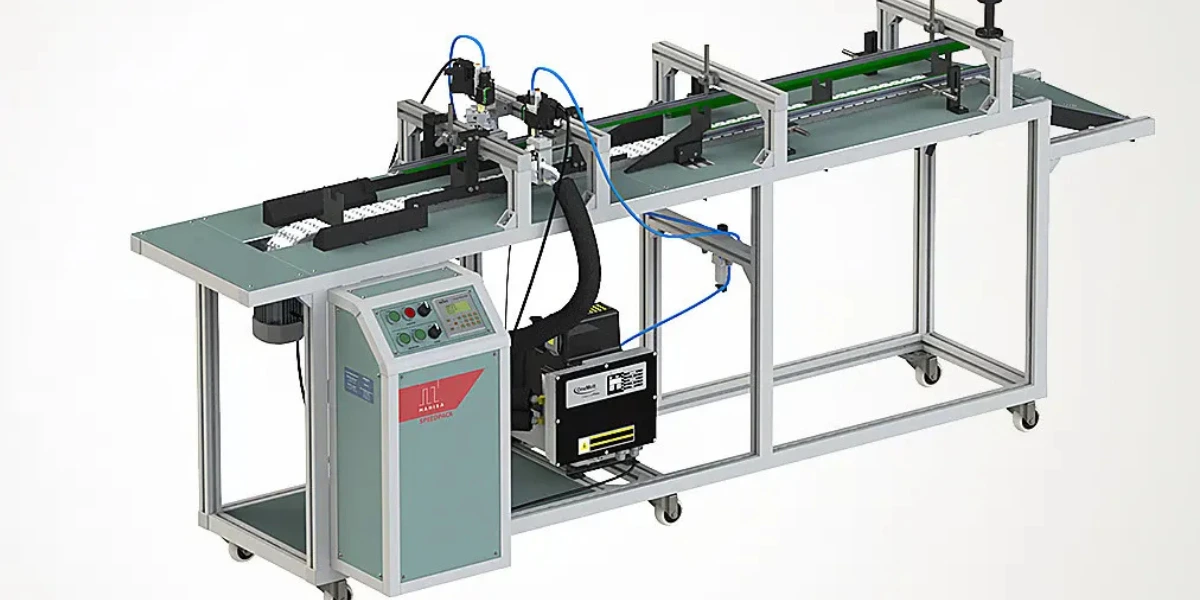
Applied using hot melt glue guns, automated dispensers, or bulk melters for industrial use.
Applied using hot melt glue guns, automated dispensers, or bulk melters for industrial use.
9. Thermal Stability & Aging
Some formulations resist heat and aging better than others, affecting long-term performance.
Some formulations resist heat and aging better than others, affecting long-term performance.
10. Eco-Friendliness & Safety
Many hot melt adhesives are solvent-free, reducing toxicity and environmental However, proper handling and ventilation are required to prevent burns or fume exposure.
Many hot melt adhesives are solvent-free, reducing toxicity and environmental However, proper handling and ventilation are required to prevent burns or fume exposure.
Understanding these technical factors helps in selecting the right hot melt glue for specific applications, ensuring high performance and efficiency.
Uses of Hot Melt Glue in Various Industries
Hot melt glue is a versatile adhesive used across multiple industries due to its fast gluing process and strong bonding capabilities. It is applied using a glue dispenser, ensuring precision and efficiency in manufacturing and assembly. The glue strength varies based on the types of glue used, making it suitable for bonding different materials like plastic, wood, fabric, and metal.
Key Technical Considerations:
1. Packaging Industry
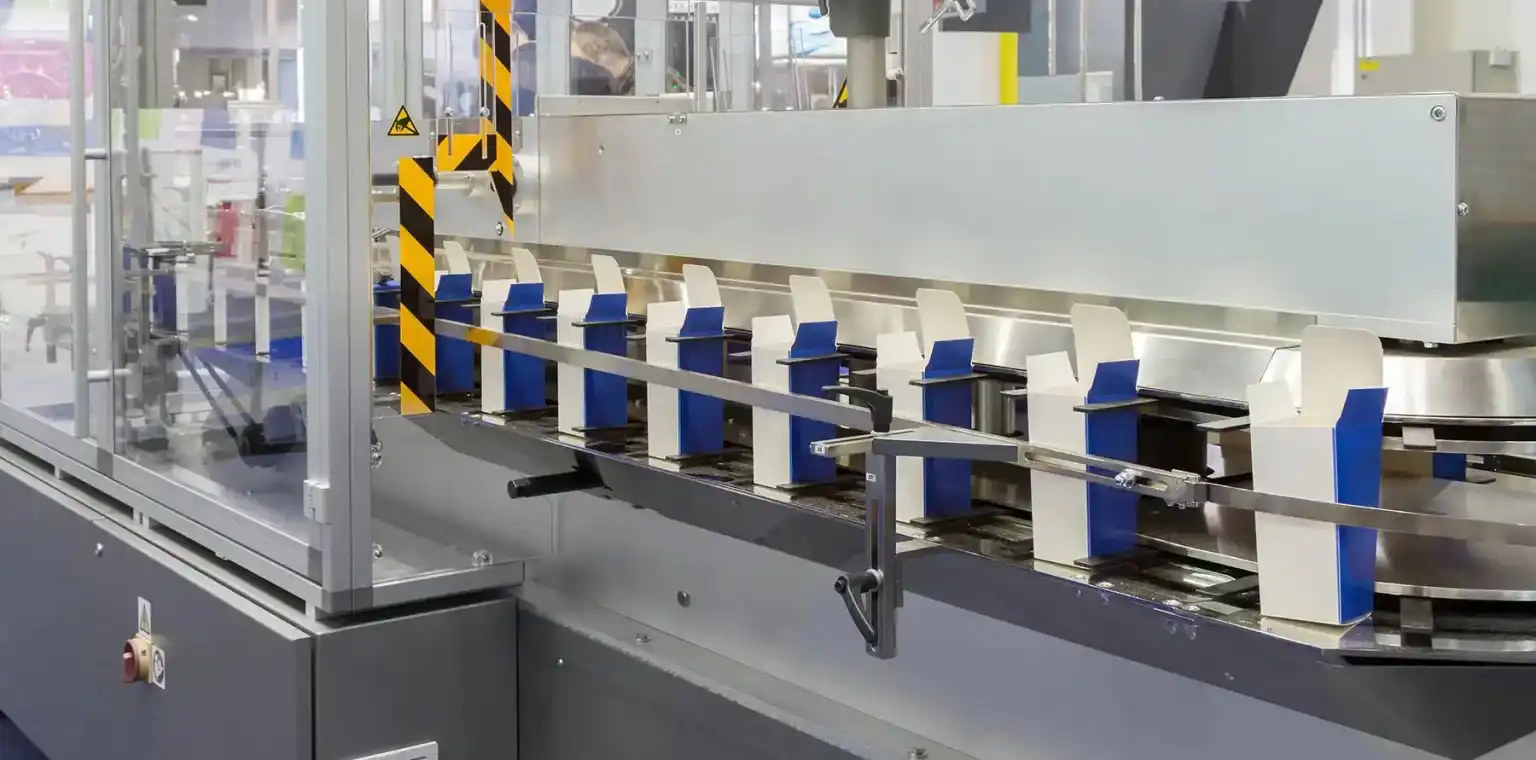
Used for sealing cartons, boxes, and labels due to its quick setting and strong
Used for sealing cartons, boxes, and labels due to its quick setting and strong
2. Woodworking & Furniture
Provides durable bonding for wood joints, laminates, and
Provides durable bonding for wood joints, laminates, and
3. Automotive Industry
Applied for interior trims, upholstery, and electronic
Applied for interior trims, upholstery, and electronic
4. Electronics & Appliances
Used for wire tacking, PCB assembly, and securing components.
Used for wire tacking, PCB assembly, and securing components.
5. Textile & Footwear
Helps in fabric bonding, shoe assembly, and seam
Helps in fabric bonding, shoe assembly, and seam
6. Bookbinding & Paper Products
Ensures strong binding for books, magazines, and paper
Ensures strong binding for books, magazines, and paper
7. Crafts & DIY Projects
Ideal for home décor, art projects, and model-
Ideal for home décor, art projects, and model-
8. Medical & Hygiene Products
Used in disposable medical supplies, diapers, and sanitary
Used in disposable medical supplies, diapers, and sanitary
9. Product Assembly
Common in manufacturing toys, gadgets, and plastic
Common in manufacturing toys, gadgets, and plastic
10. Automated Manufacturing
Integrated into production lines for fast and efficient adhesive
The wide-ranging uses of hot melt glue make it an essential adhesive solution in industries requiring reliability and high performance.
Benefits of Hot Melt Glue for Industrial and Commercial Applications
Hot melt glue is widely used due to its fast-curing properties, strong adhesion, and versatility across various materials. Unlike solvent-based adhesives, it offers an eco-friendly and efficient gluing process with minimal drying time. Applied using a glue dispenser, it ensures consistent application and superior glue strength. The various types of adhesive available allow for customized bonding solutions in industries like packaging, woodworking, electronics, and textiles.
Key Benefits of Hot Melt Glue:
1. Fast Bonding Time
Quick setting ensures high-speed production and assembly
Quick setting ensures high-speed production and assembly
2. Strong Adhesion
Provides excellent glue strength, making it suitable for various surfaces and
Provides excellent glue strength, making it suitable for various surfaces and
3. Versatile Applications
Compatible with materials like plastic, wood, fabric, metal, and
Compatible with materials like plastic, wood, fabric, metal, and
4. No Solvents or VOCs
Environmentally friendly and safe for industrial and consumer
Environmentally friendly and safe for industrial and consumer
5. Durability & Flexibility
Resistant to moisture, temperature changes, and mechanical
Resistant to moisture, temperature changes, and mechanical
6. Easy Application
Can be applied using a glue dispenser, hot melt gun, or automated
Can be applied using a glue dispenser, hot melt gun, or automated
7. Cost-Effective
Reduces waste and provides long-term bonding at a lower
Reduces waste and provides long-term bonding at a lower
8. Minimal Drying Time
No need for additional curing processes, increasing workflow
No need for additional curing processes, increasing workflow
9. Clean & Mess-Free
Produces less waste compared to liquid adhesives and does not require long drying periods
Produces less waste compared to liquid adhesives and does not require long drying periods
10. Customizable Formulations
Different types of glue are available for specialized applications like high heat resistance, flexibility, and pressure-sensitive adhesion.
Different types of glue are available for specialized applications like high heat resistance, flexibility, and pressure-sensitive adhesion.
These benefits make hot melt glue an essential adhesive solution in various industries, ensuring durability, efficiency, and cost savings.
Hot Melt Glue vs. Other Types of Glue: A Comparative Analysis
Choosing the right adhesive depends on factors like glue strength, usability, industry requirements, and durability. Hot melt glue is widely preferred for its fast gluing process and ease of application using a glue dispenser, making it ideal for packaging, woodworking, and electronics. However, other adhesives like epoxy glue, super glue, polyurethane glue, PVA glue, and silicone adhesive serve specialized purposes in various industries.
The comparison below highlights the key differences in terms of strength, usability, industries, purpose, and quality, helping you select the best adhesive for your needs.
Comparison of Hot Melt Glue vs. Other Types of Glue
Type of Glue | Strength | Usability | Industries | Purpose | Quality |
Hot Melt Glue | High, strong | Easy to apply | Packaging, | Fast bonding, high durability, moisture resistance | Excellent for |
Epoxy Glue | Very high, | Requires | Automotive, | Heavy-duty | Superior, |
Super Glue | High, instant | Simple to use, | Electronics, | Quick repairs, | Strong but |
Polyurethane | High, flexible | Requires | Woodworking, | Waterproof bonding, suitable for outdoor use | Durable, water |
PVA (White Glue) | Medium, strong on porous materials | Easy to apply, | Paper, | Bonding wood, | Good, nontoxic, but not waterproof |
Silicone Adhesive | Medium to | Heat-resistant, | Electronics, | Sealing, | Flexible, UV |
Hot melt glue stands out for its fast bonding, glue strength, and wide usability across industries, while other adhesives cater to specific needs like heat resistance, flexibility, or heavy-duty applications.
Conclusion
Hot melt glue stands out as a reliable and efficient adhesive solution across multiple industries due to its fast curing, strong adhesion, and versatile applications. Its compatibility with various hot melt glue equipment, such as glue machines and automated glue dispensers, ensures precise and high-speed bonding in packaging, woodworking, electronics, and more. The diverse uses of hot glue make it a preferred choice for businesses seeking durability and cost-effectiveness. Whether for industrial manufacturing or DIY projects, hot melt glue provides superior performance, making it an essential adhesive technology in modern applications.