How Do Hot Melt Adhesives Work?
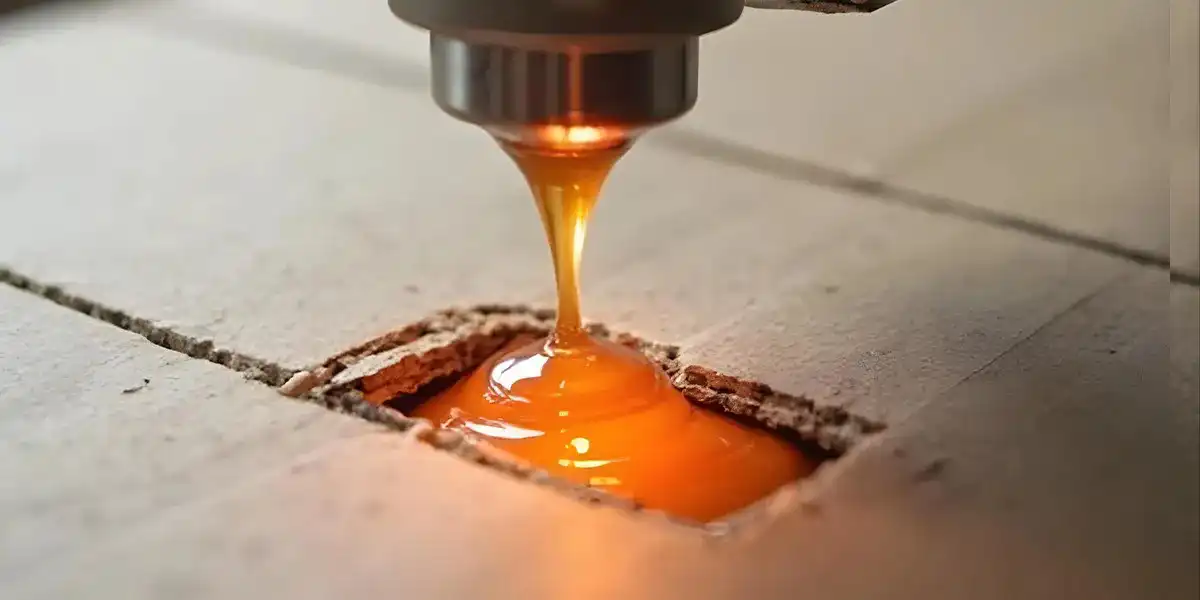
Understanding how do hot melt adhesives work starts with their thermoplastic nature. These materials are 100% solid at room temperature and transition into a liquid state when heat is applied. Once molten, the glue is dispensed onto a substrate where it quickly sheds thermal energy. This rapid cooling allows the polymer chains to lock together, creating a functional bond in seconds. Unlike water-based options, these hot melt adhesives do not require drying time, making them ideal for high-speed industrial environments.Adhesive Bonding Process
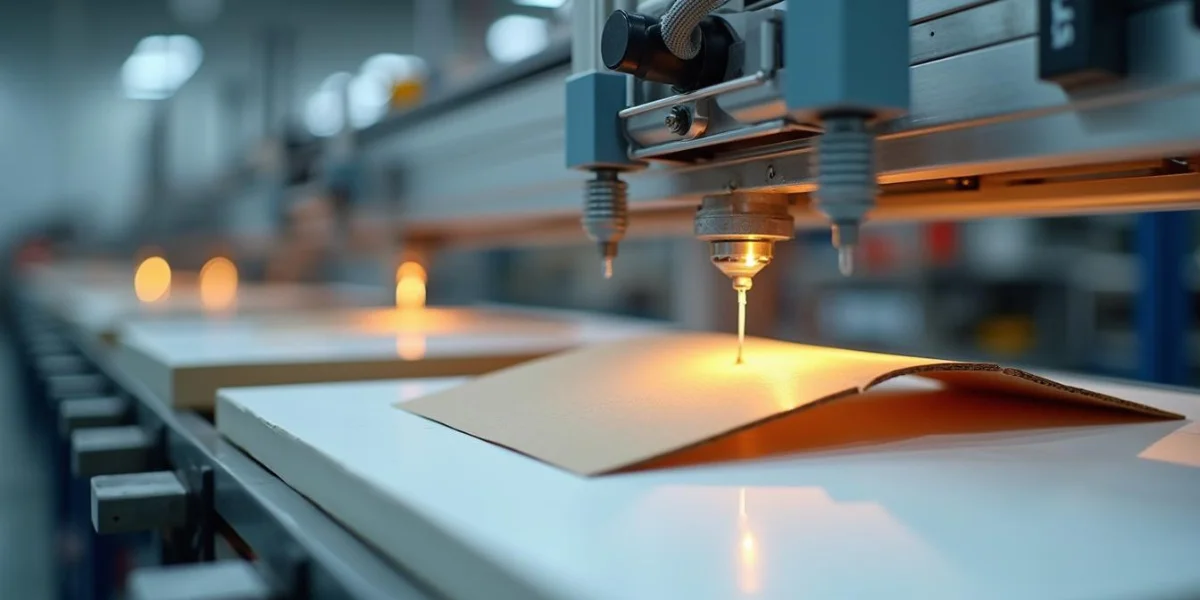
The adhesive bonding process is a multi-stage thermal cycle designed to create a lasting structural or surface connection. It begins with liquefaction in a melting tank, followed by the “wetting” phase where the liquid penetrates the material’s surface profile. For a successful bond, the parts must be mated during the “open time” before the glue solidifies. This transition from liquid to solid creates a mechanical interlocking bond that can resist moisture and varying temperatures depending on the specific formula used.Hot Melt Adhesive Applications
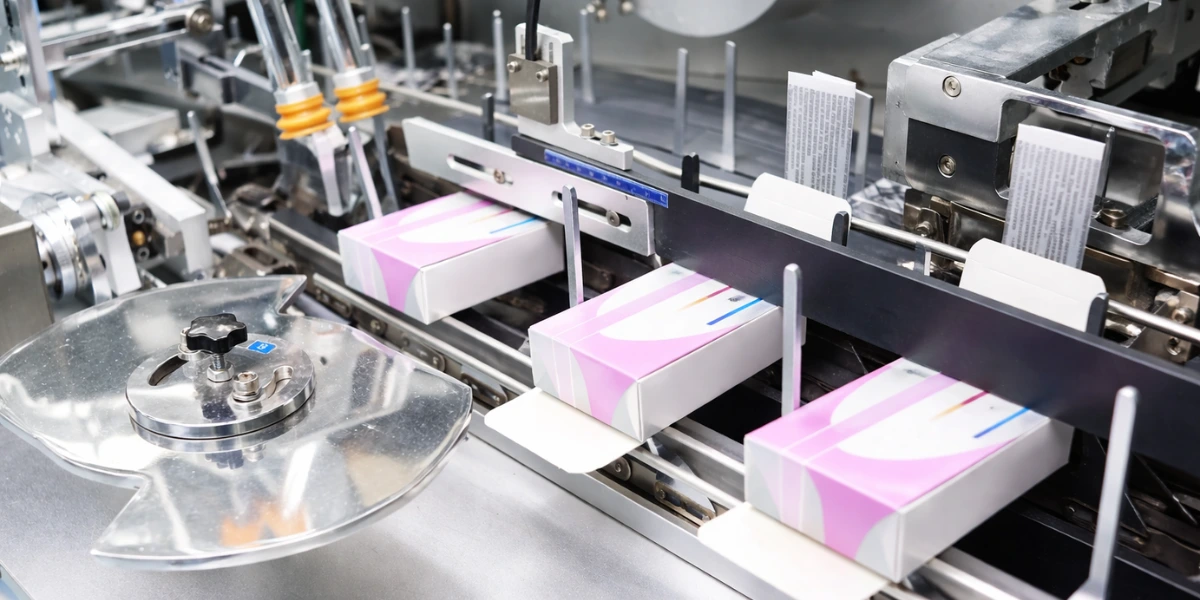
Industrial hot melt adhesive applications are incredibly diverse, spanning from simple cardboard packaging to complex automotive assemblies. You will find these glues sealing cereal boxes, stabilizing pallets, and labeling plastic bottles. In the textile industry, they are used for mattress construction and carpet secondary backings. Because they set so quickly, they are the preferred choice for bookbinding and woodworking, where immediate handling strength is required to keep production lines moving without the need for mechanical fasteners or long curing racks.Types Of Hot Melt Adhesives
There are several distinct types of hot melt adhesives, each engineered for specific environmental stresses. Ethylene-Vinyl Acetate (EVA) is the most common for general packaging due to its cost-effectiveness. For more demanding tasks, Polyolefin offers superior heat resistance, while Polyamides excel in high-performance automotive settings. Additionally, Reactive Polyurethanes (PUR) represent advanced types of adhesives that undergo a secondary chemical cross-linking with atmospheric moisture, resulting in an irreversible bond that cannot be re-melted once it has fully cured.Adhesive Application Methods
Choosing the right adhesive application methods is vital for ensuring bond integrity and material efficiency. Common techniques include bead or dot extrusion for precise placement on box flaps, and spray or swirl patterns for covering large areas like foam or fabric. For manufacturing labels, slot die coating is used to apply a uniform film. Each hot melt adhesive application method is calibrated based on the substrate’s heat sensitivity and the required bond strength, ensuring the glue is distributed perfectly every time.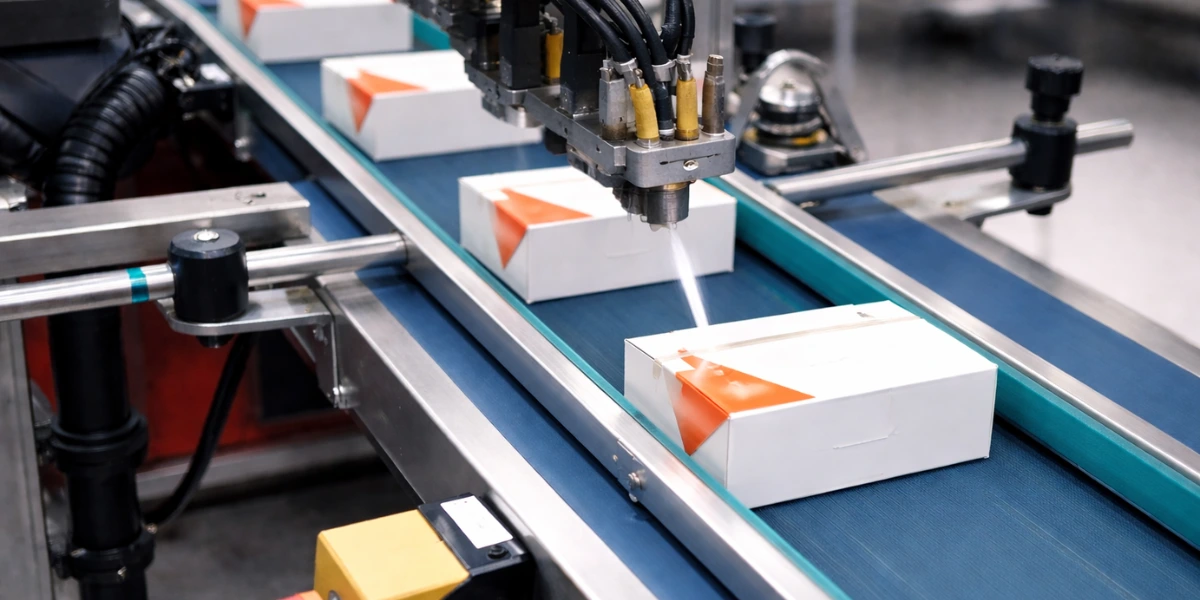
How Do Hot Melt Adhesives Work? A Comprehensive Guide to Industrial Bonding
How Do Hot Melt Adhesives Work? A Comprehensive Guide to Industrial Bonding