What Are Hot Melt Glue Sticks Made Of

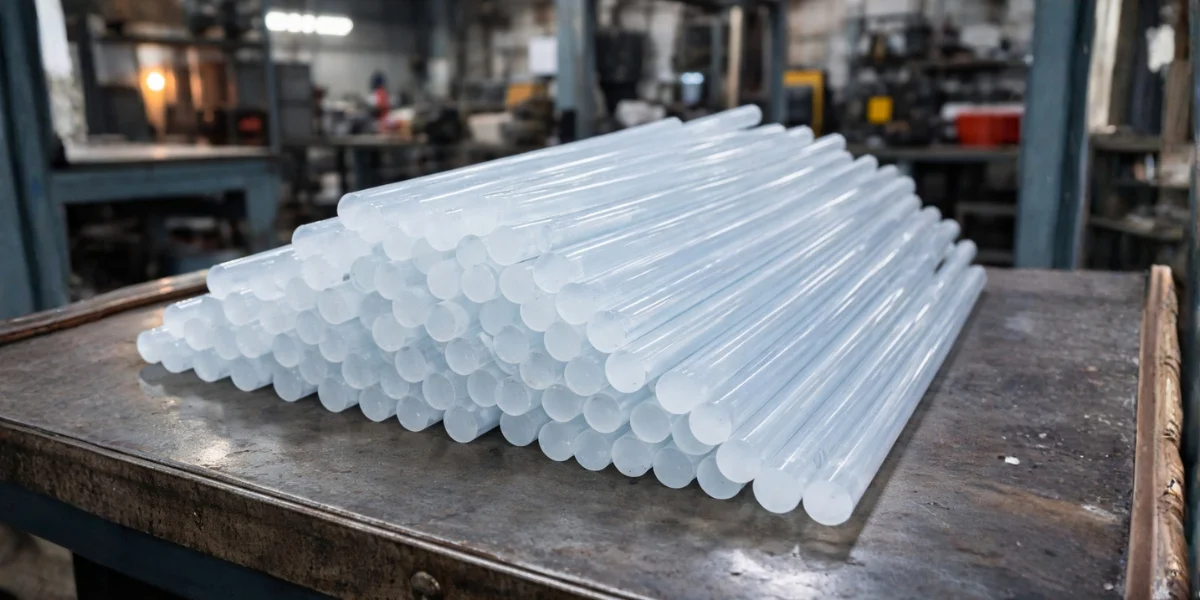
Understanding What Are Hot Melt Glue Sticks Made Of is essential for selecting the right adhesive for industrial or DIY tasks. Most standard sticks are composed of thermoplastic polymers, such as Ethylene Vinyl Acetate (EVA), which provide the primary structure and strength. When looking at What Are Hot Melt Glue Sticks Made Of, you will also find resins known as tackifiers that improve the initial “grip,” and waxes that help regulate the setting time and viscosity. This combination ensures the glue remains solid at room temperature but transforms into a high-performance liquid when heated for various bonding applications.

Hot Melt Glue Composition

The Hot Melt Glue Composition is a carefully balanced blend of three main components: a base polymer, a tackifier, and a wax. The base polymer in the Hot Melt Glue Composition determines the ultimate bond strength and flexibility, while the tackifier ensures the adhesive sticks to a wide variety of surfaces. Additionally, antioxidants are often added to the mix to prevent the material from charring or degrading when kept at high temperatures in a glue gun. This chemical harmony allows the adhesive to transition smoothly between solid and liquid states without losing its structural integrity.

Types Of Hot Melt Glue Sticks

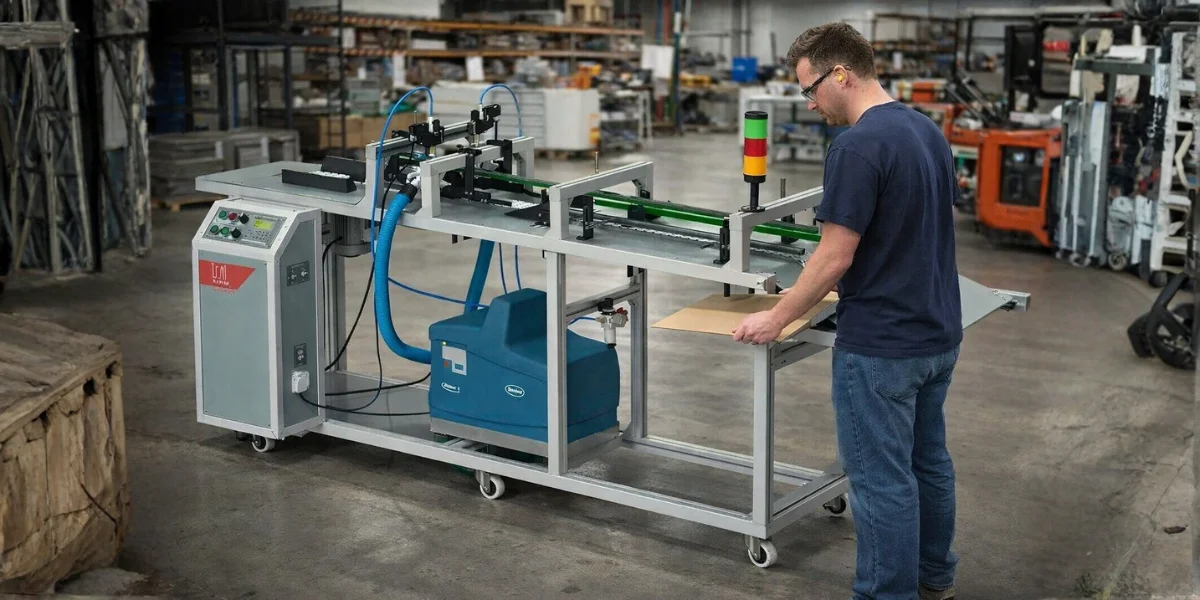
There are several Types Of Hot Melt Glue Sticks designed to handle specific environmental conditions and materials. Common Types Of Hot Melt Glue Sticks include low-melt versions for delicate materials like foam or balloons, and high-melt versions for heavy-duty bonds on wood, metal, or ceramics. Furthermore, specialized sticks like Polyamide hot melts offer superior heat resistance, while Metallocene sticks provide an extremely clean, char-free finish for high-speed packaging lines. Selecting the correct type ensures that the bond can withstand stress, temperature fluctuations, and moisture over the long term.

How Does Hot Melt Glue Work

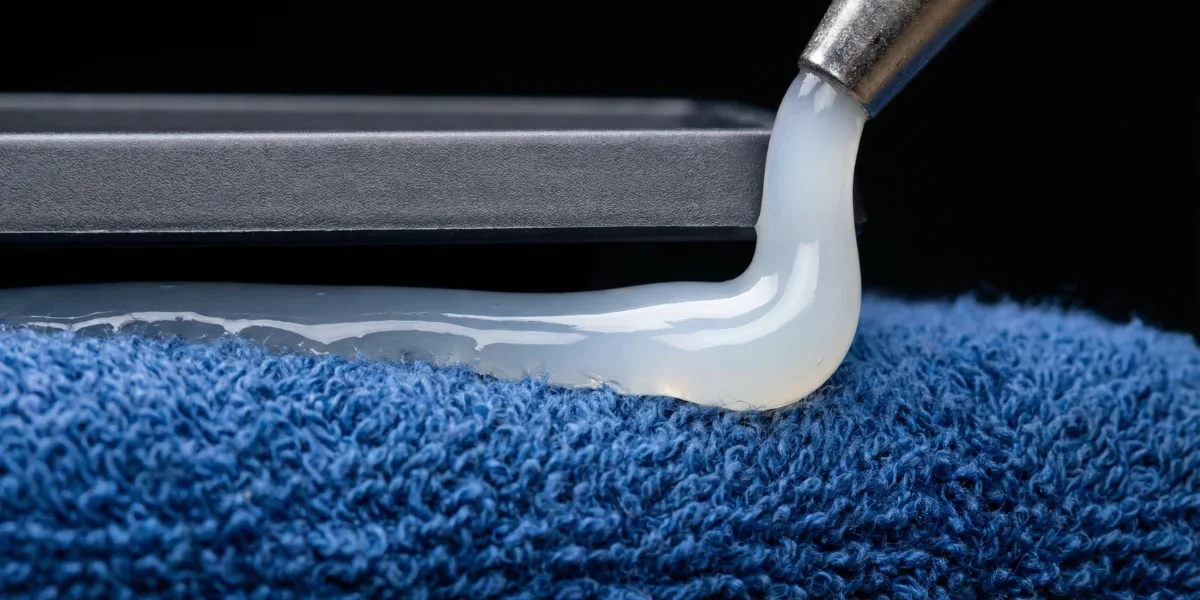
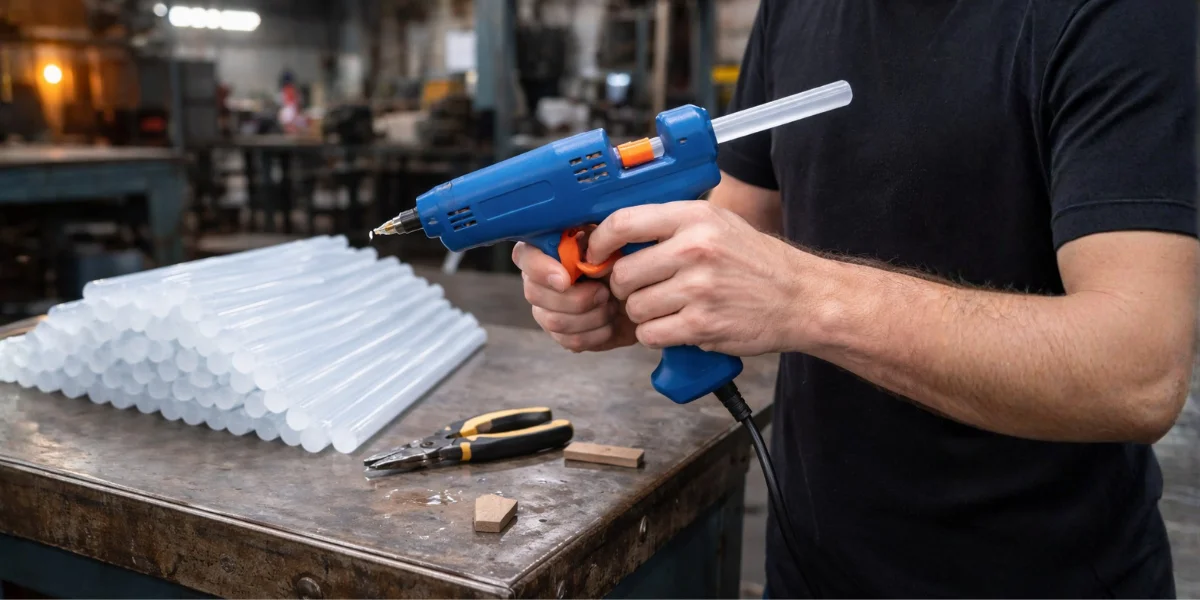
To understand How Does Hot Melt Glue Work, one must look at the process of thermal bonding. How Does Hot Melt Glue Work is simple: as the solid glue stick is pushed through a heated nozzle, it turns into a molten state that flows into the microscopic pores of the substrate. As the heat dissipates, the glue rapidly solidifies, creating a mechanical and chemical bond in seconds. This “instant set” makes it ideal for fast-paced production environments where waiting for water-based glues to dry is not an option, providing a durable and reliable seal.
What Are Hot Melt Glue Sticks Made Of, Hot Melt Glue Composition, Types Of Hot Melt Glue Sticks, How Does Hot Melt Glue Work, Mahisa Packaging

What Are Hot Melt Glue Sticks Made Of ? The Science Behind the Stick

What Are Hot Melt Glue Sticks Made Of ? The Science Behind the Stick
Whether you are a DIY enthusiast, a professional packager, or a school teacher, hot melt glue is likely a staple in your toolkit. We love it because it’s fast, reliable, and strangely satisfying to use. But have you ever paused mid-squeeze to wonder: What are hot melt glue sticks actually made of?
Despite the name, there isn’t actually “glue” in the traditional sense (like animal-based collagen) inside these sticks. Instead, they are a sophisticated blend of thermoplastic polymers and chemical additives.
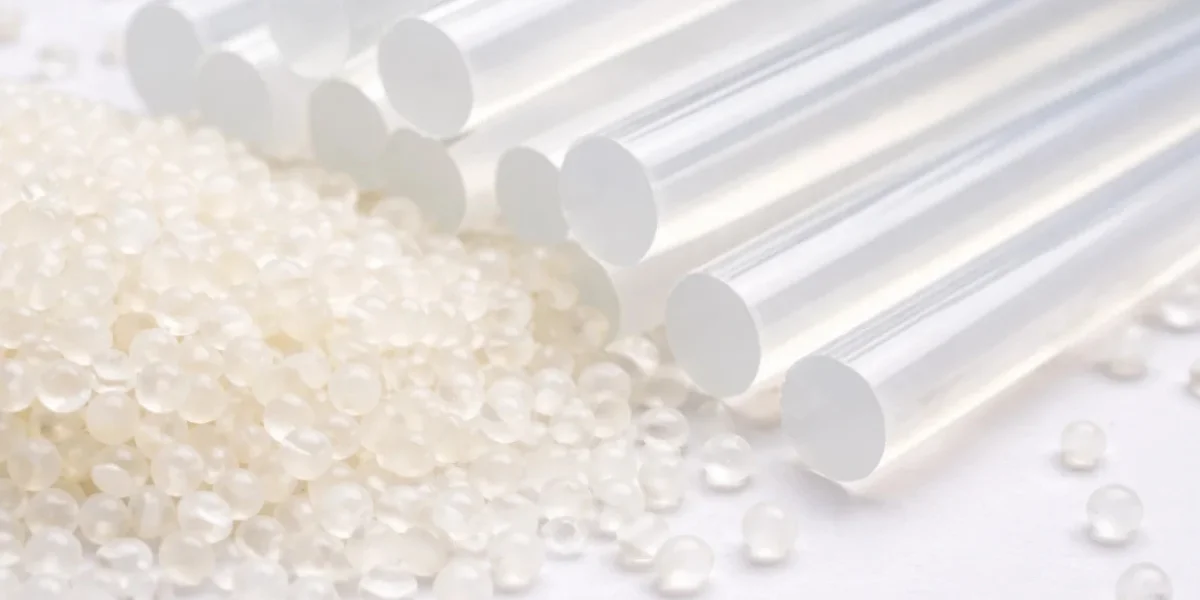
Hot melt glue sticks are primarily made of a base polymer, most commonly Ethylene-Vinyl Acetate (EVA). This base is blended with tackifier resins to provide “stickiness,” and wax to control the glue’s viscosity and setting time. Depending on the application, stabilizers and antioxidants are added to prevent the glue from breaking down under high heat.

The "Big Three" Hot Melt Glue Composition

What Are Hot Melt Glue Sticks Made Of, Hot Melt Glue Composition, Types Of Hot Melt Glue Sticks, How Does Hot Melt Glue Work, Mahisa Packaging
Every hot melt glue stick is a recipe balanced for specific performance. While the exact ratios are often proprietary secrets, almost all sticks consist of three main components:

1. The Base Polymer (The Backbone)

The polymer provides the structural strength and flexibility. It is the “body” of the glue.
1. Ethylene-Vinyl Acetate (EVA):
The most common base for craft and general-purpose sticks. It offers a good balance of strength and ease of use.
2. Polyolefins:
Used for materials that are traditionally hard to bond, like plastics.
3. Polyamides:
Found in high-performance glues designed for extreme temperatures or heavy-duty industrial environments.

2. Tackifier Resins (The "Sticky" Factor)

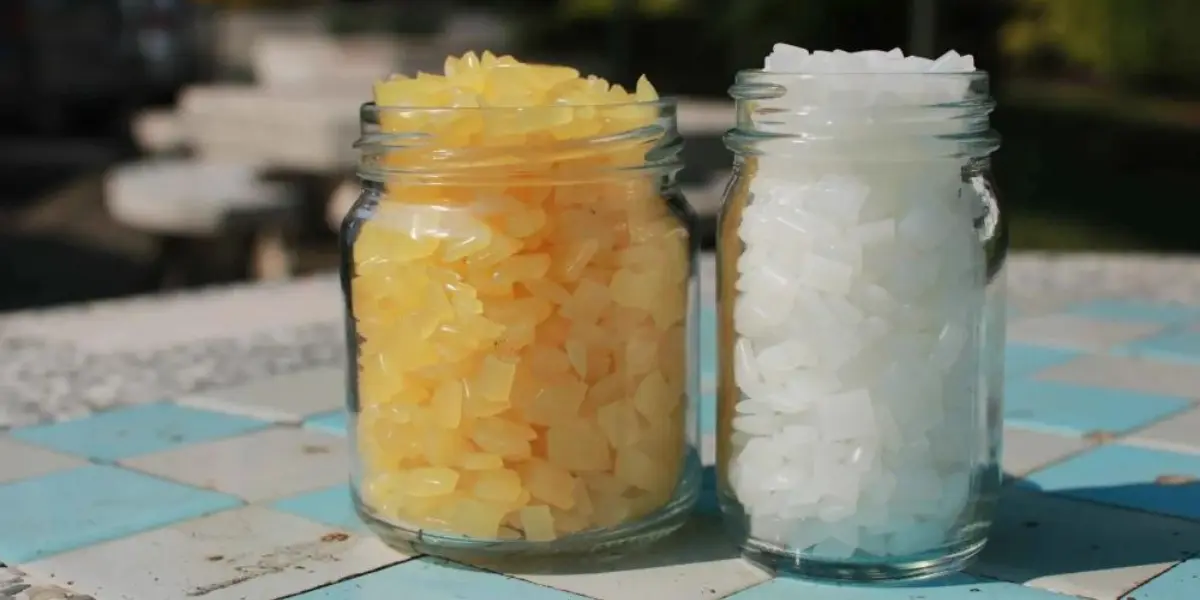
If you just melted a pure polymer, it might be strong, but it wouldn’t “grab” surfaces very well. Tackifiers are added to give the glue its initial “bite” or “green strength.” These resins are often derived from terpenes (wood sources) or petroleum-based hydrocarbons.

3. Wax (The Flow Controller)

Wax is essential for the user experience. It thins the glue when melted so it flows easily through the nozzle and determines the “open time” how long you have to move the pieces before the glue hardens.

How does Hot Melt Glue Work

What Are Hot Melt Glue Sticks Made Of, Hot Melt Glue Composition, Types Of Hot Melt Glue Sticks, How Does Hot Melt Glue Work, Mahisa Packaging
Unlike white glue (PVA), which dries as water evaporates, hot melt glue is a thermoplastic. This means it changes its physical state without changing its chemical composition.
1. Solid State:
At room temperature, the polymers are tangled and rigid.
2. Liquid State:
As the glue gun heats the stick to temperatures between 120°C and 195°C, the polymer chains slide past each other, turning the stick into a viscous liquid.
3. Bonding:
As the liquid cools, the polymers “freeze” back into a solid state, creating a mechanical bond by anchoring into the microscopic pores of the material.

Different Types of Hot Melt Glue Sticks for Different Tasks

Because the ingredients can be swapped, manufacturers create “designer” sticks for specific needs:

Type

Main Ingredient

Best For

General Purpose

EVA

Paper, cardboard, and light wood.

High Strength

Polyamide

Woodworking and automotive repairs.

Low Melt

Specialized EVA

Delicate materials like foam or balloons.

Pressure Sensitive

Rubber-based

Labels and "booger glue" (removable sticks).

Are Hot Melt Glue Sticks Safe?

What Are Hot Melt Glue Sticks Made Of, Hot Melt Glue Composition, Types Of Hot Melt Glue Sticks, How Does Hot Melt Glue Work, Mahisa Packaging
One of the reasons hot melt is so popular is its safety profile compared to solvent-based adhesives.
1. Non-Toxic:
Most sticks are solvent-free and do not emit volatile organic compounds (VOCs).
2. Shelf Stable:
Because they don’t rely on water or solvents, they don’t “dry out” in the package and can last for years.
3. The Main Risk:
The primary danger isn’t chemical it’s thermal. Standard high-temp guns can cause significant burns, which is why “low-melt” versions are preferred for children.

Environmental Impact and Sustainability

As we move toward a greener future, the “petroleum-based” nature of traditional glue sticks has come under scrutiny.
1. Recyclability:
While the glue itself is a plastic, it is often difficult to separate from cardboard during recycling.
2. Bio-based Alternatives:
Some manufacturers are now developing sticks using c and vegetable-derived waxes to reduce the carbon footprint of the product.

Summary: A Masterpiece of Engineering

The humble glue stick is a triumph of polymer science. By blending polymers for strength, resins for stickiness, and wax for flow, chemical engineers have created an adhesive that is safe, fast, and incredibly versatile.
The next time you’re loading your glue gun, you’ll know that you aren’t just using “melted plastic” you’re using a precision-engineered thermoplastic blend.

FAQ's

What is the strongest hot glue stick?

The strongest hot glue sticks are typically made of Polyamide (PA) or Polyurethane (PUR). Polyamide sticks are preferred for industrial use because they offer high heat resistance and exceptional bond strength on tough surfaces. PUR hot melts are unique because they undergo a chemical reaction with moisture in the air to create a permanent, structural bond that cannot be re-melted once cured.

What are the types of hot melt adhesive?

Hot melt adhesives are categorized by their base polymer:

  • EVA (Ethylene Vinyl Acetate): The most common "all-purpose" glue for crafts and packaging.
  • Polyolefin/Metallocene: Known for a clean finish and high thermal stability (less charring).
  • Polyamide: Used for high-temperature environments and heavy-duty bonding.
  • Pressure Sensitive (PSA): Remains tacky even after cooling; often used for labels and tapes.

Is hot melt glue toxic?

Generally, standard hot melt glue is considered non-toxic and safe for skin contact once cooled. However, the primary hazard is the extreme heat during application, which can cause severe burns. While most glue sticks do not emit harmful fumes, it is always recommended to work in a well-ventilated area, especially when using industrial-grade adhesives that may contain specialized chemical additives.

What is hot melt glue?

Hot melt glue is a thermoplastic adhesive that is solid at room temperature and becomes a viscous liquid when heated. Unlike water-based glues that dry through evaporation, hot melt bonds by cooling. This allows for an almost "instant" set time, making it highly efficient for high-speed manufacturing and quick home repairs.

What are the uses of hot melt glue sticks?

Hot melt glue is incredibly versatile and used for:

  • Packaging: Sealing corrugated boxes and shipping cartons.
  • Product Assembly: Securing components in electronics, toys, and appliances.
  • Automotive: Bonding interior trim, headliners, and foam seating.
  • Woodworking: Temporary jigging or bonding furniture components.
  • Bookbinding: Creating the flexible "spine" on softcover books.

Does hot glue gun stick to metal?

Yes, but it requires specific conditions. Because metal is a high-heat conductor, it can "quench" (cool) the glue too quickly, preventing a deep bond. For best results, you should pre-heat the metal surface slightly with a hair dryer or heat gun and use a high-temperature glue stick. Roughing up the metal surface with sandpaper also creates a better mechanical grip.

Can hot melt glue be used for outdoor applications?

Standard EVA glue sticks are not ideal for outdoor use because they can soften in direct sunlight or become brittle in freezing temperatures. For outdoor projects, you should use weather-resistant sticks or high-performance Polyamide glues that are specifically rated to withstand UV exposure and significant temperature fluctuations.

How do you remove hot glue residue from a surface?

The most effective way to remove dried hot glue is by using isopropyl alcohol (70% or higher). Applying a small amount of alcohol to the edges of the glue will break the bond's surface tension, allowing it to "pop" off without damaging the substrate. For delicate fabrics, placing the item in the freezer can make the glue brittle enough to be chipped away.