Which Adhesive Is Best for Tiles
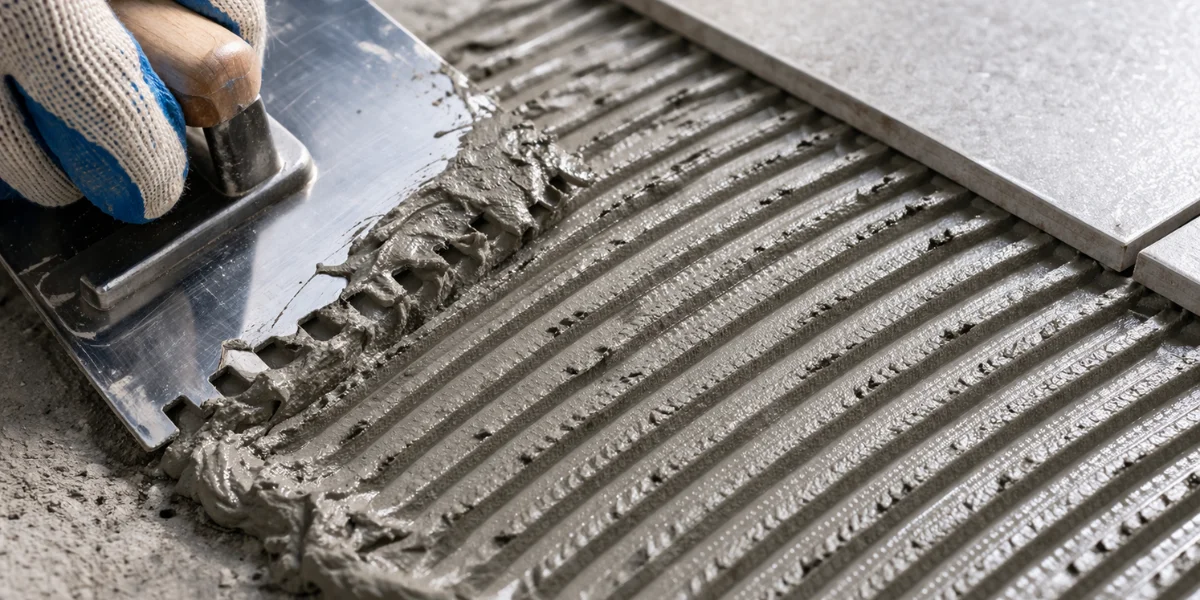
Choosing the right bonding agent depends entirely on the environment and the substrate. For standard ceramic or porcelain, thin-set mortar is the industry standard due to its moisture resistance and structural integrity. However, when asking which adhesive is best for tiles in specialized or industrial settings, polymer-modified options often take the lead. These provide the flexibility needed to prevent cracking during thermal expansion. Ultimately, which adhesive is best for tiles is determined by whether you are working in a high-moisture bathroom or a heavy-traffic commercial floor that requires maximum durability.UV Hot-melt Adhesive
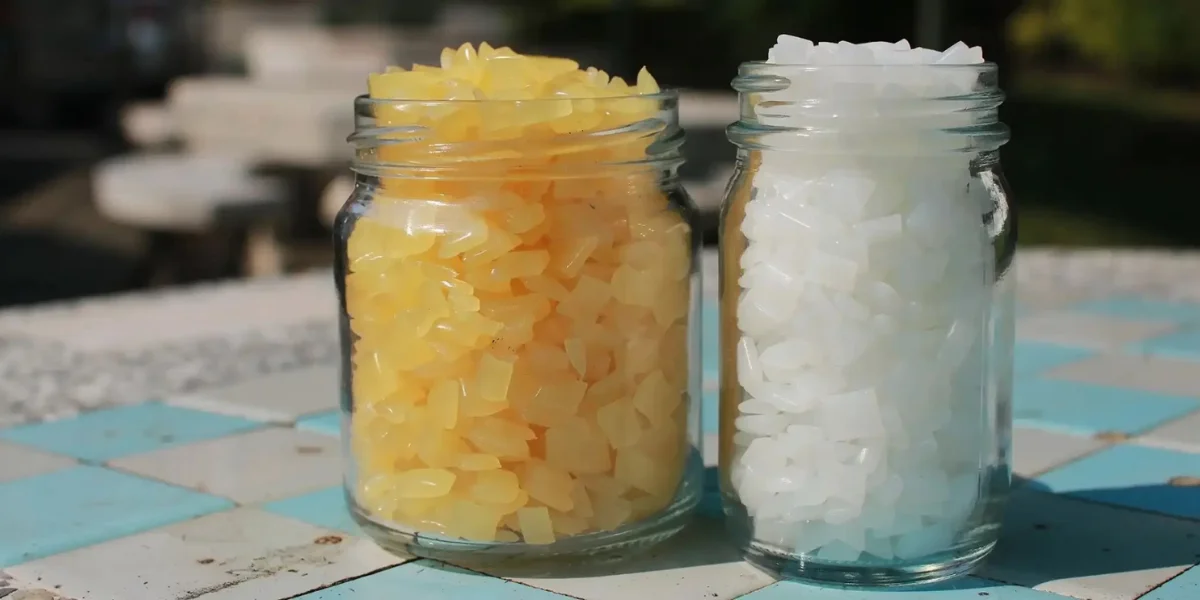
Innovation in industrial bonding has led to the rise of UV hot-melt adhesive, a hybrid technology that combines the instant tack of hot melts with the structural strength of UV curing. This material is applied in a molten state and then exposed to ultraviolet light to trigger cross-linking. Using UV hot-melt adhesive allows manufacturers to achieve rapid production speeds without sacrificing long-term bond stability. It is particularly effective for pressure-sensitive labels and complex electronic assemblies where traditional adhesives might fail under environmental stress or heat exposure over time.Adhesive Bonding Process
Understanding the adhesive bonding process is critical for ensuring structural integrity in any project. It begins with meticulous surface preparation, including cleaning and abrading, to ensure maximum mechanical interlocking. Once the surface is ready, the application phase of the adhesive bonding process involves distributing the material evenly to avoid air pockets or “starved joints.” Following application, the curing or setting time must be strictly observed to allow the chemical or physical change to complete, resulting in a permanent, high-strength connection between the two substrates.Adhesive To Bonding
The transition from a liquid adhesive to bonding a solid structure is a fascinating chemical journey. This transition relies on the adhesive’s ability to wet the surface and flow into microscopic irregularities. When moving from raw adhesive to bonding status, factors like “open time” and “clamping pressure” dictate the final success of the interface. If the adhesive dries too quickly or the surfaces are misaligned, the bond will be compromised. High-quality resins ensure this transition creates a cohesive unit that can withstand significant shear and tensile forces.Hot Melt Adhesive Dispensers
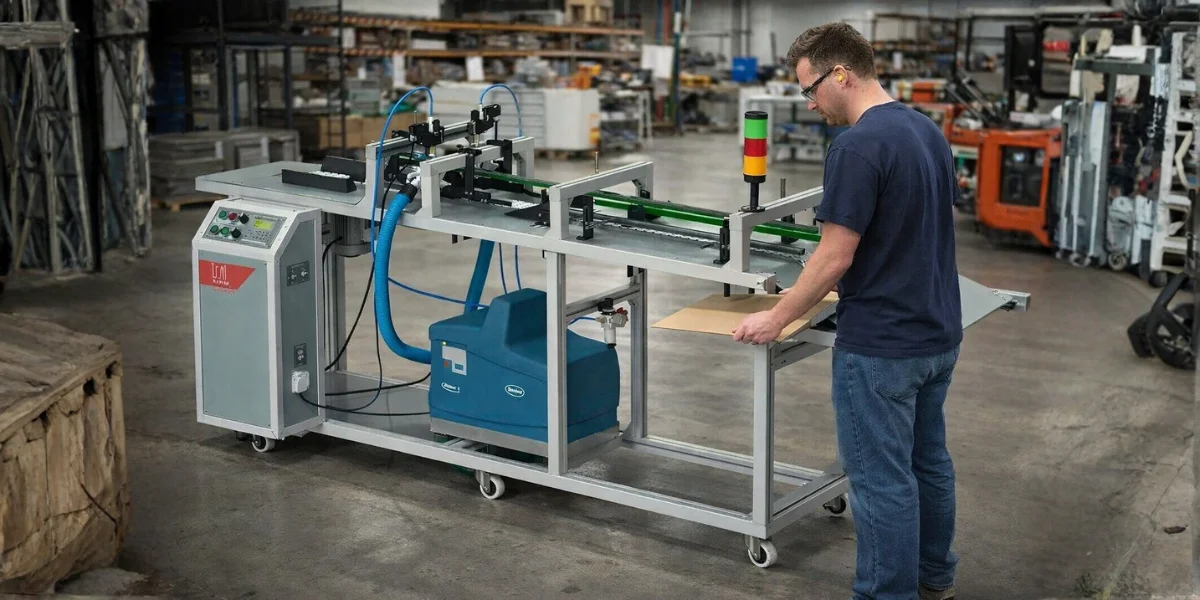
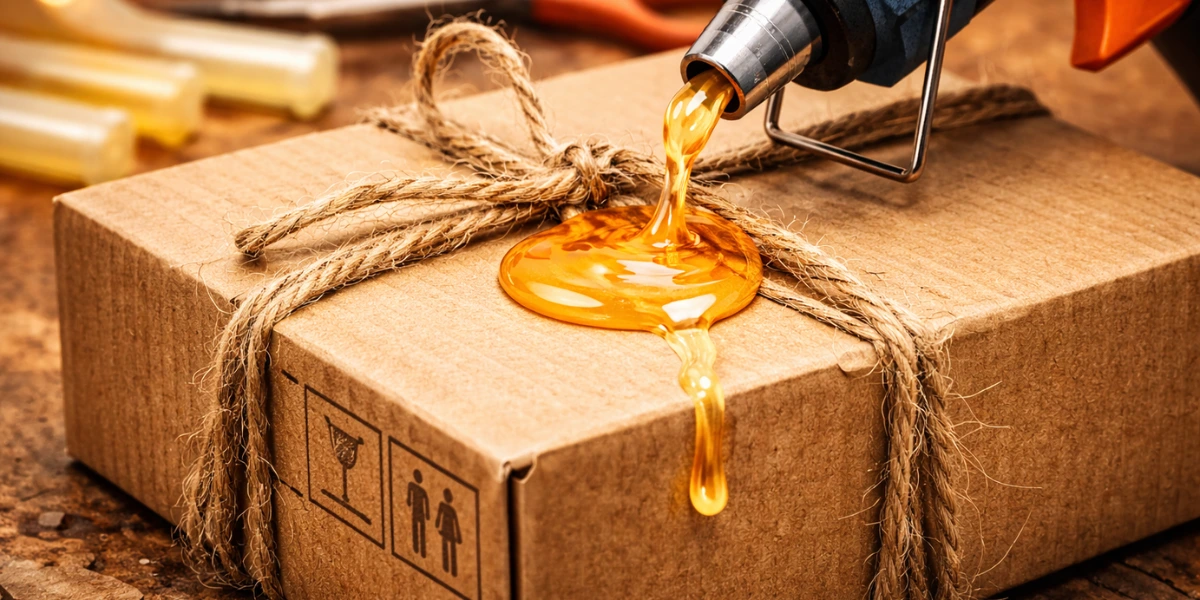
To achieve precision in manufacturing, hot melt adhesive dispensers are indispensable tools. These machines melt solid glue sticks or pellets and apply them at a consistent temperature through ergonomic nozzles. Modern hot melt adhesive dispensers feature adjustable flow controls and anti-drip technology to minimize waste and ensure clean application. Whether used in manual handheld formats for packaging or automated robotic arms for automotive assembly, these dispensers provide the thermal stability required to keep the adhesive at its optimal viscosity for a perfect, instant bond.Types Of Adhesive
There are numerous types of adhesive available today, ranging from natural starches to advanced synthetic polymers. Common categories include water-based glues, solvent-based cements, and reactive systems like epoxies or cyanoacrylates. Each of the different types of adhesive serves a specific niche; for example, hot melts are favored for speed, while polyurethanes are prized for their extreme weather resistance. Selecting the correct type requires analyzing the materials being joined, the expected load, and the environmental conditions the finished product will encounter during its lifespan.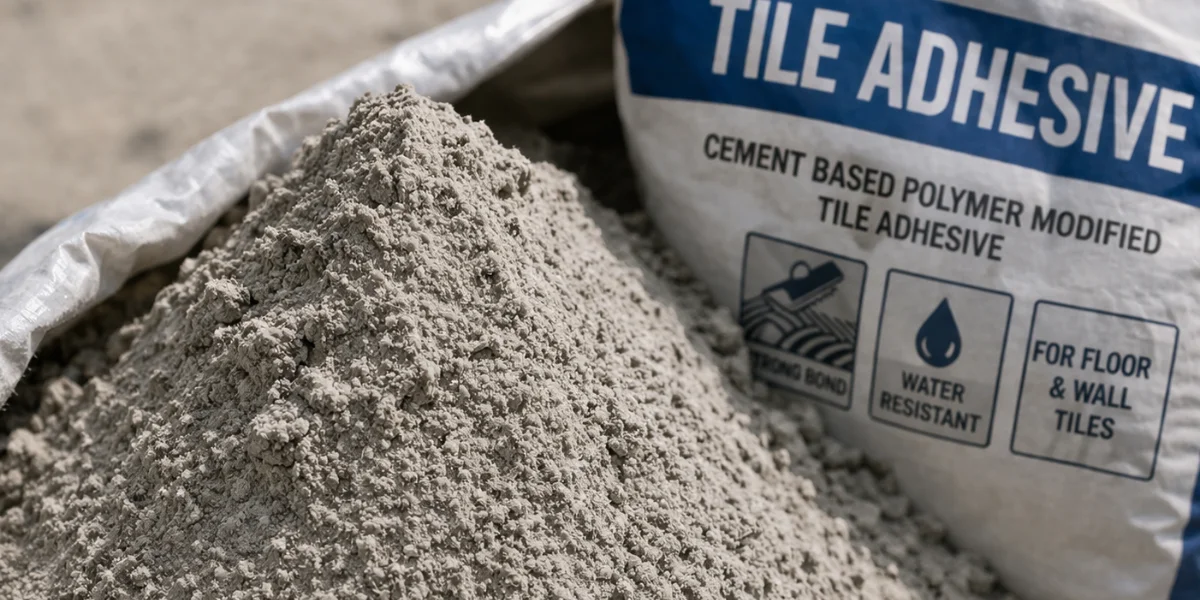
Why Choosing the Right Tile Adhesive Is Important?
Why Choosing the Right Tile Adhesive Is Important?