
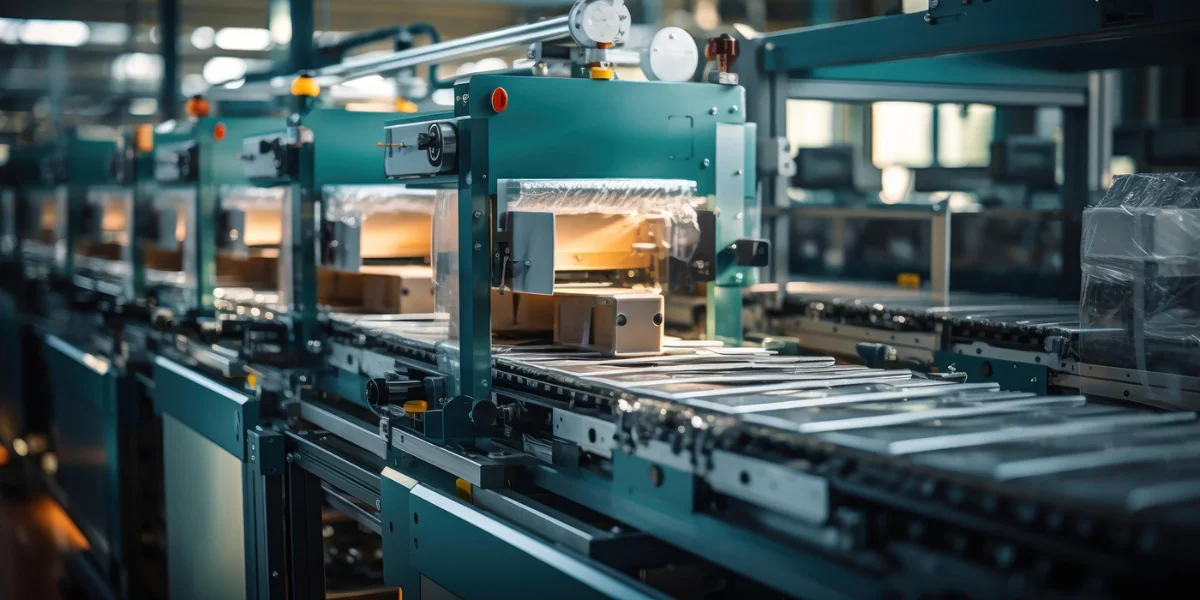
An automatic glue dispensing machine is a game-changer for manufacturing businesses. It enhances efficiency, reduces waste, and ensures precision in adhesive application. If you’re still using manual methods, it’s time to explore how automation can transform your operations.
1. Faster Production Speed
Manual glue application is time-consuming. An automatic adhesive dispensing machine applies glue consistently and quickly, significantly increasing production speed. This means businesses can complete more units in less time, leading to higher revenue.
2. Improved Adhesive Precision
Uneven glue application can compromise product quality. With an automated glue dispensing machine, you achieve exact adhesive placement, reducing material waste and ensuring consistency across products. Precision gluing is crucial for industries that require meticulous adhesive application.
3. Reduced Material Waste
Manual glue application often results in excess adhesive usage. Automated dispensing systems control the flow and quantity of glue, minimizing waste and cutting costs on adhesives.
4. Less Labor Dependency
Hiring skilled labor for precise glue application can be expensive. A glue dispensing automation system reduces the need for manual work, allowing businesses to allocate their workforce to other critical tasks.
5. Enhanced Product Quality
Inconsistent glue application can lead to defective products. Automated glue dispensing systems ensure that each item meets high-quality standards, improving brand reputation and customer satisfaction.
6. Reduced Operator Fatigue
Manual glue application can be physically demanding. Automated glue dispensing equipment eliminates repetitive manual tasks, reducing worker fatigue and the risk of human error.
7. Better Workplace Safety
Handling adhesives manually exposes workers to fumes and skin contact. Automated adhesive dispensing solutions minimize direct contact, creating a safer work environment.
5 Industries That Benefit the Most from Automatic Glue Dispensing Machines
1. Automotive Industry
The automotive glue dispensing system plays a crucial role in vehicle assembly, ensuring strong bonds in components like windshields, dashboards, and interiors.
2. Electronics Manufacturing
In the electronics industry, precise glue application is essential for circuit boards, display panels, and microchips, making automated adhesive application machines invaluable.
3. Packaging Industry
Automated glue dispensers for packaging help seal boxes, labels, and cartons efficiently, increasing output and reducing adhesive costs.
4. Medical Device Manufacturing
Medical tools and devices require sterile and precise assembly. Automatic glue dispensers for medical devices ensure accuracy and hygiene compliance.
5. Woodworking and Furniture Industry
In furniture production, woodworking glue dispensing systems provide even glue distribution for better durability and finish quality.
Automatic vs. Manual Glue Dispensing: Which One is Right for You?
If you’re unsure whether to invest in automated glue dispensing technology, consider the following comparisons:
• Precision:
Automated glue dispensers provide uniform application, while manual methods are inconsistent.
• Speed:
Automated adhesive application systems work faster than manual glue application.
• Cost:
Manual application may seem cheaper initially, but automated glue dispensers reduce long-term expenses.
• Flexibility:
Automated dispensing machines adapt to various adhesives and applications, while manual methods may require constant adjustments.
• Use of hot glue:
Hot melt adhesives require precise temperature control, which automated glue dispensers can manage effectively, ensuring strong and durable bonds.
7 Maintenance Tips to Keep Your Automatic Glue Dispensing Machine Running Smoothly
1. Regular Cleaning
Dried adhesive buildup can clog nozzles. Clean your automatic adhesive dispenser daily to maintain smooth operation.
2. Check for Leaks
Inspect hoses and seals regularly to prevent adhesive leaks, which can lead to wastage and equipment damage.
3. Lubricate Moving Parts
Ensure all moving components in your automated glue dispensing system are well-lubricated to prevent wear and tear.
4. Monitor Adhesive Viscosity
Using adhesives with inconsistent viscosity can affect application quality. Use adhesives that match your automatic glue application system’s specifications.
5. Inspect Sensors and Nozzles
Malfunctioning sensors can cause improper glue application. Regularly check and calibrate sensors and nozzles for accuracy.
6. Follow Manufacturer’s Guidelines
Each glue dispensing machine has specific maintenance requirements. Follow the manufacturer’s recommendations for best performance.
7. Train Your Team
Ensure operators know how to use and maintain the automated glue dispensing system to maximize efficiency and longevity.
How to Choose the Right Automatic Glue Dispensing Machine for Your Business
1. Consider Your Production Needs
Assess your volume and adhesive type. High-speed industries need high-capacity industrial glue dispensing machines.
2. Evaluate Adhesive Compatibility
Ensure the automated glue dispenser works with your adhesive type (e.g., hot melt, UV-cured, or water-based adhesives). Glue machines should be chosen based on the type of adhesives your production process requires.
3. Look at Nozzle and Application Methods
Choose a machine with the right nozzle size and application method (spray, bead, or dot) for your product.
4. Check for Customization Options
Some businesses require customized glue application automation systems to meet unique needs.
5. Consider After-Sales Support
Ensure the manufacturer provides technical support, training, and spare parts for long-term use.
Conclusion
Investing in an automatic glue dispensing machine or a hot melt adhesive machine can revolutionize your production process, improving speed, efficiency, and product quality. Whether you’re in automotive manufacturing, electronics, or packaging, automation offers a competitive advantage. By following proper maintenance practices and choosing the right system, businesses can maximize the benefits of automated adhesive application.
Upgrade your production line today and experience the difference an automated glue dispensing solution can make!
FAQs
Automatic glue dispensing machines are versatile and can handle a variety of adhesives, including:
• Epoxies: Ideal for strong bonding and sealing applications.
• Silicones: Used for their flexibility and resistance to temperature extremes.
• Polyurethanes: Suitable for applications requiring durability and elasticity.
• Hot Melt Adhesives: Common in packaging and woodworking due to their quick setting times.
It’s crucial to ensure that the selected adhesive is compatible with your specific dispensing equipment to maintain optimal performance.
Selecting the appropriate needle size is vital for achieving precise adhesive application:
• Needle Diameter: A larger diameter may result in excessive adhesive flow, leading to overflow, while a smaller diameter might restrict flow, causing inconsistent application.
• Viscosity Considerations: High-viscosity adhesives may require larger needles, whereas low-viscosity adhesives can be dispensed through smaller needles.
Assessing your adhesive’s properties and the desired application precision will guide you in selecting the correct needle size.
Operators may encounter several challenges:
• Inconsistent Dispensing Volume: Often caused by unstable air pressure or variations in adhesive viscosity. Ensuring consistent pressure and maintaining adhesive quality can mitigate this issue.
• Slow Flow Rate: Factors such as clogged nozzles or inappropriate temperature settings can slow the dispensing rate. Regular maintenance and correct temperature control are essential.
• Glue Jams: Typically result from excessive moisture or repeated use of instant glue. Using fresh adhesive and proper storage can prevent jams.
Regular maintenance and adherence to manufacturer guidelines are key to minimizing these problems.
To maintain high-quality adhesive application:
• Automated Verification: Implement machine vision systems to monitor and verify adhesive placement in real-time.
• Regular Calibration: Ensure dispensing equipment is calibrated periodically to maintain accuracy.
• Operator Training: Provide comprehensive training to operators on best practices and troubleshooting techniques.
These measures help in achieving consistent and reliable adhesive application.
Proper maintenance extends the lifespan of your equipment:
• Routine Cleaning: Prevent nozzle clogs by cleaning dispensing components regularly.
• Inspection of Parts: Regularly check seals, hoses, and other components for wear and tear.
• Lubrication: Keep moving parts well-lubricated to ensure smooth operation.
Following the manufacturer’s maintenance guidelines is crucial for optimal performance.
Consider the following factors when choosing a machine:
• Adhesive Compatibility: Ensure the machine can handle the specific type of adhesive you intend to use.
• Dispensing Volume: Match the machine’s capacity to your production requirements.
• Precision Requirements: For applications requiring high accuracy, select a machine with precise control features.
• Integration Capabilities: Ensure the machine can integrate seamlessly into your existing production line.
Evaluating these aspects will help in selecting a machine that aligns with your production needs.
Yes, many automated dispensing machines are designed to handle high-viscosity adhesives. Features such as dynamic mixing and robust pump systems enable precise dispensing of thicker materials.
Mixing methods are crucial for two-component adhesives:
• Static Mixing: Utilizes a stationary mixer; suitable for adhesives with longer pot life.
• Dynamic Mixing: Employs mechanical agitation; ideal for high-viscosity adhesives requiring thorough mixing.
Choosing the appropriate mixing method ensures optimal adhesive performance.
Automation offers several benefits:
• Consistency: Delivers uniform adhesive application, reducing variability.
• Efficiency: Increases production speed and reduces manual labor.
• Quality Control: Enhances precision, leading to higher-quality products.
Implementing automation streamlines operations and improves overall productivity.
Yes, different industries have unique requirements:
• Electronics: Requires precise micro-dispensing for small components.
• Automotive: Demands high-strength bonding for durability.
• Medical Devices: Necessitates biocompatible adhesives and sterile processes.
Related BLOG

Follow Us