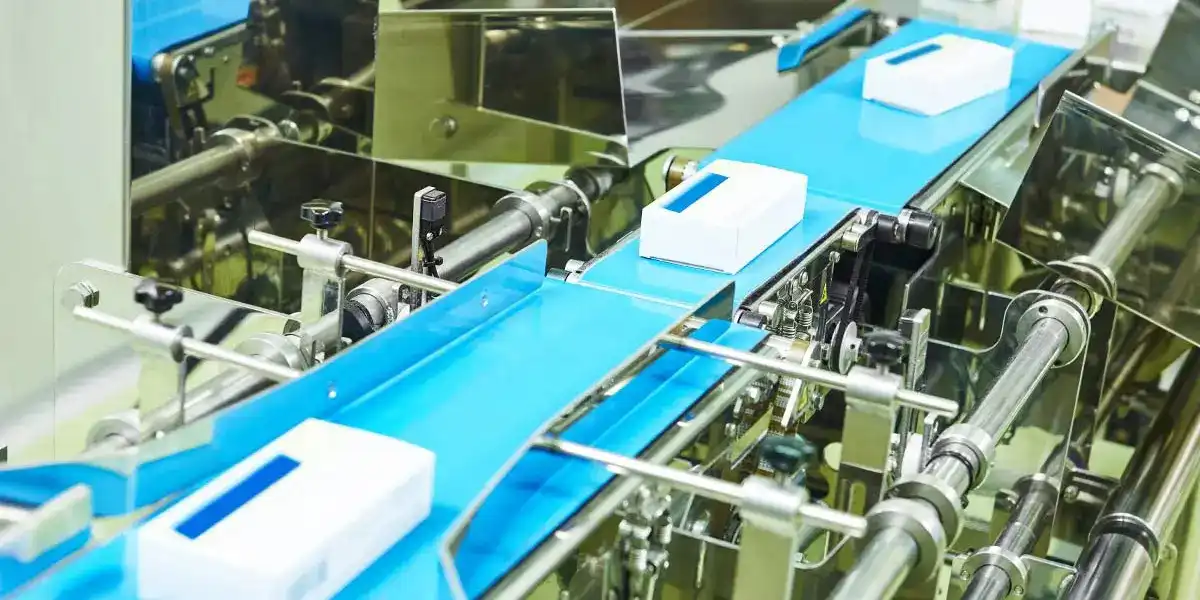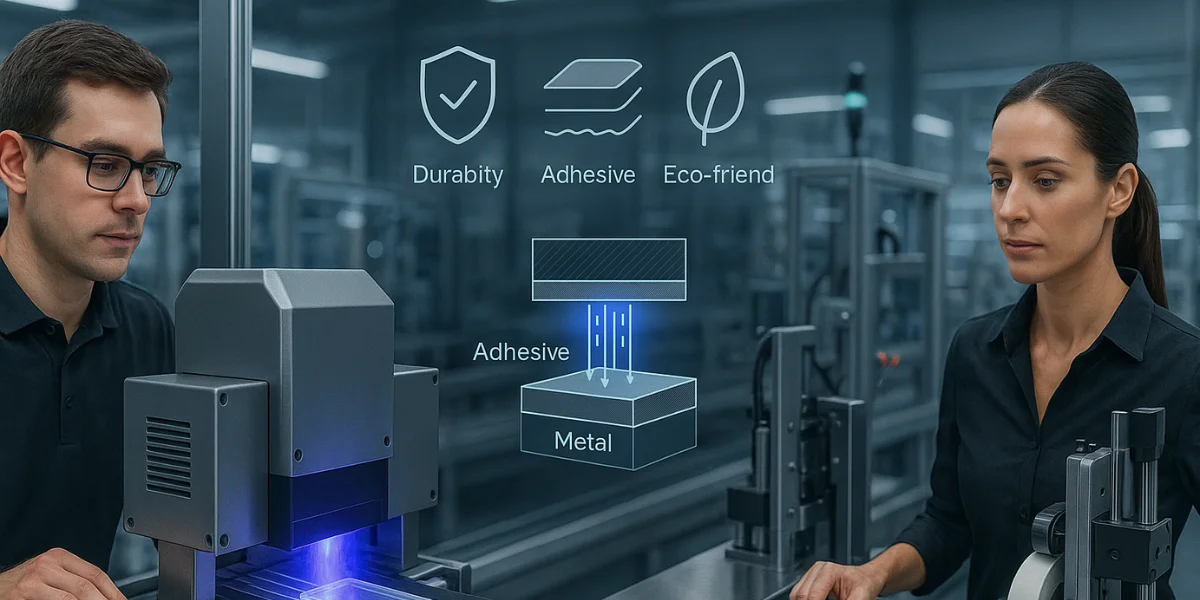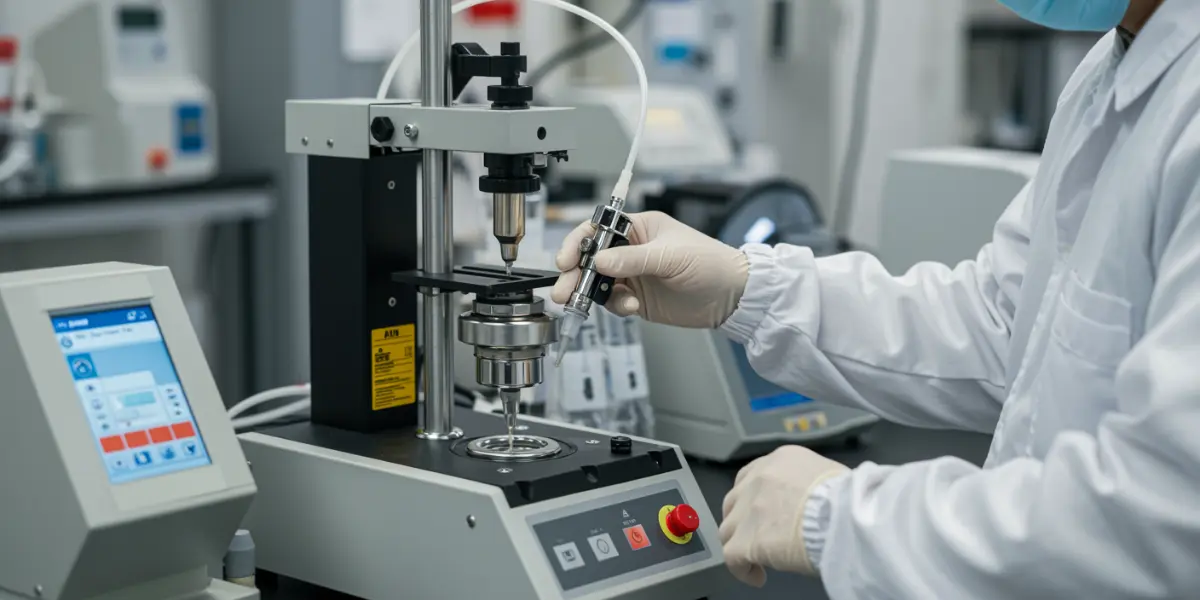
Hot melt adhesives are widely used across industries because they provide fast bonding, clean application, and excellent production efficiency. However, even the best adhesive cannot deliver consistent performance without proper testing. Hot melt adhesive testing ensures that the adhesive, dispensing equipment, and application process work together to produce durable and reliable bonds every time.
Whether you are in packaging, woodworking, product assembly, automotive, electronics, or consumer goods manufacturing, testing helps prevent bond failures, reduce material waste, and improve production quality. At Mahisa Packaging, we believe that selecting the right adhesive is only one part of the equation. Regular testing and optimized Adhesive dispensing systems are equally important for achieving maximum efficiency and consistent results.
What is Hot Melt Adhesive Testing?
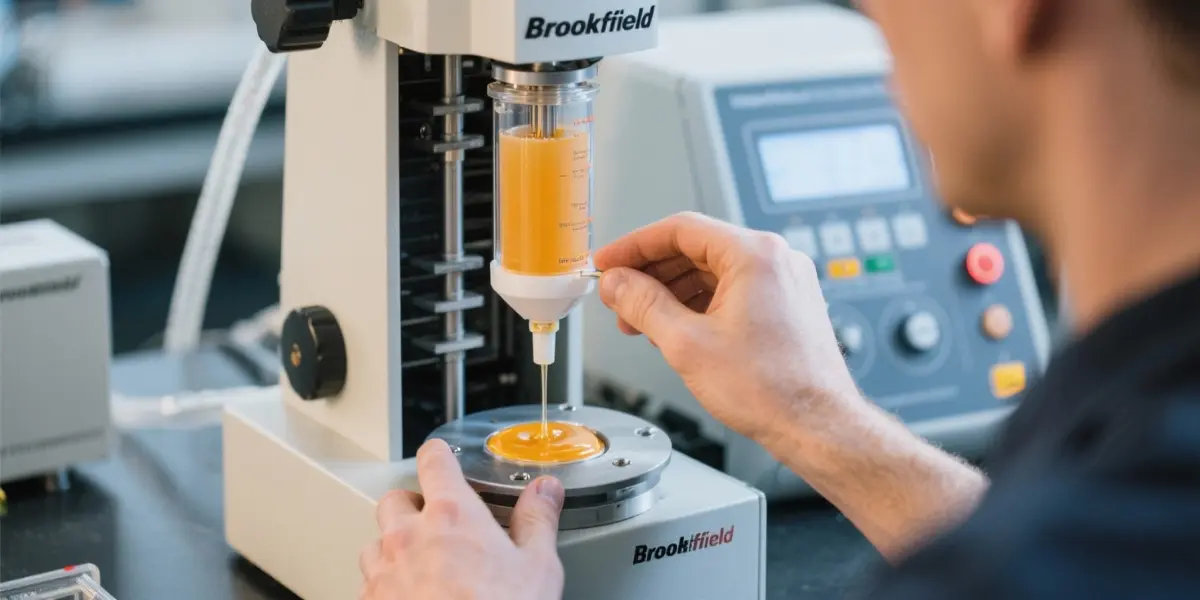
Hot melt adhesive testing is the process of evaluating an adhesive’s physical, mechanical, and application properties before it is used in production. The objective is to ensure the adhesive performs consistently under real operating conditions.
Testing helps manufacturers determine:
1. Bond strength
2. Adhesion to different materials
3. Heat resistance
4. Cold resistance
5. Open time
6. Setting time
7. Viscosity
8. Durability under stress
9. Machine compatibility
Proper testing minimizes production downtime, improves packaging quality, and reduces adhesive consumption.
Hot melt adhesive testing is used to evaluate bonding strength, viscosity, durability, and application performance before adhesives are used in manufacturing.
Manufacturers test hot melt adhesives to ensure consistent product quality, reduce bonding failures, and improve production efficiency.
Packaging, woodworking, automotive, electronics, textiles, furniture, and consumer goods industries commonly use hot melt adhesive testing.
Yes. Testing helps manufacturers identify application issues early, resulting in stronger bonds and fewer defective products.
Yes. Proper testing minimizes adhesive waste, lowers product rejection rates, and reduces equipment downtime.
Yes. Automated systems require consistent adhesive performance, making regular testing essential for reliable production.
Why Hot Melt Adhesive Testing Matters
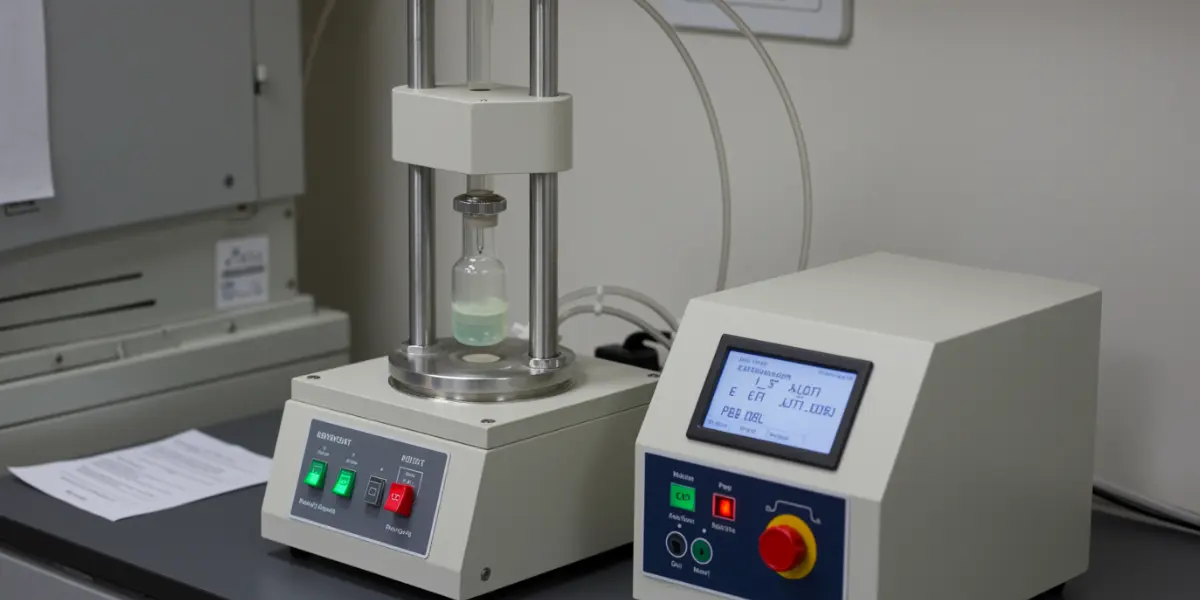
Even premium hot melt adhesives can fail if they are applied incorrectly or used on incompatible materials. Testing identifies potential problems before they affect production.
Ensures Strong Bond Strength
Testing verifies that the adhesive creates a reliable bond capable of handling transportation, storage, and daily use.
Improves Production Efficiency
When adhesives perform consistently, manufacturers experience fewer machine stoppages, faster packaging lines, and lower rejection rates.
Reduces Material Waste
Correct adhesive selection and testing prevent over-application, reducing adhesive consumption while maintaining excellent bonding performance.
Supports Product Quality
High-quality adhesive bonding enhances packaging appearance, product safety, and customer satisfaction.
Prevents Costly Failures
Testing helps identify bonding issues before products reach customers, avoiding returns and production losses.
Testing verifies that the adhesive performs consistently under different operating conditions, ensuring dependable bonding.
Yes. It identifies bonding weaknesses before products are shipped, reducing the risk of package failures.
Yes. Consistent adhesive performance reduces machine interruptions and speeds up production.
Quality control ensures every product receives the correct adhesive amount for consistent performance.
Yes. Better bonding quality leads to fewer product failures and improved customer satisfaction.
Testing should be performed during product development, machine setup, material changes, and routine quality inspections.
Important Tests Performed on Hot Melt Adhesives
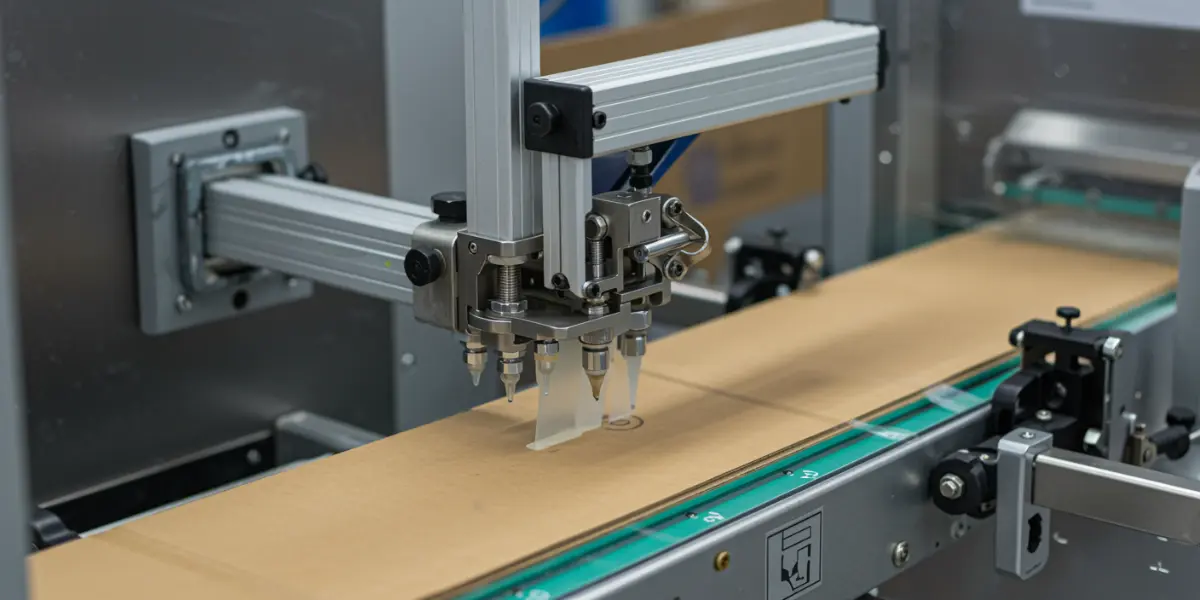
Different industries require different performance characteristics. The following tests are commonly used to evaluate adhesive quality.
1. Viscosity Testing
Viscosity measures how easily molten adhesive flows through dispensing equipment.
Proper viscosity ensures:
1. Smooth dispensing
2. Uniform glue application
3. Minimal nozzle clogging
4. Consistent bead formation
Adhesives with incorrect viscosity may cause excessive consumption or weak bonding.
2. Bond Strength Testing
This test determines how much force is required to separate bonded materials.
Common methods include:
1. Tensile testing
2. Peel testing
3. Shear testing
These tests confirm whether the adhesive can withstand actual working conditions.
3. Open Time Testing
Open time measures how long adhesive remains workable after application before losing its bonding capability.
Industries with manual assembly require longer open times, while automated packaging often needs faster setting adhesives.
4. Setting Time Evaluation
Setting time determines how quickly the adhesive develops handling strength.
Fast setting times improve production speed while maintaining secure bonding.
5. Heat Resistance Testing
Products may experience high temperatures during transportation or storage.
Heat resistance testing ensures the adhesive maintains bond integrity without softening excessively.
6. Cold Resistance Testing
Cold environments can make some adhesives brittle.
Testing verifies that bonds remain flexible and secure even at lower temperatures.
7. Aging and Durability Testing
Long-term testing evaluates adhesive performance after prolonged exposure to:
1. Heat
2. Humidity
3. UV light
4. Mechanical stress
5. Environmental conditions
This helps predict long-term reliability.
Viscosity testing measures how easily molten adhesive flows during application.
Peel strength testing evaluates how well an adhesive resists separation when pulled from bonded surfaces.
Shear testing measures an adhesive’s ability to withstand forces acting parallel to the bonded surface.
Tensile testing determines the force required to pull bonded materials apart.
It checks whether adhesive bonds remain effective under high or low temperatures.
Durability testing evaluates long-term adhesive performance under environmental and mechanical stress.
Materials Commonly Tested with Hot Melt Adhesives
Hot melt adhesives are used across numerous substrates. Testing ensures compatibility between adhesive and material.
Common materials include:
1. Corrugated boxes
2. Paperboard
3. Plastic
4. Metal
5. Wood
6. Fabric
7. Foam
8. Composite materials
9. Laminated packaging
Each material has unique surface characteristics that influence adhesive performance.
Yes. Many hot melt adhesives are formulated specifically for different types of plastics.
Yes. They are widely used for sealing and assembling corrugated packaging.
Yes. Testing ensures proper adhesion depending on the metal type and surface preparation.
Yes. Surface texture, porosity, and composition influence adhesive selection.
Some multi-purpose hot melt adhesives can bond different materials, but testing is recommended.
Compatible materials produce stronger, longer-lasting adhesive bonds.
Industries That Benefit from Hot Melt Adhesive Testing
Hot melt adhesive testing plays a vital role across many manufacturing sectors.
Packaging Industry
Packaging manufacturers depend on consistent adhesive performance for:
1. Carton sealing
2. Corrugated box manufacturing
3. Folding cartons
4. E-commerce packaging
5. Food packaging
Reliable testing ensures packages remain securely sealed throughout the supply chain.
Automotive Manufacturing
Automotive applications require adhesives capable of handling vibration, temperature fluctuations, and long service life.
Testing confirms durability under demanding operating conditions.
Furniture and Woodworking
Furniture manufacturers require adhesives that provide strong structural bonds while maintaining aesthetic finishes.
Testing helps optimize bonding strength across various wood types.
Electronics Manufacturing
Sensitive electronic components require precise adhesive dispensing.
Testing ensures clean application without damaging delicate parts.
Bookbinding and Printing
Printing applications require adhesives that offer flexibility while maintaining page integrity over time.
It ensures cartons remain securely sealed during transportation and storage.
Testing improves bonding quality for wood panels, laminates, and assembled furniture.
Yes. It ensures precise adhesive application without damaging delicate components.
Testing confirms adhesives can withstand vibration, heat, and long-term mechanical stress.
Yes. It helps ensure pages remain securely bound over time.
Yes. It helps verify packaging integrity while maintaining production efficiency.
Factors That Affect Hot Melt Adhesive Performance
Several variables influence adhesive quality beyond the adhesive formulation itself.
Surface Preparation
Clean surfaces improve bonding significantly.
Dust, oil, moisture, and contaminants reduce adhesion.
Application Temperature
Each adhesive has an ideal operating temperature.
Excessive heat may degrade adhesive properties, while insufficient heat reduces flow characteristics.
Adhesive Quantity
Applying too much adhesive increases costs without improving strength.
Too little adhesive creates weak bonds.
Precision dispensing systems solve this challenge.
Compression Time
Adequate pressure during bonding allows adhesive to spread evenly and develop maximum strength.
Environmental Conditions
Humidity and temperature can influence adhesive behavior during application.
Proper testing simulates actual production environments.
Yes. Dust, oil, and moisture significantly reduce bonding performance.
Correct temperature maintains proper viscosity and application consistency.
Yes. Overapplication can create messy bonds without improving strength.
High humidity can affect certain substrates and reduce bonding consistency.
Pressure helps the adhesive spread evenly and create stronger bonds.
Yes. Improper dispensing settings may cause uneven application and weak bonding.
How Precision Dispensing Improves Testing Results
Testing alone cannot guarantee consistent production.
Industrial adhesive dispensing equipment plays a critical role by delivering:
1. Accurate adhesive quantity
2. Stable application temperature
3. Uniform glue beads
4. Repeatable production quality
Modern dispensing systems significantly reduce operator variation and improve production consistency.
Mahisa Packaging develops industrial hot melt adhesive dispensing systems designed to deliver accurate glue application across multiple industries. Their solutions help businesses reduce adhesive waste while improving productivity and packaging quality.
They ensure accurate adhesive placement and consistent bond quality.
Yes. Precision equipment applies only the required amount of adhesive.
They eliminate manual variations in adhesive application.
Yes. Uniform adhesive application produces cleaner and stronger packaging.
Yes. Stable dispensing reduces clogging and application errors.
It increases productivity, improves adhesive control, and lowers operating costs.
Best Practices for Hot Melt Adhesive Testing
To achieve reliable results, manufacturers should follow a structured testing process.
Test under actual production conditions
Laboratory results should closely replicate real manufacturing environments.
Use production-grade dispensing equipment
Machine performance directly affects adhesive consistency.
Monitor adhesive temperature regularly
Stable temperatures maintain proper viscosity.
Evaluate multiple substrates
Different materials may require different adhesive formulations.
Perform periodic quality checks
Routine testing helps identify changes before production problems occur.
Record testing data
Historical data supports continuous process improvement.
Choosing the Right Hot Melt Adhesive Partner
Selecting the right adhesive supplier involves more than purchasing adhesive products.
Look for a partner that provides:
1. Technical support
2. Adhesive compatibility guidance
3. Dispensing equipment expertise
4. Process optimization
5. Testing recommendations
6. After-sales service
Mahisa Packaging combines decades of experience in industrial adhesive dispensing with customized automation solutions that help manufacturers improve productivity, reduce waste, and achieve consistent adhesive application across packaging and assembly operations.
Conclusion
Hot melt adhesive testing is essential for manufacturers seeking higher productivity, lower operational costs, and superior product quality. By evaluating viscosity, bond strength, heat resistance, durability, and application performance, businesses can ensure every adhesive bond meets production standards.
When combined with precision dispensing equipment and expert technical support, proper testing creates a more reliable manufacturing process, minimizes downtime, and delivers long-term cost savings.
Whether you’re upgrading an existing production line or implementing a new adhesive application process, investing in comprehensive hot melt adhesive testing is one of the smartest decisions for consistent manufacturing success.
FAQ's
The ideal temperature depends on the adhesive formulation, but most industrial hot melt adhesives are applied between 120°C and 180°C.
By selecting the right adhesive, maintaining dispensing equipment, and performing regular adhesive testing.
Common causes include incorrect temperature, contaminated surfaces, insufficient adhesive application, and incompatible substrates.
Yes. Testing helps optimize adhesive quantity and application methods, reducing unnecessary consumption.
Many modern hot melt adhesives are solvent-free and produce lower emissions, making them a more sustainable bonding solution.
Mahisa Packaging offers advanced hot melt adhesive dispensing systems, customized automation solutions, expert technical support, and reliable equipment designed to improve manufacturing efficiency and adhesive application accuracy.