Whether you are repairing a broken household appliance, working on an automotive modification, or fabricating a custom DIY project, you will eventually encounter a specific engineering headache: bonding dissimilar materials.
Before you buy a product, it is important to understand why these two-materials resist sticking to one another. Finding an adhesive to stick plastic to metal is difficult because of three opposing forces:
Steel and plastic react to heat and cold very differently. Steel is relatively stable; it expands and contracts with temperature changes, but minimally. Plastic, however, moves significantly. It has a high coefficient of thermal expansion.
If you leave a bonded part in the sun or a cold garage, the plastic will expand or shrink much faster than the steel. If the adhesive is too brittle (like standard super glue), the stress caused by this movement will snap the bond line. You need an adhesive with a degree of flexibility (elongation) to absorb this movement.
This is the most technical hurdle in the adhesive bonding process. Steel has high surface energy, meaning liquids (and glues) love to spread out over it. This is good for bonding.
Before choosing a steel to plastic adhesive, you must know what kind of plastic you are working with. Steel is generally easy to bond to provided it is clean, but plastic is the variable.
• ABS:
Used in Lego bricks, car interiors, and 3D printing.
• PVC:
White plumbing pipes.
• Polycarbonate:
Safety glasses, tough clear plastics.
• Polyethylene (PE) & HDPE:
Milk jugs, plastic buckets, storage bins.
• Polypropylene (PP):
Tupperware, automotive bumpers, bottle caps.
• Teflon (PTFE):
Non-stick surfaces.
If you don’t know what plastic you have, clean a spot and place a single drop of water on it.
1. If the water spreads out into a puddle:
You likely have a high-energy plastic (ABS, PVC). Standard adhesive for bonding metals will work well here.
2. If the water remains a perfect, tight bead:
You have an LSE plastic (PP, PE). You will need a specialized product designed specifically for these materials, or a primer.
Once you know your materials, you can select the chemistry that fits your project. Here are the five best categories of adhesive for this specific job.
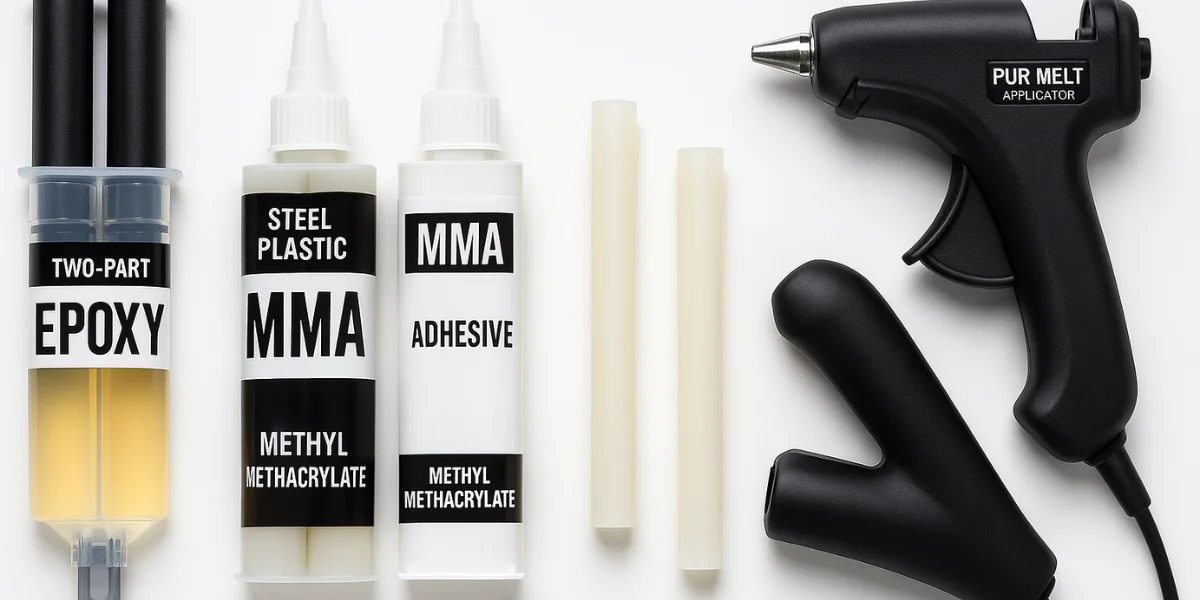
For most heavy-duty repairs involving steel and “easy” plastics (ABS, PVC, Polycarbonate), a two-part epoxy is the gold standard adhesive for bonding.
• Pros:
Extremely high structural strength; fills gaps if the steel and plastic don’t fit perfectly; widely available.
• Cons:
Can be brittle; long cure times; distinct smell.
MMAs are structurally aggressive. They don’t just sit on top of the plastic; they chemically fuse with the top layer. They adhere brilliantly to metals, often even cutting through thin layers of oil or grease on steel.
• Pros:
Highest impact resistance; handles temperature changes well; requires less surface prep than epoxy.
• Cons:
Very strong, pungent odour (requires good ventilation); more expensive than standard epoxy.
• Pros:
Fast set time (seconds); excellent for manufacturing or assembly where clamping isn’t possible; good flexibility.
• Cons:
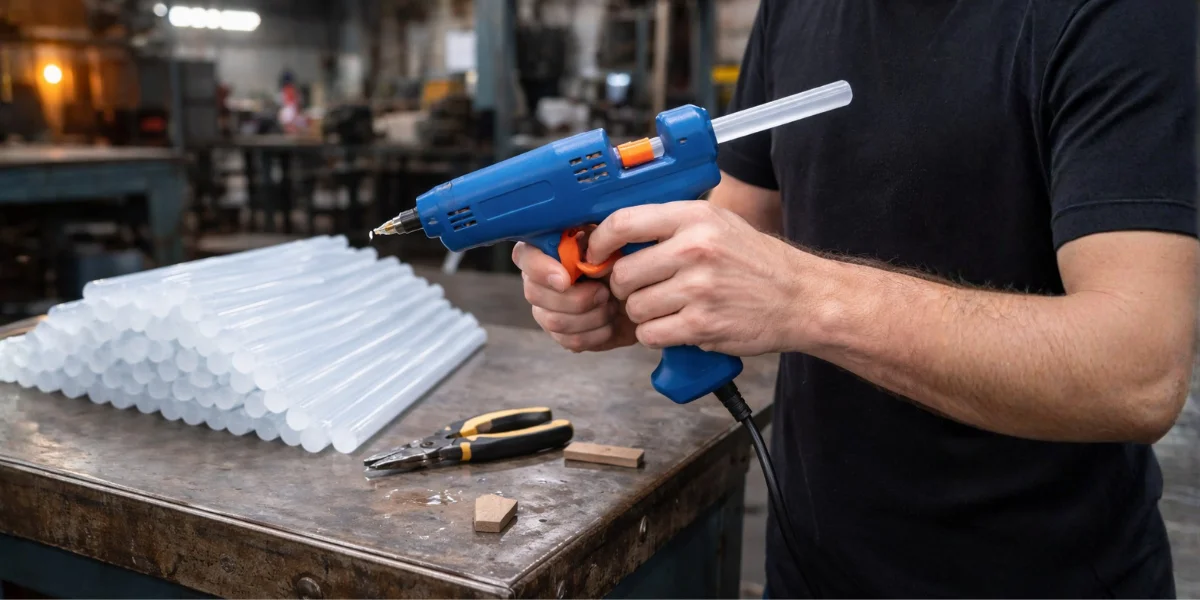
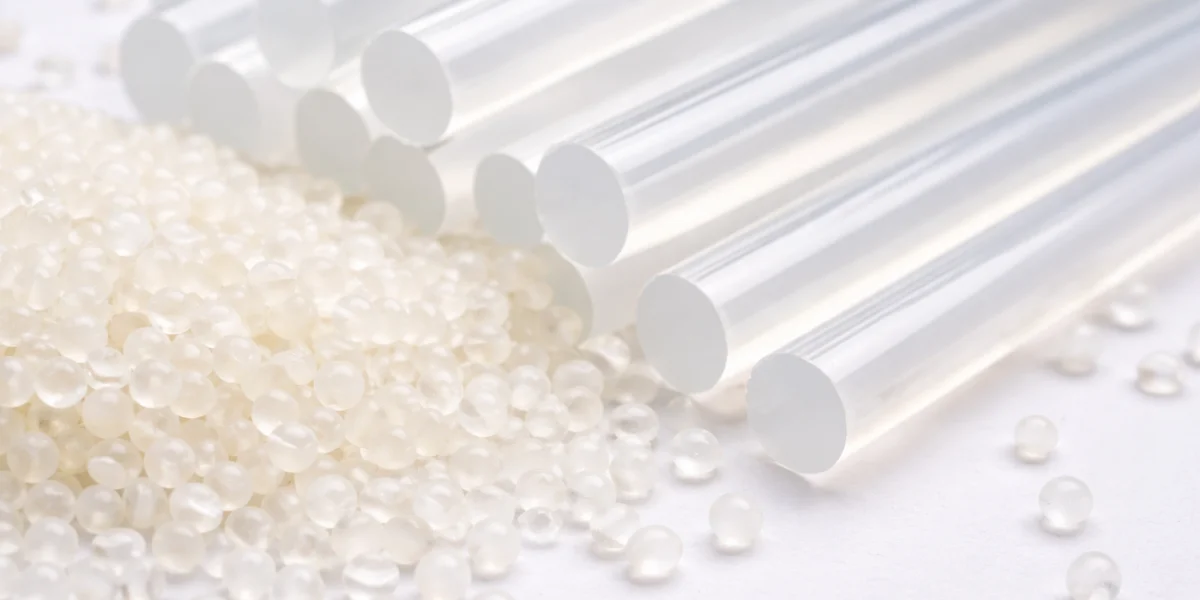
Requires a specialized applicator gun; lower heat resistance than epoxy (can re-melt at very high temps); difficult to apply to large surface areas before it cools.
Standard Super Glue is brittle and generally poor for bonding steel to plastic permanently. However, “toughened” Cyanoacrylates (CA) combined with a primer pen are excellent for small, non-structural repairs.
If you are looking for an adhesive to stick plastic like Polyethylene or Polypropylene to a small steel magnet, this is the solution.
• Pros:
Instant cure; easy to use; invisible bond line.
• Cons:
Low gap-filling capability (surfaces must touch perfectly); lower shear strength than epoxy; brittle.
Because polyurethane remains elastomeric (rubbery) after curing, it allows the steel and plastic to expand and contract independently without breaking the bond.
• Pros:
Excellent flexibility; water-resistant; expands to fill gaps.
• Cons:
Lower tensile strength than epoxy; messy to apply (foaming action); requires moisture to cure; long clamp time.
Adhesives rely on chemical reactions. Always work in a well-ventilated area. Wear nitrile gloves, skin oils can ruin a bond, and chemicals like MMAs or Epoxies can cause skin irritation.
Steel usually comes from the factory with a coating of oil to prevent rust. Plastic often has “mould release agents” left over from manufacturing. Both act as barriers to glue.
Use a solvent to clean both surfaces thoroughly.
• For Steel:
Acetone is best. It strips grease instantly.
• For Plastic:
Isopropyl Alcohol (IPA) is safer. Acetone can melt or damage certain plastics (like ABS), so stick to alcohol to be safe.
This is the most skipped step in the adhesive bonding process, and the most vital. You need to increase the surface area for the glue to grip.
• Steel:
Use 80 to 120-grit sandpaper. You want to see scratches in the metal. If using an adhesive for stainless steel to plastic, you must be aggressive here, as stainless is very hard.
• Plastic:
Use 120 to 200-grit sandpaper. Do not sand too aggressively on thin plastics, but ensure the glossy sheen is gone.
• Note:
After sanding, clean the surfaces again with your solvent to remove the dust.
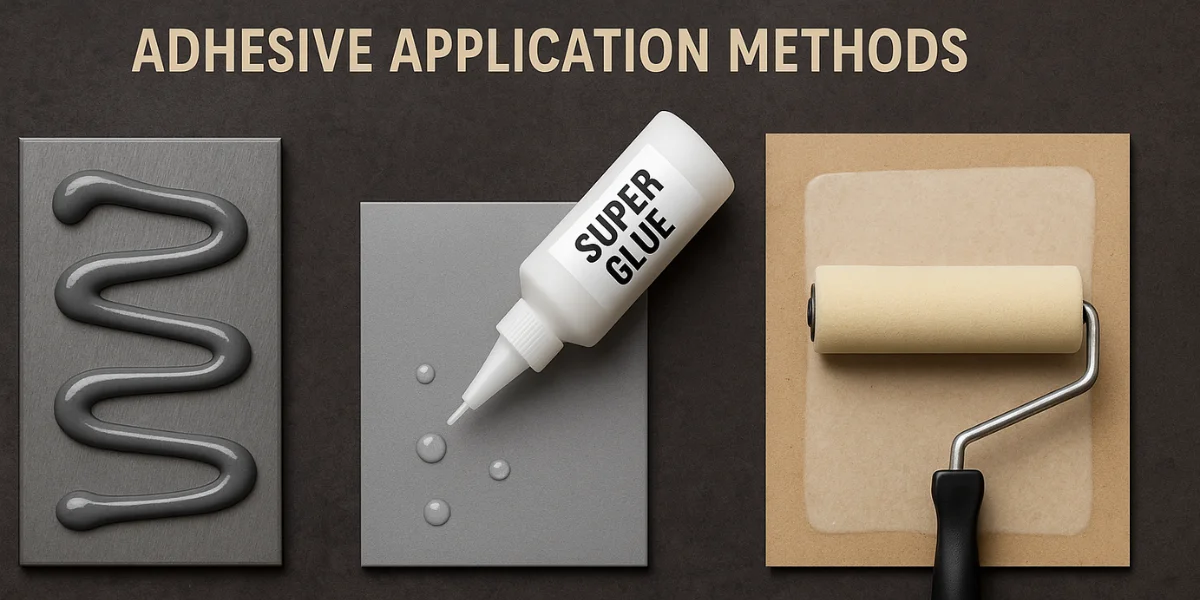
How you apply the glue matters. There are three main adhesive application methods depending on the viscosity of your product:
1. The Bead Method (For Thick Pastes/Epoxies):
Apply a continuous bead of adhesive in a serpentine (zigzag) pattern on the steel. When pressed, this ensures even coverage without trapping air bubbles.
2. The Thin Coat (For Contact Adhesives/Super Glue):
Apply a very thin layer to one side only. Too much super glue prevents curing.
3. Spray or Roll (For Large Surface Areas):
If bonding a large sheet of plastic to steel, use a spreader or roller to ensure the adhesive is uniform.
If using a two-part adhesive (epoxy or MMA), dispense equal amounts onto a disposable surface and mix thoroughly for at least 45 seconds. Unmixed epoxy will never cure and will remain sticky forever.
Adhesives need intimate contact to work.
• Use spring clamps, C-clamps, or even painter’s tape to hold the pieces together.
• Do not over-clamp. You don’t want to squeeze all the glue out. You want a thin layer (about 0.005 to 0.010 inches) to remain between the parts.
Read the label carefully. There are two different times listed:
1. Set Time / Pot Life:
How long you have to position the parts (e.g., 5 minutes).
2. Cure Time:
How long until the glue is at full strength (e.g., 24 hours).
Just because the piece feels solid after 10 minutes does not mean it is ready to use. Resist the urge to test it. Let it sit for 24 hours for maximum strength, especially when utilizing a structural steel plastic adhesive.
If your bond fails, analyse the break to understand what happened. This will tell you how to fix it next time.
If the glue stays on the steel but peels cleanly off the plastic (or vice versa), this is an adhesive failure.
• Cause:
Poor surface preparation. The surface was likely dirty, greasy, or too smooth.
• Fix:
Clean and sand more aggressively next time. Or, you used the wrong adhesive to stick plastic (e.g., trying to glue Polyethylene without a primer).
If there is glue stuck to the steel AND glue stuck to the plastic, but the glue itself ripped in the middle, this is a cohesive failure.
• Cause:
The glue wasn’t strong enough for the load, or the layer was too thick/thin.
• Fix:
Upgrade to a stronger adhesive for bonding (switch from silicone to epoxy), or ensure a better fit between parts.
If the plastic actually ripped apart, leaving a chunk of plastic stuck to the steel.
• Result:
Congratulations! This is the perfect bond. The glue was stronger than the material itself. You cannot improve on this adhesive bonding process.
Joining metal to polymer is one of the trickiest tasks in DIY and repair work, but it is entirely possible with the right chemistry.
1. Identify your plastic.
Is it a standard plastic (ABS/PVC) or a “non-stick” plastic (PE/PP)?
2. Select the right product.
Use Epoxy for general strength, MMAs for structural holding, Cyanoacrylate with Primer for small hard-to-bond plastics, or hot melt adhesives (PUR) for fast assembly.
3. Master the Adhesive Application Methods.
Sand your steel, sand your plastic, clean both with a solvent, and clamp correctly.
By respecting the differences in thermal expansion and surface energy, you can create a bond that rivals the strength of the materials themselves. Don’t rush the cure time, and always prioritize surface preparation over buying the most expensive glue on the shelf.