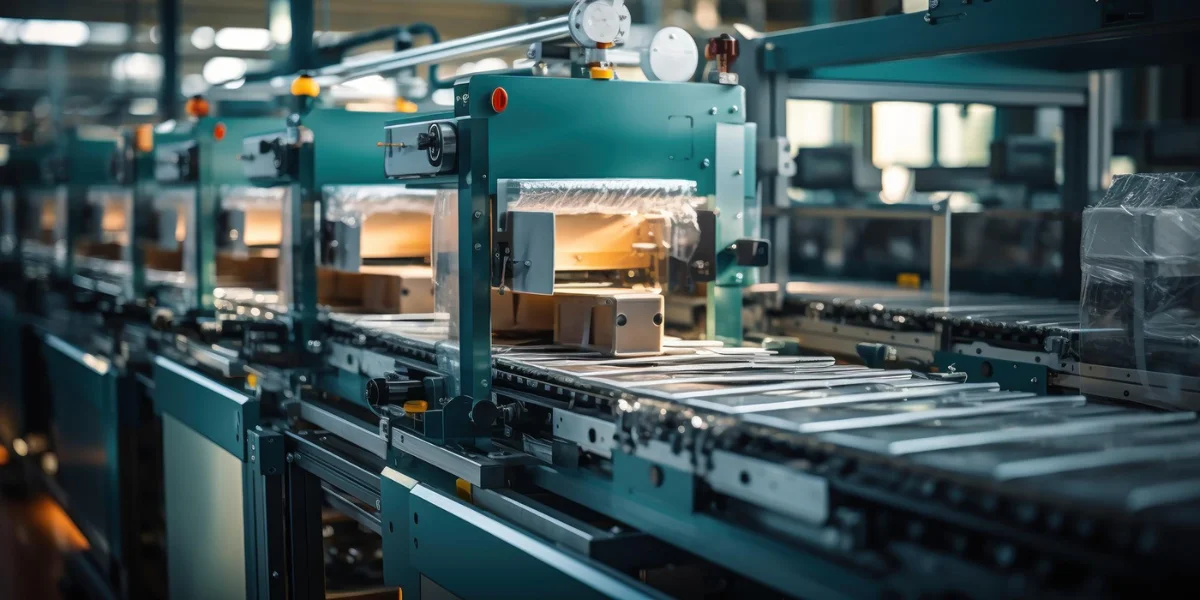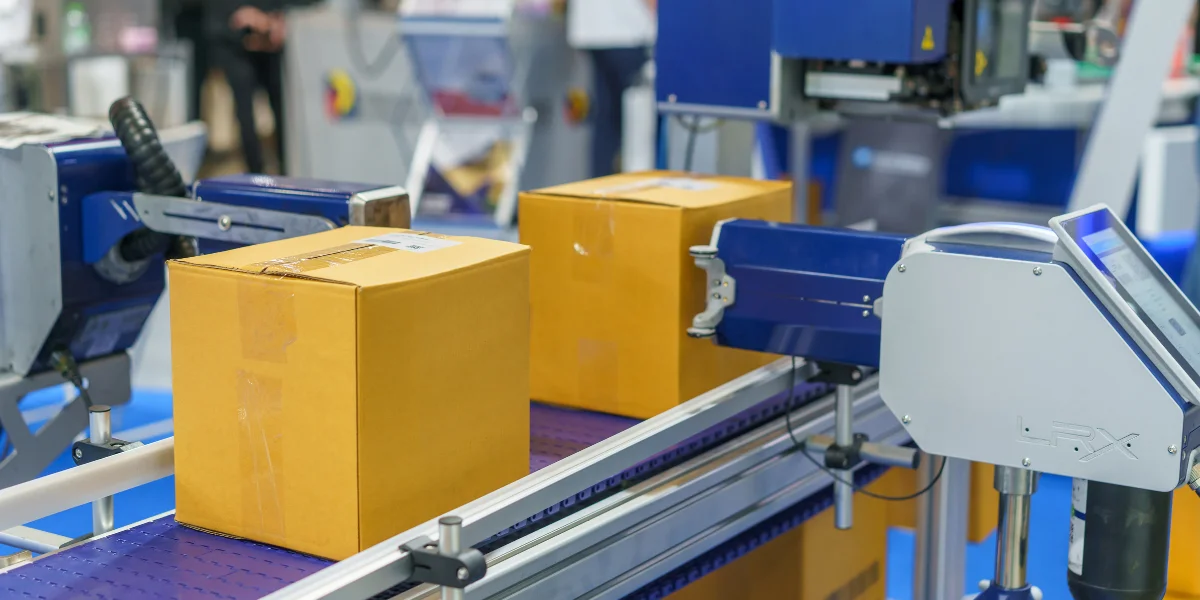
High Volume Glue Machine for Packaging Lines plays an important role in modern packaging operations, where speed, accuracy, and consistent bonding are essential for maintaining production efficiency. These machines help manufacturers apply adhesives efficiently across large quantities of cartons, boxes, corrugated packaging, labels, and other packaging materials. By automating adhesive application, businesses can improve bonding consistency, reduce manual effort, and support uninterrupted production.
For manufacturers handling high-speed packaging operations, selecting the right Glue Dispensing Machine is an important investment. The machine must match the production line’s speed, adhesive requirements, packaging material, and application method to deliver reliable results.
Mahisa Packaging supports industrial adhesive application and dispensing requirements with solutions designed to help businesses achieve efficient, controlled, and consistent glue dispensing. Choosing the right Glue Machine can help manufacturers improve production workflows while maintaining the quality of their finished packaging.
This guide explains how high-volume glue machines work, their applications, key benefits, important selection criteria, and how Mahisa Packaging can support businesses looking for suitable adhesive dispensing solutions.
What Is a High Volume Glue Machine for Packaging Lines?
A high volume glue machine for packaging lines is an industrial adhesive application system designed to dispense glue repeatedly and consistently during large-scale packaging production. Depending on the configuration, it can supply adhesive to one or multiple application points while working alongside packaging machinery.
These machines are commonly used in operations where manual glue application would be too slow, inconsistent, or labour-intensive. They can be integrated with suitable packaging equipment to apply adhesive for packaging during carton forming, box sealing, case packing, folding carton production, and other packaging processes.
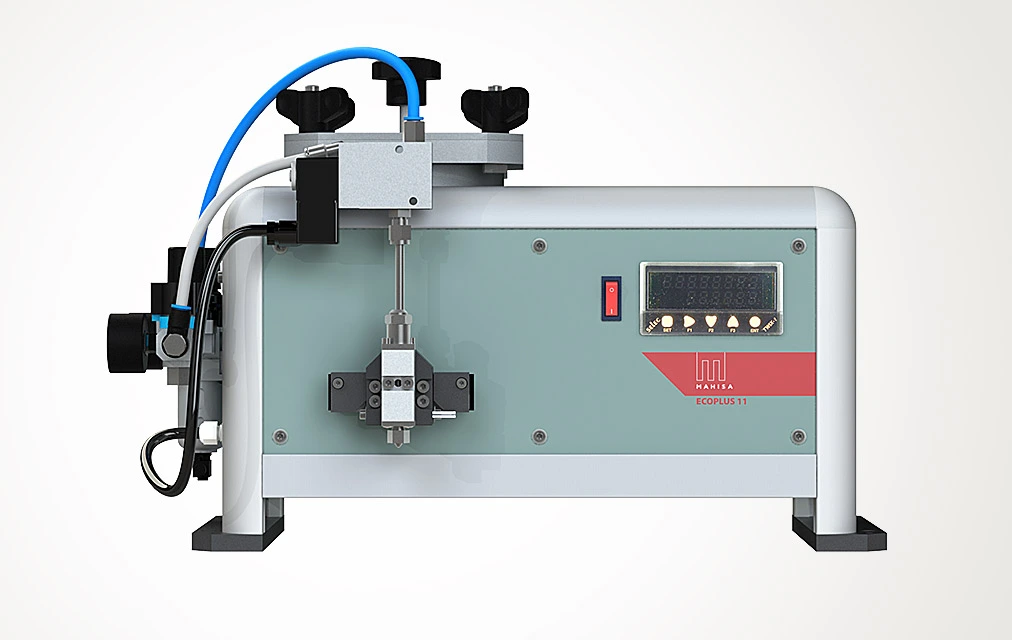
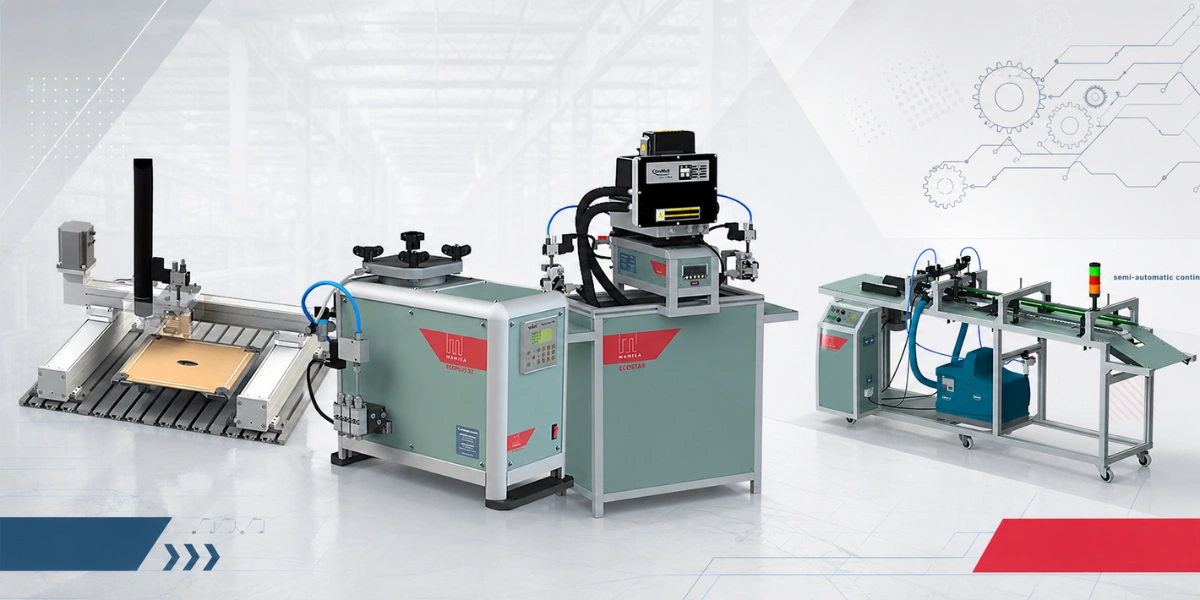
A high-volume system may include an adhesive tank or melter, heating and temperature controls when required, a pump, hoses, dispensing guns or nozzles, and electronic controls that coordinate glue application with the production line.
The exact configuration depends on the adhesive type, required output, packaging material, and production process.
Quick answer: A high volume glue machine helps packaging manufacturers apply adhesives at production-line speeds with greater control and repeatability. The right system depends on the packaging application, adhesive properties, output requirements, and compatibility with existing equipment.
How Does a High Volume Glue Machine Work?
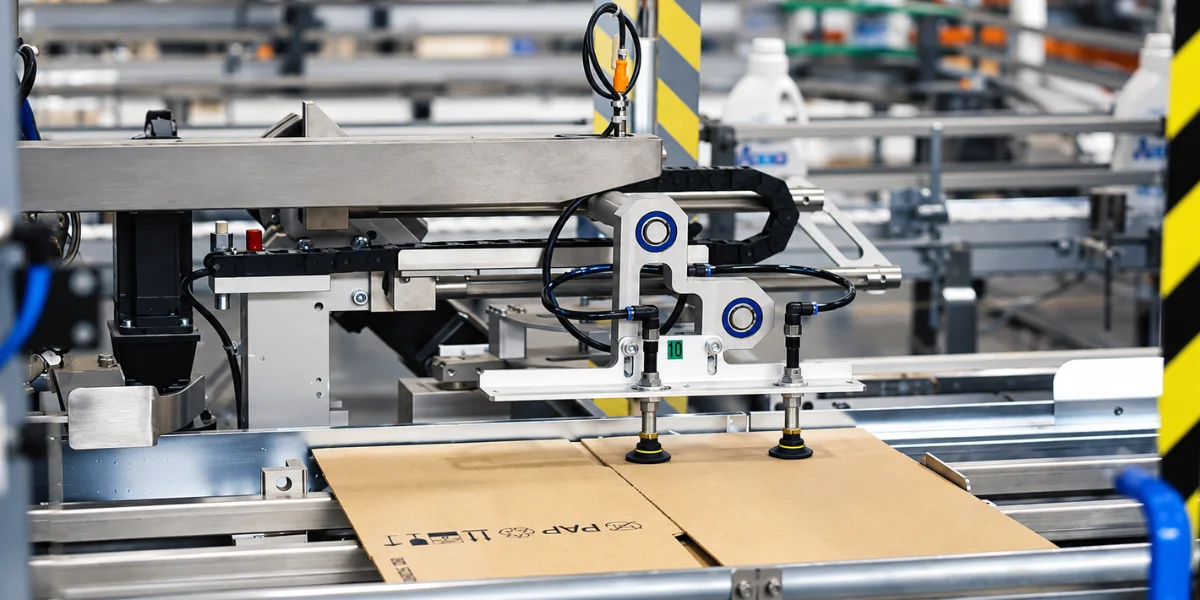
A high-volume adhesive application system works by supplying glue from a storage or preparation unit to dispensing points that apply a controlled amount of adhesive to the packaging material.
The process generally involves the following stages.
1. Adhesive preparation
The adhesive is loaded into the appropriate supply system. For hot melt applications, the adhesive is heated to its specified operating temperature. Cold glue systems use a different supply and handling arrangement.
2. Controlled adhesive supply
A pump or other suitable delivery mechanism moves the adhesive towards the dispensing points at the required flow rate and pressure.
3. Accurate glue dispensing
Dispensing guns, valves, or nozzles apply the adhesive in the required pattern, such as a bead, line, or series of dots. The application method depends on the packaging design and bonding requirements.
4. Synchronisation with the packaging line
In automated installations, suitable sensors and controls coordinate adhesive application with product movement, carton position, and machine speed.
5. Bonding and quality inspection
The packaging moves through the relevant folding, compression, cooling, or setting stage. Finished packs are checked for bond strength, glue placement, and sealing consistency.
A properly configured system can help maintain a repeatable application process. However, actual performance depends on adhesive selection, operating conditions, equipment configuration, maintenance, and the speed of the complete production line.
Key Features of a High Volume Glue Machine for Packaging Lines
When choosing a high-volume adhesive application system, manufacturers should evaluate the features that directly affect production output, bonding quality, operating costs, and maintenance requirements.
1. High-Output Adhesive Delivery
A high-volume Glue Machine should be capable of supplying the adhesive required by the production process without compromising application consistency. Its delivery capacity must match the number of dispensing points, adhesive viscosity, application pattern, and line speed.
For packaging lines operating continuously, a properly sized delivery system helps minimise interruptions caused by insufficient adhesive supply.
2. Precise Glue Dispensing
Dispensing accuracy is important for avoiding excessive glue consumption, weak bonds, and adhesive contamination on the finished package.
A well-matched Glue Dispensing Machine helps control the quantity, position, and timing of adhesive application. Depending on the application, manufacturers may use adjustable nozzles, dispensing valves, or electronic controls to maintain consistent glue patterns.
3. Temperature Control for Hot Melt Adhesives
Hot melt adhesives require appropriate temperature management to maintain their intended application properties. Temperature that is too low can affect flow and bonding, while excessive heat or prolonged exposure can degrade some adhesives.
A hot melt system should provide suitable temperature monitoring and control for the adhesive being used. These requirements differ from those of water-based or other cold glue systems.
4. Automation and Production-Line Integration
An automatic glue dispensing machine can coordinate adhesive application with the movement of cartons, boxes, or other packaging materials. Depending on the system, automation may include programmable controls, sensors, timed dispensing, and multiple application points.
Integration is particularly important when the glue machine operates with carton erectors, folder-gluers, case sealers, or automated packing equipment.
5. Multiple Dispensing Points
Some high-volume applications require glue to be applied at several positions on the same package. A system designed for multiple dispensing points can help apply adhesive to different flaps, seams, or bonding areas during the same production cycle.
The required number of guns or nozzles depends on the packaging design, line speed, and adhesive delivery capacity.
6. Reliable Construction and Maintenance Access
Industrial adhesive equipment must withstand regular production use. Accessible components, suitable hose and nozzle arrangements, straightforward cleaning procedures, and the availability of replacement parts can simplify maintenance.
For manufacturers, equipment reliability is not just about machine construction. It also depends on correct installation, operator training, adhesive compatibility, and preventive maintenance.
FAQs: Key Features of a High Volume Glue Machine for Packaging Lines
1. What are the key features of a high volume glue machine for packaging lines?
Key features include high adhesive delivery capacity, precise glue dispensing, temperature control for hot melt adhesives, automated controls, multiple dispensing points, and easy maintenance. These features help maintain consistent bonding and support efficient packaging production.
2. How does an automatic glue dispensing machine improve packaging accuracy?
An automatic glue dispensing machine controls the quantity, timing, and placement of adhesive. This helps reduce excessive glue application, minimise waste, and maintain consistent bonding across packaging units.
3. Why is temperature control important in a high volume Glue Machine?
Temperature control is essential for hot melt adhesive systems because it helps maintain the adhesive’s required flow and application properties. Correct temperature settings support consistent dispensing and reliable bonding.
4. How can Mahisa Packaging help manufacturers choose the right Glue Dispensing Machine?
Mahisa Packaging can be approached to discuss adhesive dispensing requirements based on production volume, packaging material, adhesive type, and application needs. Manufacturers should verify machine specifications and compatibility before selecting a suitable solution.
Benefits of Using an Automatic Glue Dispensing Machine in Packaging
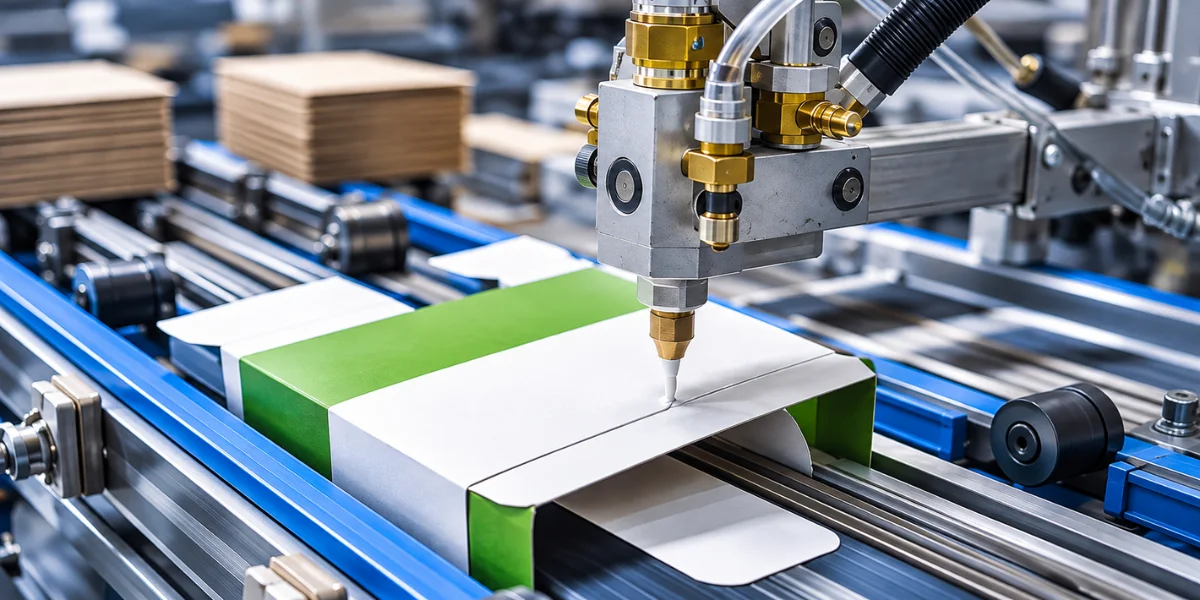
An automated adhesive application system can offer several operational advantages when properly matched to a packaging line.
Higher production efficiency
Automated glue dispensing can reduce the time required for repetitive adhesive application and support faster packaging cycles when the rest of the production line can accommodate the increased output.
Consistent bonding quality
Controlled dispensing helps maintain repeatable glue placement and application quantities, supporting more consistent seals and joints across production batches.
Reduced adhesive waste
Accurate application can help prevent over-dispensing, unwanted glue strings, and unnecessary adhesive use. Actual savings depend on the original process and the performance of the installed system.
Lower dependence on manual application
Automation reduces repetitive manual work and allows operators to focus on machine monitoring, material handling, and quality checks.
Improved process control
When supported by appropriate controls and inspection procedures, automated application can make adhesive-related production issues easier to identify and correct.
These benefits are most likely to be achieved when adhesive selection, dispensing equipment, packaging materials, and production-line settings are evaluated together rather than independently.
Applications of High Volume Glue Machines in Packaging Industries
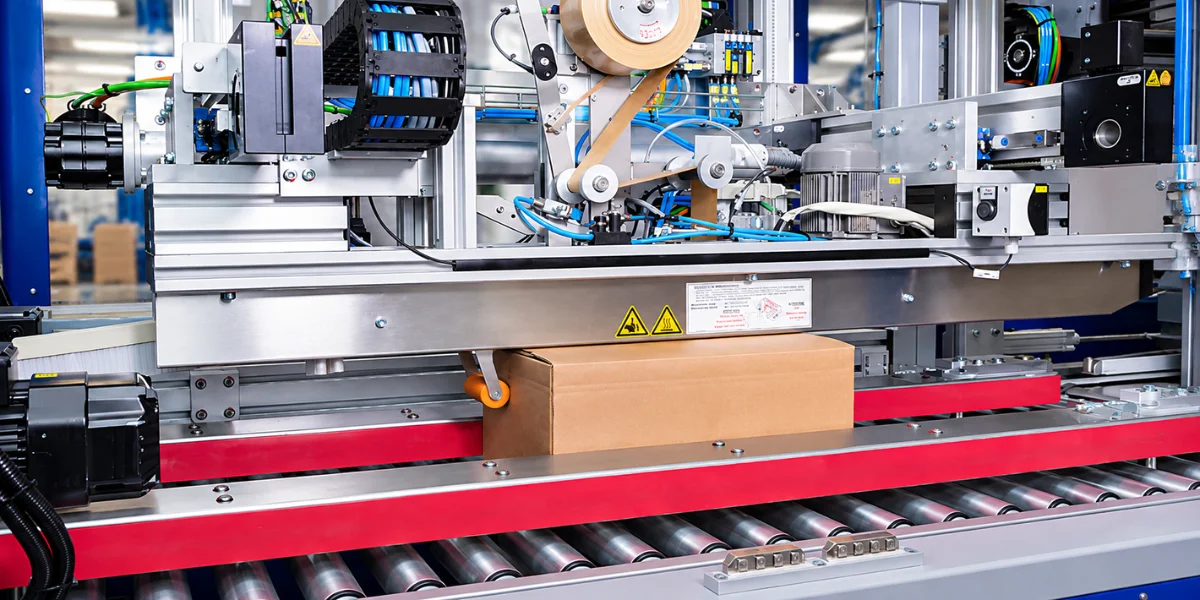
High-volume adhesive systems are used across different packaging processes. The right machine depends on the material being bonded, the packaging format, and the required production rate.
1. Corrugated Box Manufacturing and Sealing
Corrugated cardboard glue packaging production uses adhesives for joining board sections, closing flaps, and sealing boxes. A suitable Glue Machine helps apply adhesive consistently at the required bonding points.
2. Folding Carton Packaging
Folding cartons for consumer goods, food products, cosmetics, and pharmaceuticals may require precise adhesive application along seams and flaps. Controlled dispensing helps maintain the carton’s structural integrity.
3. Case Packing and Secondary Packaging
Distribution and manufacturing facilities use automated case-packing and sealing systems to prepare products for storage and transportation. Glue application can be integrated into suitable systems to close cartons and cases.
4. Paperboard and Paper Packaging
Paperboard products, sleeves, inserts, and certain paper-based packaging formats require controlled bonding. The adhesive and machine must be compatible with the paper grade, coating, and intended use.
5. Consumer Goods Packaging
Manufacturers of household goods, personal care products, electronics, and other consumer products may use adhesive dispensing for carton assembly and packaging operations.
Important: Not every packaging application uses the same adhesive technology. Hot melt adhesives, water-based adhesives, and other bonding materials have different operating requirements. Machine selection should always account for the adhesive specification and intended application.
High Volume Glue Machine vs. Standard Glue Machine
The main difference between a high-volume system and a standard Glue Machine is the intended production requirement and the configuration needed to meet it.
| Feature | Standard glue machine | High-volume glue machine |
|---|---|---|
| Production requirement | Lower or moderate output, depending on configuration | Designed for demanding production requirements |
| Adhesive supply | Sized for the application | Sized to support required flow and dispensing demand |
| Dispensing points | May support a single or limited number | May support multiple guns or nozzles |
| Automation | Manual, semi-automatic, or automatic | Often selected for automated or continuous production |
| Integration | May operate independently | May be integrated with a packaging production line |
| Selection priority | Application needs and operating budget | Output, repeatability, line compatibility, and uptime |
These are general distinctions, not fixed technical specifications. Some standard machines are highly automated, and some high-volume systems serve specialised applications at lower speeds. Actual capacity must be verified against the manufacturer’s technical specifications.
How to Choose the Right Glue Dispensing Machine for Your Packaging Line
Selecting the right machine requires more than comparing purchase prices or advertised output figures. Manufacturers should assess the complete adhesive application process.
1. Define Your Production Volume
Start by identifying your required packaging output per minute or hour. Consider normal production speed, peak demand, planned production growth, and the amount of time available for maintenance.
The dispensing system must meet the adhesive demand of the production line, not just its nominal speed.
2. Identify the Adhesive Type
Determine whether the application requires hot melt, water-based, or another suitable adhesive. Review viscosity, operating temperature, setting time, substrate compatibility, and storage requirements.
For hot melt applications, confirm that the melting unit, hoses, filters, and dispensing guns are suitable for the selected adhesive.
3. Evaluate the Packaging Material
Paperboard, corrugated board, coated paper, and other substrates can behave differently during bonding. Surface treatments, moisture, material thickness, and the design of the joint can affect adhesive performance.
Test the adhesive on the actual packaging materials wherever possible before finalising the equipment configuration.
4. Check Dispensing Accuracy and Pattern
Establish the required glue quantity, bead width, dot pattern, application position, and bonding area. Determine whether the process needs continuous dispensing, intermittent application, or several independent glue patterns.
An automatic glue dispensing machine should be configured to deliver the correct application pattern at the intended line speed.
5. Assess Integration Requirements
Check whether the machine needs to connect with existing packaging equipment, sensors, controllers, or production-line software. Confirm the required electrical supply, mounting arrangement, available space, and communication or control interfaces.
Integration planning can help avoid compatibility problems during installation.
6. Compare Maintenance and Operating Costs
The purchase price is only one part of the total cost of ownership. Evaluate adhesive consumption, energy use, replacement parts, cleaning requirements, preventive maintenance, operator training, and the cost of production downtime.
A machine with suitable dispensing controls and maintainable components may offer better long-term value than an option selected on initial price alone.
7. Review Technical Support and Spare Parts
Before purchasing, clarify the availability of installation guidance, operating instructions, troubleshooting assistance, and compatible replacement components.
For businesses operating production lines across multiple shifts, access to reliable technical support can be an important factor in maintaining output.
Common Problems in High-Volume Glue Dispensing and How to Prevent Them
Even a well-designed machine can produce inconsistent results if its settings, adhesive, or maintenance routine are unsuitable.
| Common problem | Possible cause | Recommended action |
|---|---|---|
| Uneven glue application | Incorrect pressure, nozzle condition, or dispensing settings | Check the nozzle, delivery system, and application parameters |
| Weak carton bonds | Incompatible adhesive, poor surface contact, or insufficient setting time | Review adhesive suitability, compression, and bonding conditions |
| Glue strings or dripping | Incorrect dispensing settings, adhesive properties, or valve condition | Inspect the dispensing valve and optimise the settings |
| Frequent nozzle blockage | Contamination, degraded adhesive, or unsuitable temperature | Follow the adhesive supplier’s operating and cleaning instructions |
| Excessive glue consumption | Over-application or poorly aligned dispensing points | Calibrate the system and verify the required glue pattern |
| Production interruptions | Inadequate maintenance or component wear | Follow a preventive maintenance schedule and inspect critical parts |
Troubleshooting should follow the equipment manufacturer’s instructions and the adhesive supplier’s recommendations. Hot melt systems can contain high-temperature components and pressurised adhesive, so maintenance must be performed using the prescribed safety and shutdown procedures.
Why Choose Mahisa Packaging for Glue Dispensing Solutions?
For manufacturers investing in adhesive application equipment, choosing the right supplier is an important part of building an efficient packaging process. Equipment suitability, application requirements, operating conditions, and ongoing support all influence the long-term performance of an adhesive dispensing system.
Mahisa Packaging Systems LLP focuses on adhesive application and dispensing solutions for industrial requirements. For businesses evaluating a high volume glue machine for packaging lines, the selection process should begin with a clear understanding of the production process and the bonding requirements.
Here are the key considerations when evaluating a suitable solution with Mahisa Packaging.
- Application-based machine selection: Identify the type of packaging, adhesive, production speed, and dispensing pattern before finalising the equipment.
- Consistent adhesive application: Evaluate dispensing accuracy and repeatability to support reliable bonding across production batches.
- Packaging-line compatibility: Check whether the proposed system can work with the existing packaging machinery and required production controls.
- Production efficiency: Consider adhesive consumption, operator involvement, maintenance requirements, and the potential to reduce production interruptions.
- Long-term suitability: Review operating requirements, component availability, maintenance procedures, and technical assistance before making an investment.
Rather than selecting equipment solely on the basis of its advertised capacity, manufacturers should evaluate how well the system meets their actual production requirements.
If your business is planning to upgrade its adhesive application process, explore the solutions available from Mahisa Packaging and discuss your packaging requirements to identify a suitable configuration.
The Future of Automated Glue Dispensing in Packaging
Packaging manufacturers are increasingly focused on improving output while maintaining consistent product quality and controlling operating costs. Automation can support these objectives by making adhesive application more repeatable and reducing dependence on manual processes.
Several developments are relevant to modern adhesive dispensing:
Greater process automation: Automated dispensing controls can coordinate adhesive application with the movement of packaging materials and help maintain consistent application timing.
Improved application control: Suitable valves, nozzles, sensors, and control systems can help manufacturers manage glue placement and reduce avoidable adhesive waste.
Integration with production equipment: As packaging lines become more interconnected, adhesive systems must be compatible with upstream and downstream machinery to avoid production bottlenecks.
Preventive maintenance: Regular inspection, condition monitoring where available, and scheduled maintenance can help reduce unexpected equipment interruptions.
Focus on operating efficiency: Manufacturers are paying greater attention to adhesive consumption, energy requirements, downtime, and the overall cost of producing each packaged unit.
For businesses planning future capacity expansion, selecting an appropriately configured automatic glue dispensing machine can support a more controlled and scalable adhesive application process.
Conclusion
A high volume glue machine for packaging lines plays an important role in modern packaging operations by supporting controlled adhesive delivery, consistent bonding, and automated production workflows. The right equipment can help manufacturers improve efficiency, reduce unnecessary glue consumption, and maintain packaging quality.
However, the best solution depends on production volume, adhesive type, packaging material, dispensing accuracy, and compatibility with existing machinery.
Mahisa Packaging can be a starting point for businesses exploring industrial adhesive dispensing solutions. By clearly defining production requirements and evaluating the relevant technical specifications, manufacturers can make a more informed decision about the right Glue Dispensing Machine for their packaging operations.
Frequently Asked Questions (FAQs)
1. What is a high volume glue machine used for in packaging lines?
A high volume glue machine is used to apply adhesives consistently during large-scale packaging operations, including carton forming, corrugated box sealing, folding carton production, and case packing. It helps manufacturers manage repetitive glue application and support production-line efficiency.
2. How does an automatic glue dispensing machine improve packaging efficiency?
An automatic glue dispensing machine coordinates adhesive application with the packaging process. It can help maintain consistent glue placement, reduce manual intervention, control adhesive consumption, and support faster production cycles when the complete packaging line is suitably configured.
3. How do I choose the right Glue Dispensing Machine for my production line?
Choose a Glue Dispensing Machine based on production volume, adhesive type, packaging material, required glue pattern, dispensing accuracy, and integration requirements. You should also evaluate maintenance needs, operating costs, safety features, and the availability of technical support.
4. Which industries can benefit from a high volume Glue Machine?
Industries involved in corrugated box manufacturing, folding cartons, consumer goods packaging, paperboard packaging, and automated case packing can benefit from high-volume adhesive application systems. The appropriate machine depends on the specific bonding application and adhesive requirements.
5. How can Mahisa Packaging help businesses select a Glue Machine for packaging applications?
Mahisa Packaging Systems LLP serves industrial adhesive application and dispensing requirements. Businesses evaluating a Glue Machine can discuss their packaging materials, adhesive type, required production output, and dispensing requirements to determine which available solution may be appropriate. Confirm the technical specifications, compatibility, and support available for the intended application before purchasing.