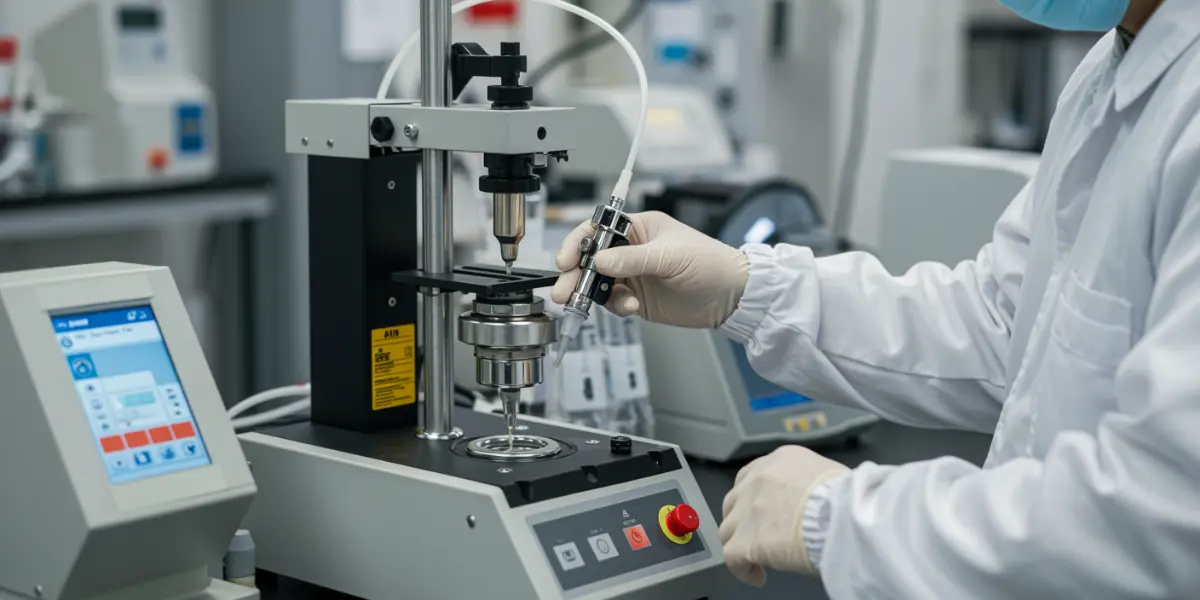
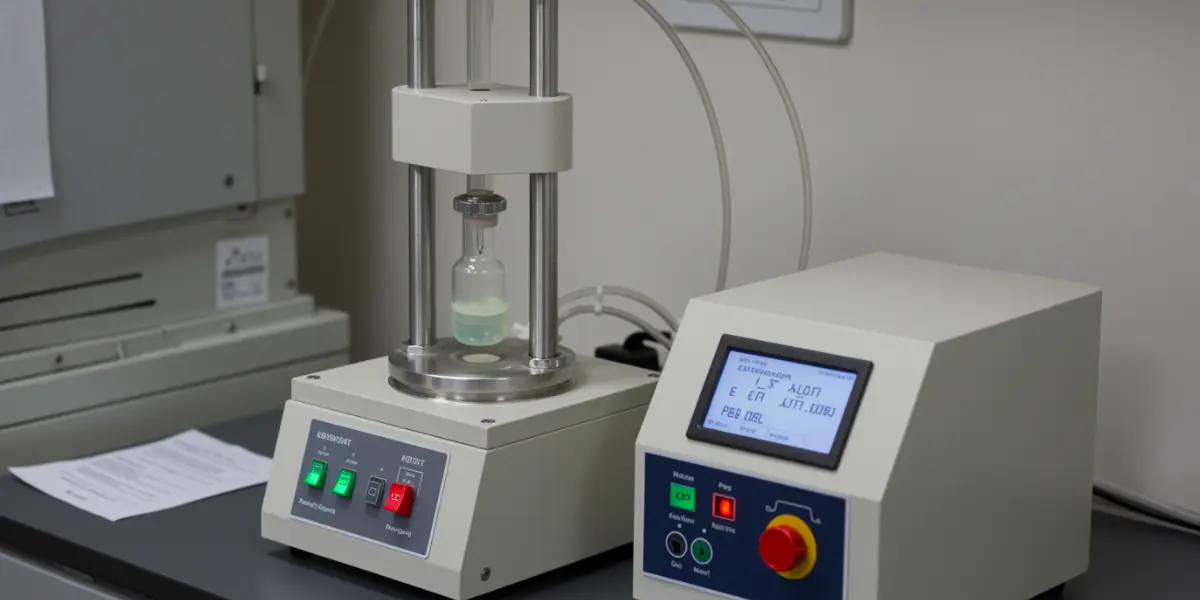
Hot melt adhesives are widely used across industries because they provide fast bonding, clean application, and excellent production efficiency. However, even the best adhesive cannot deliver consistent performance without proper testing. Hot melt adhesive testing ensures that the adhesive, dispensing equipment, and application process work together to produce durable and reliable bonds every time.
Whether you are in packaging, woodworking, product assembly, automotive, electronics, or consumer goods manufacturing, testing helps prevent bond failures, reduce material waste, and improve production quality. At Mahisa Packaging, we believe that selecting the right adhesive is only one part of the equation. Regular testing and optimized Adhesive dispensing systems are equally important for achieving maximum efficiency and consistent results.
Hot melt adhesive testing is the process of evaluating an adhesive’s physical, mechanical, and application properties before it is used in production. The objective is to ensure the adhesive performs consistently under real operating conditions.
Testing helps manufacturers determine:
2. Adhesion to different materials
8. Durability under stress
Proper testing minimizes production downtime, improves packaging quality, and reduces adhesive consumption.
Even premium hot melt adhesives can fail if they are applied incorrectly or used on incompatible materials. Testing identifies potential problems before they affect production.
Testing verifies that the adhesive creates a reliable bond capable of handling transportation, storage, and daily use.
When adhesives perform consistently, manufacturers experience fewer machine stoppages, faster packaging lines, and lower rejection rates.
Correct adhesive selection and testing prevent over-application, reducing adhesive consumption while maintaining excellent bonding performance.
High-quality adhesive bonding enhances packaging appearance, product safety, and customer satisfaction.
Testing helps identify bonding issues before products reach customers, avoiding returns and production losses.
Different industries require different performance characteristics. The following tests are commonly used to evaluate adhesive quality.
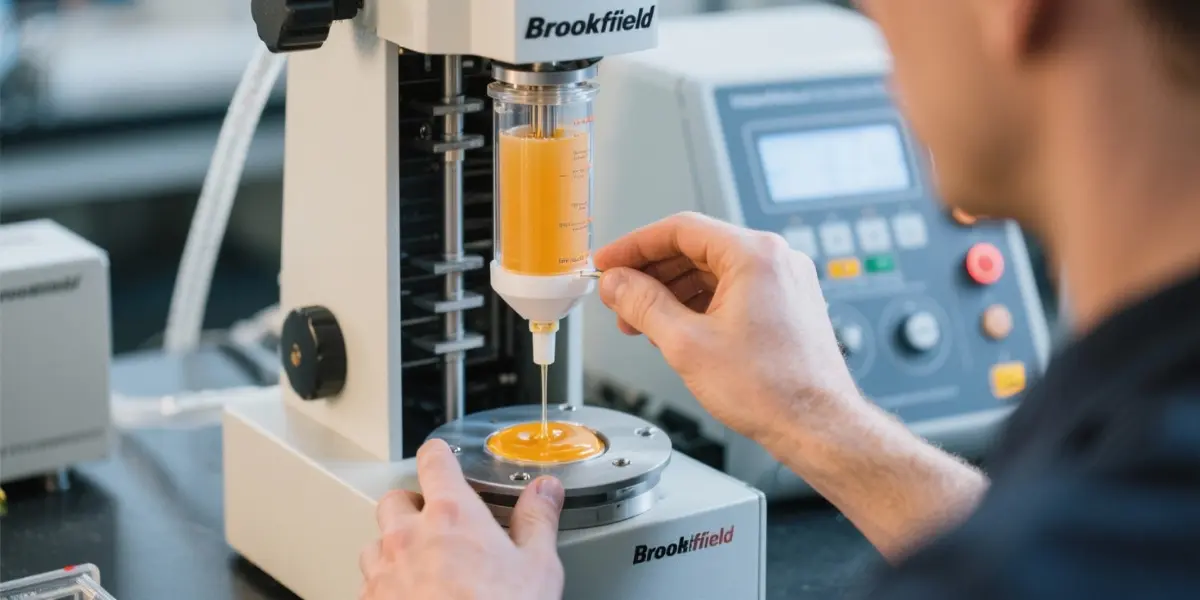
Viscosity measures how easily molten adhesive flows through dispensing equipment.
Proper viscosity ensures:
2. Uniform glue application
3. Minimal nozzle clogging
4. Consistent bead formation
Adhesives with incorrect viscosity may cause excessive consumption or weak bonding.
This test determines how much force is required to separate bonded materials.
These tests confirm whether the adhesive can withstand actual working conditions.
Open time measures how long adhesive remains workable after application before losing its bonding capability.
Industries with manual assembly require longer open times, while automated packaging often needs faster setting adhesives.
Setting time determines how quickly the adhesive develops handling strength.
Fast setting times improve production speed while maintaining secure bonding.
Products may experience high temperatures during transportation or storage.
Heat resistance testing ensures the adhesive maintains bond integrity without softening excessively.
Cold environments can make some adhesives brittle.
Testing verifies that bonds remain flexible and secure even at lower temperatures.
Long-term testing evaluates adhesive performance after prolonged exposure to:
5. Environmental conditions
This helps predict long-term reliability.
Hot melt adhesives are used across numerous substrates. Testing ensures compatibility between adhesive and material.
Common materials include:
Each material has unique surface characteristics that influence adhesive performance.
Hot melt adhesive testing plays a vital role across many manufacturing sectors.
Packaging manufacturers depend on consistent adhesive performance for:
2. Corrugated box manufacturing
Reliable testing ensures packages remain securely sealed throughout the supply chain.
Automotive applications require adhesives capable of handling vibration, temperature fluctuations, and long service life.
Testing confirms durability under demanding operating conditions.
Furniture manufacturers require adhesives that provide strong structural bonds while maintaining aesthetic finishes.
Testing helps optimize bonding strength across various wood types.
Sensitive electronic components require precise adhesive dispensing.
Testing ensures clean application without damaging delicate parts.
Printing applications require adhesives that offer flexibility while maintaining page integrity over time.
Several variables influence adhesive quality beyond the adhesive formulation itself.
Clean surfaces improve bonding significantly.
Dust, oil, moisture, and contaminants reduce adhesion.
Each adhesive has an ideal operating temperature.
Excessive heat may degrade adhesive properties, while insufficient heat reduces flow characteristics.
Applying too much adhesive increases costs without improving strength.
Too little adhesive creates weak bonds.
Precision dispensing systems solve this challenge.
Adequate pressure during bonding allows adhesive to spread evenly and develop maximum strength.
Humidity and temperature can influence adhesive behavior during application.
Proper testing simulates actual production environments.
Testing alone cannot guarantee consistent production.
1. Accurate adhesive quantity
2. Stable application temperature
4. Repeatable production quality
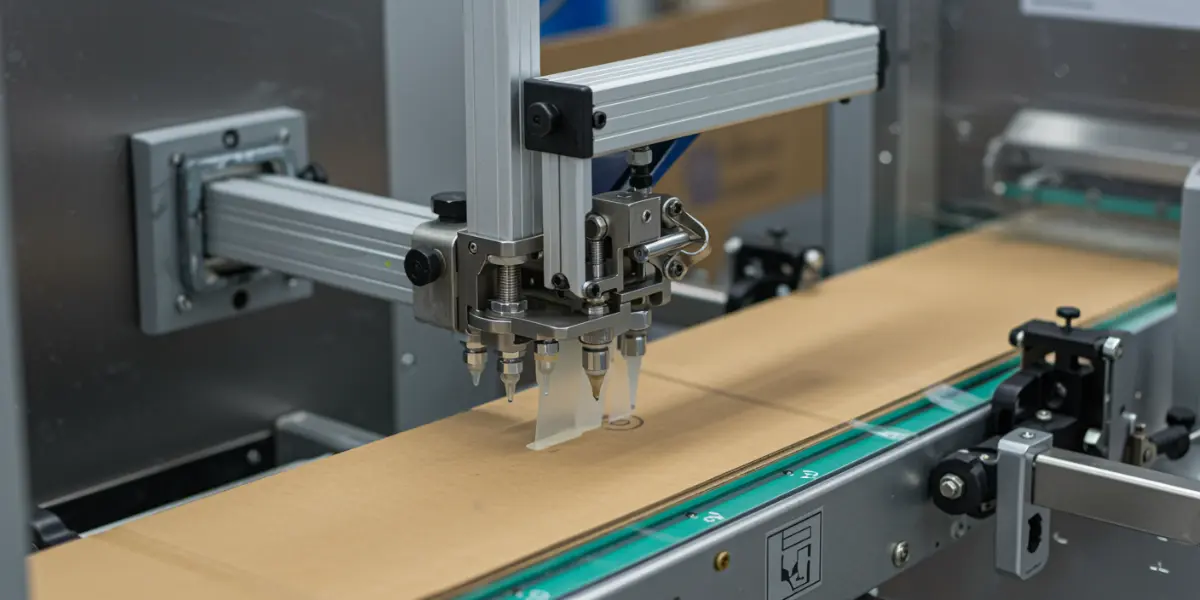
Modern dispensing systems significantly reduce operator variation and improve production consistency.
Mahisa Packaging develops industrial hot melt adhesive dispensing systems designed to deliver accurate glue application across multiple industries. Their solutions help businesses reduce adhesive waste while improving productivity and packaging quality.
To achieve reliable results, manufacturers should follow a structured testing process.
Laboratory results should closely replicate real manufacturing environments.
Machine performance directly affects adhesive consistency.
Stable temperatures maintain proper viscosity.
Different materials may require different adhesive formulations.
Routine testing helps identify changes before production problems occur.
Historical data supports continuous process improvement.
Selecting the right adhesive supplier involves more than purchasing adhesive products.
Look for a partner that provides:
2. Adhesive compatibility guidance
3. Dispensing equipment expertise
5. Testing recommendations
Mahisa Packaging combines decades of experience in industrial adhesive dispensing with customized automation solutions that help manufacturers improve productivity, reduce waste, and achieve consistent adhesive application across packaging and assembly operations.
Hot melt adhesive testing is essential for manufacturers seeking higher productivity, lower operational costs, and superior product quality. By evaluating viscosity, bond strength, heat resistance, durability, and application performance, businesses can ensure every adhesive bond meets production standards.
When combined with precision dispensing equipment and expert technical support, proper testing creates a more reliable manufacturing process, minimizes downtime, and delivers long-term cost savings.
Whether you’re upgrading an existing production line or implementing a new adhesive application process, investing in comprehensive hot melt adhesive testing is one of the smartest decisions for consistent manufacturing success.