Is Hot Melt Glue Permanent?

Determining is hot melt glue permanent depends entirely on the environment and the materials involved. While it creates an instant, structural bond on porous surfaces like wood or cardboard, it remains a thermoplastic, meaning it can remelt under high heat. To ensure a lasting fix, you must evaluate the factors that determine permanence, such as surface porosity and temperature exposure. For many industrial and crafting projects, the right hot glue adhesive provides a lifelong hold that is effectively impossible to break without destroying the substrate itself.

Hot Glue Usage

Effective hot glue usage is the secret to moving beyond temporary fixes to professional-grade results. Whether you are sealing heavy-duty shipping cartons or repairing household upholstery, the way you use the glue matters. For maximum strength, always apply the adhesive to the more “difficult” or less porous surface first. Proper hot glue usage also requires speed; because the adhesive cools and sets within seconds, you must join the materials immediately to ensure the molten plastic fully interlocks with the fibers or textures of the surface.

Hot Melt Types

Not all glue sticks are created equal, and selecting between various hot melt types is critical for success. Standard EVA (Ethylene Vinyl Acetate) is perfect for general crafts, but for automotive or outdoor tasks, you need high-performance hot melt types like Polyamide or Polyurethane (PUR). PUR is unique because it transitions from a thermoplastic to a thermoset, meaning once it cures, it will never remelt. Matching the polymer to your specific project needs is a primary factor that determines permanence and overall structural integrity.

Adhesive Application Methods

To achieve a “forever bond,” you must master specific adhesive application methods. Instead of random globs, use consistent beads or “swirl” patterns to increase the total surface area covered by the hot glue adhesive. Pressure is also vital; squeezing the two pieces together firmly while the glue is in its liquid state forces the material into microscopic crevices. By refining your adhesive application methods, you eliminate air pockets and weak spots, ensuring the bond remains stable under physical stress and resists peeling over time.
Hot Melt Glue Equipment
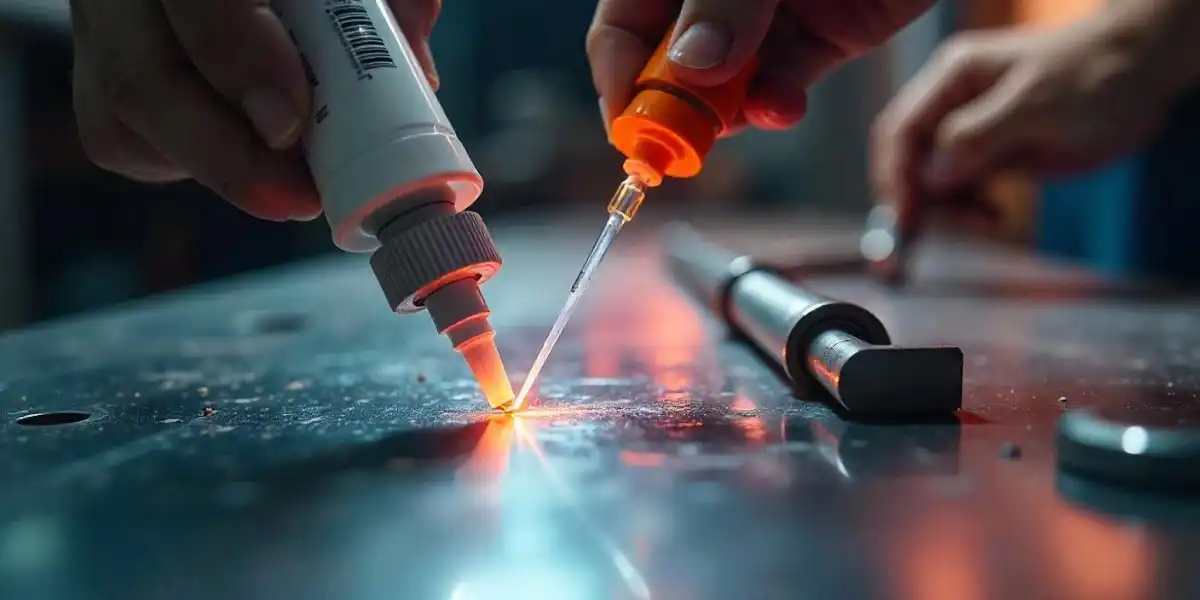
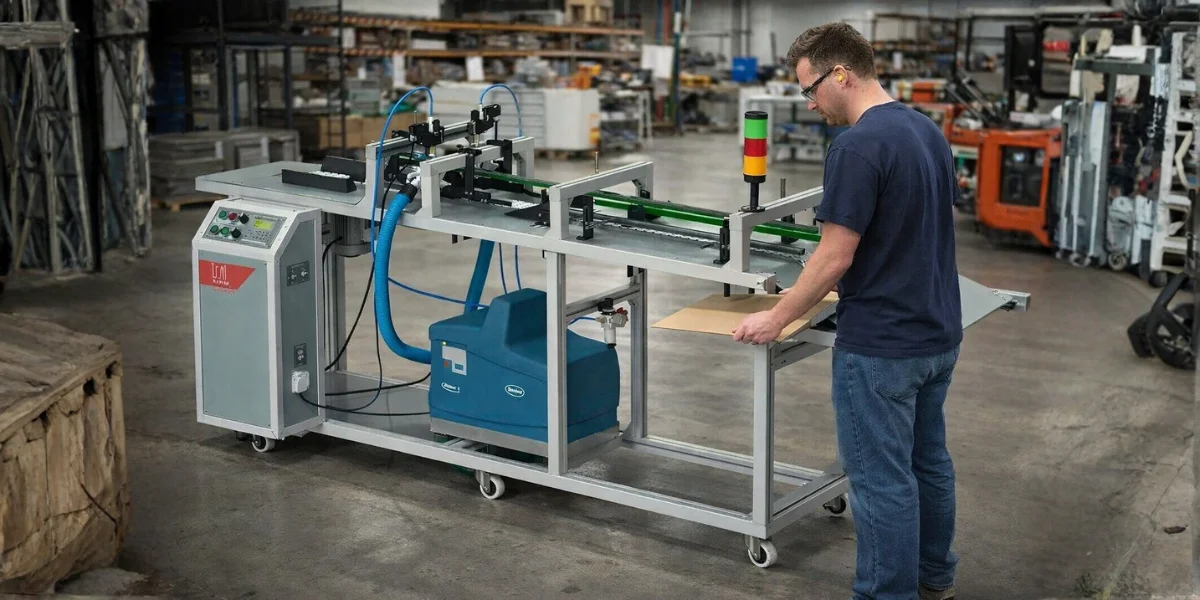
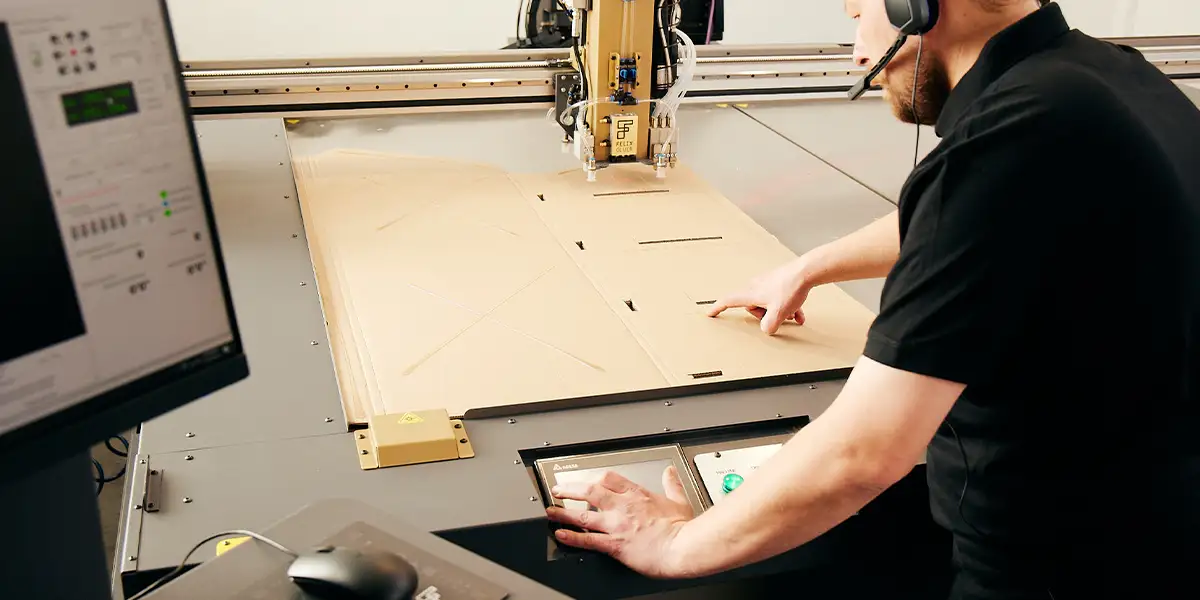
The quality of your hot melt glue equipment directly impacts the final result. A professional-grade glue gun offers adjustable temperature controls, which are essential for maintaining the ideal viscosity of your hot glue adhesive. If the gun isn’t hot enough, the glue won’t “wet” the surface properly, leading to bond failure. High-end hot melt glue equipment also features interchangeable nozzles for precise adhesive application methods, allowing you to reach tight corners or apply wide ribbons of glue for large-scale industrial projects or heavy-duty construction repairs.
Mahisa Packaging, Is Hot Melt Glue Permanent, Hot Glue Usage, Hot Melt Types, Adhesive Application Methods, Hot Melt Glue Equipment

Is Hot Melt Glue Permanent? Your Complete Guide to Bond Longevity

Is Hot Melt Glue Permanent? Your Complete Guide to Bond Longevity
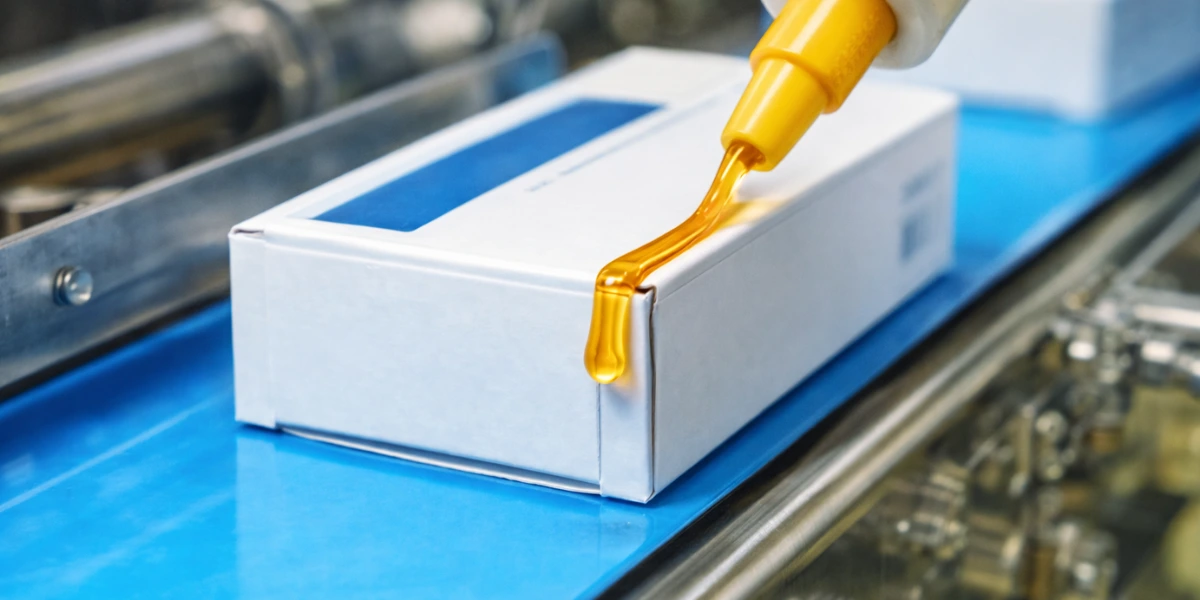
If you’ve ever used a glue gun for a DIY project, a home repair, or an industrial application, you’ve likely asked yourself: Is hot melt glue permanent?
The short answer is: It depends. Hot melt adhesive is considered a “semi-permanent” to “permanent” bond, depending on the materials being joined and the environment they are placed in. While it can last for decades under the right conditions, it lacks the chemical “forever” bond of epoxies or solvent-based glues.
In this guide, we will break down the science of hot melt, why it stays stuck, and exactly when you should (or shouldn’t) rely on it for a permanent fix.

What is Hot Melt Glue?

To understand its permanence, you first have to know how it works. Unlike white glue (PVA), which dries as water evaporates, hot melt glue is a thermoplastic.
It transitions from a solid to a liquid when heated and returns to a solid state as it cools. This “cooling” process happens in seconds, creating a mechanical bond. Because no chemical reaction occurs, the bond is technically reversible if heat is reapplied.

Is Hot Melt Glue Permanent?

Mahisa Packaging, Is Hot Melt Glue Permanent, Hot Glue Usage, Hot Melt Types, Adhesive Application Methods, Hot Melt Glue Equipment
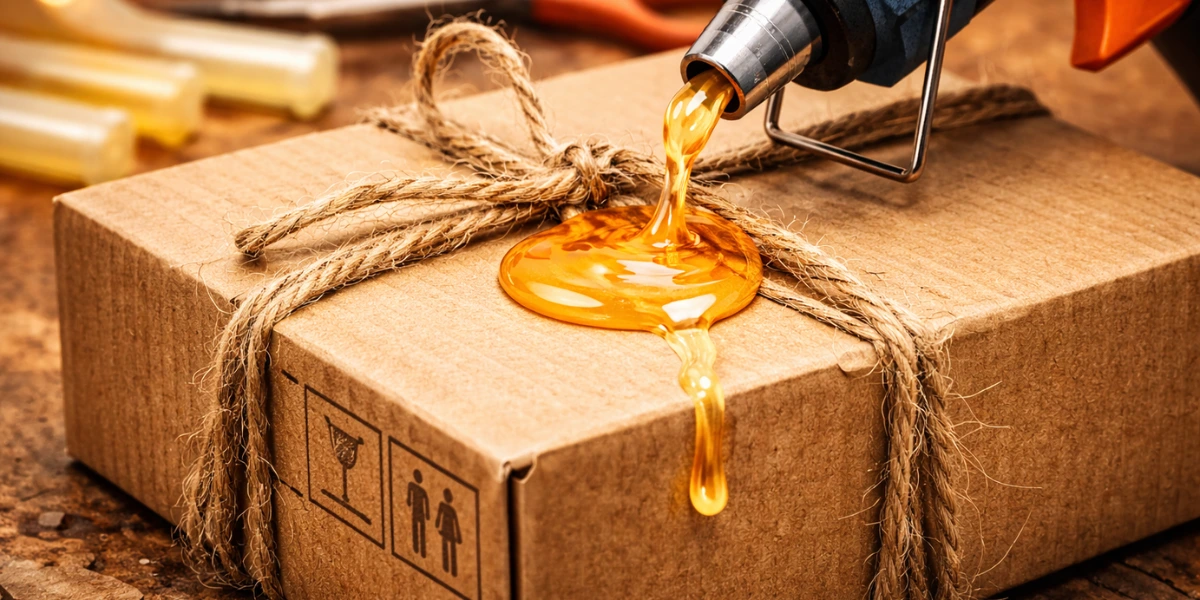
Hot melt glue is considered permanent for porous materials like paper, cardboard, and wood, where the adhesive can seep into the fibers. However, it is non-permanent on non-porous surfaces like glass or metal, as it can often be peeled off or weakened by extreme temperatures.

Factors That Determine the Permanence Of Hot Glue Adhesive

When selecting a hot glue adhesive, durability depends on several environmental and physical variables. To ensure a lasting bond, you must evaluate these factors that determine permanence:
1. Porosity:
Does the surface have “teeth” for the glue to grab?
2. Temperature:
Will the object be exposed to heat above 140°F?
3. Stress:
Is the bond under constant weight or tension?
4. Adhesive Type:
Are you using standard EVA or high-strength Polyamide?

Mastering Hot Glue Usage for Stronger Bonds

Understanding hot glue usage is the difference between a repair that lasts a day and one that lasts a lifetime. To maximize the life of your bond, you must match the temperature of the glue to the substrate.

High-Temperature Usage (380°F)

This is best for wood, ceramics, and thick plastics. The high heat keeps the glue liquid longer, allowing it to penetrate deeper into the material before solidifying. In professional hot glue usage, high-temp guns are preferred for structural repairs because they create a more aggressive mechanical interlock.

Low-Temperature Usage (250°F)

Ideal for delicate fabrics, foam, or paper. This prevents the glue from melting the material itself (like polystyrene foam) but results in a shallower, less “permanent” bond. When hot glue usage involves children or school projects, low-temp guns are the safer, albeit less permanent, choice.

When Hot Melt is Permanent: Mastering Adhesive Application Methods

In many scenarios, hot melt is effectively permanent. By utilizing the correct adhesive application methods, such as ensuring a continuous bead and applying pressure during the cooling phase, you create a bond that often outlasts the material itself. If you try to pull two pieces of glued cardboard apart, the cardboard fibers will usually tear before the glue bond fails. This is known as “substrate failure,” and it is the gold standard for a permanent bond.

1. Packaging and Paper Goods

In the world of shipping, hot melt is the king of permanence. Once a shipping box is sealed with industrial hot melt, the bond is permanent until the box is physically destroyed.

2. Woodworking and Furniture

While not a replacement for traditional wood glue in structural joints, hot melt is permanent for attaching trim, upholstery, or internal supports that aren’t under high structural stress.

3. Interior Crafts and DIY

For indoor decor, wreaths, fabric art, or plastic models, hot melt glue will easily last 20+ years without degrading, provided it stays out of the sun.

When Hot Melt is not Permanent

There are three “kryptonites” to hot melt glue that will turn a permanent bond into a temporary one.

1. High Heat Exposure

Since hot melt is a thermoplastic, it will soften if it gets hot again. If you glue a dashboard accessory in your car with hot melt, a summer day (where car interiors reach 160°F) will melt the bond, causing it to slide off.

2. Smooth, Non-Porous Surfaces

On surfaces like glass, smooth metal, or polished tiles, hot melt creates a “suction” bond rather than a mechanical one. Over time, or with a sharp tug, the glue will “pop” off the surface cleanly.

3. Extreme Cold

While heat melts the glue, extreme cold makes it brittle. If a hot-melt bond is frozen, it can shatter like glass if dropped or bumped.

Comparing Hot Melt Types: Which Lasts Longest?

Glue Type

Permanence Level

Best Use Case

EVA (Standard)

Medium

Crafts, paper, general DIY

Polyamide

High

Electronics, automotive, high-temp areas

olyolefin

High

Plastics that are hard to bond

PUR (Polyurethane)

Very High

Construction, heavy-duty repair

Not all glue sticks are created equal. If you need permanence, you need to choose the right polymer.

The Role of Hot Melt Glue Equipment in Bond Strength

The longevity of your bond is often dictated by your Hot Melt Glue Equipment. While a standard craft gun is suitable for light DIY, industrial-grade glue guns provide the temperature precision necessary for a true permanent set. High-output equipment ensures the adhesive remains at the optimal molten state during the adhesive application methods, preventing “cold joints” where the glue cools too quickly to penetrate the surface. Furthermore, specialized nozzles on professional equipment allow for varied bead patterns, such as dots, sprays, or ribbons, which maximize surface area contact, a critical factor that determines permanence in heavy-duty applications.

The Power of PUR (Polyurethane) Hot Melt

If you need a truly permanent hot melt, PUR is the answer. Unlike standard glue, PUR undergoes a chemical reaction with moisture in the air after it is applied. Once it cures (usually over 24 hours), it becomes a thermoset plastic. This means it will not remelt, even if exposed to high heat.

How to Make Hot Melt Glue "More Permanent"

If you want to ensure your bond lasts as long as possible, follow these professional tips:
1. Clean the Surface:
Dust and oil are the enemies of permanence. Wipe surfaces with isopropyl alcohol first.
2. Rough it Up:
Use sandpaper to scuff smooth surfaces (like plastic or metal). This gives the glue “valleys” to flow into.
3. Heat the Substrate:
If you are gluing metal, use a hair dryer to warm the metal first. If hot glue hits cold metal, it “shocks” and cools too fast to bond deeply.
4. Use the Right Temperature:
“High Temp” glue guns (380°F) offer a deeper, more permanent bond than “Low Temp” (250°F) guns used for delicate fabrics.

The Verdict: Is it Permanent?

Hot melt glue is permanent if you use the right glue on the right material.
1. For cardboard, wood, and fabric, it is a lifelong bond.
2. For heavy-duty or outdoor use, standard hot melt is not permanent; you should opt for PUR hot melt or an epoxy instead.
By understanding the limits of your hot melt glue, you can ensure your projects stay together for the long haul.

FAQ's

How long does hot melt glue take to dry?

Unlike water-based glues that take hours, hot melt adhesive sets in seconds. It achieves about 90% of its bond strength as soon as it reaches room temperature, usually within 30 to 60 seconds. However, for maximum permanence, it is best to let it "cure" undisturbed for several minutes.

Does hot melt glue degrade or rot over time?

In standard indoor conditions, hot melt glue is incredibly stable. It does not "dry out," shrink, or crack like some liquid glues. If kept away from direct UV sunlight and extreme heat, a hot-melt bond can easily last 20 to 30 years without losing its grip.

Is hot melt glue waterproof for outdoor use?

While the glue itself is a plastic and technically waterproof, standard hot glue usage is not recommended for permanent outdoor items. Moisture and temperature fluctuations can cause the bond to "pop" off the surface. For outdoor permanence, a PUR (Polyurethane) hot melt is required.

Can I use hot glue to repair a dishwasher or oven?

No. Standard hot melt glue will soften at approximately 140°F (60°C) and will become liquid again near 350°F. For high-heat appliances, the temperature is a major factor that determines permanence, and hot glue will fail almost immediately.

How do you remove hot melt glue if it's "permanent"?

The secret to breaking a hot melt bond is Isopropyl Alcohol (Rubbing Alcohol). Dabbing a small amount around the edges of the glue breaks the surface tension, allowing the adhesive to peel off cleanly without damaging the material.