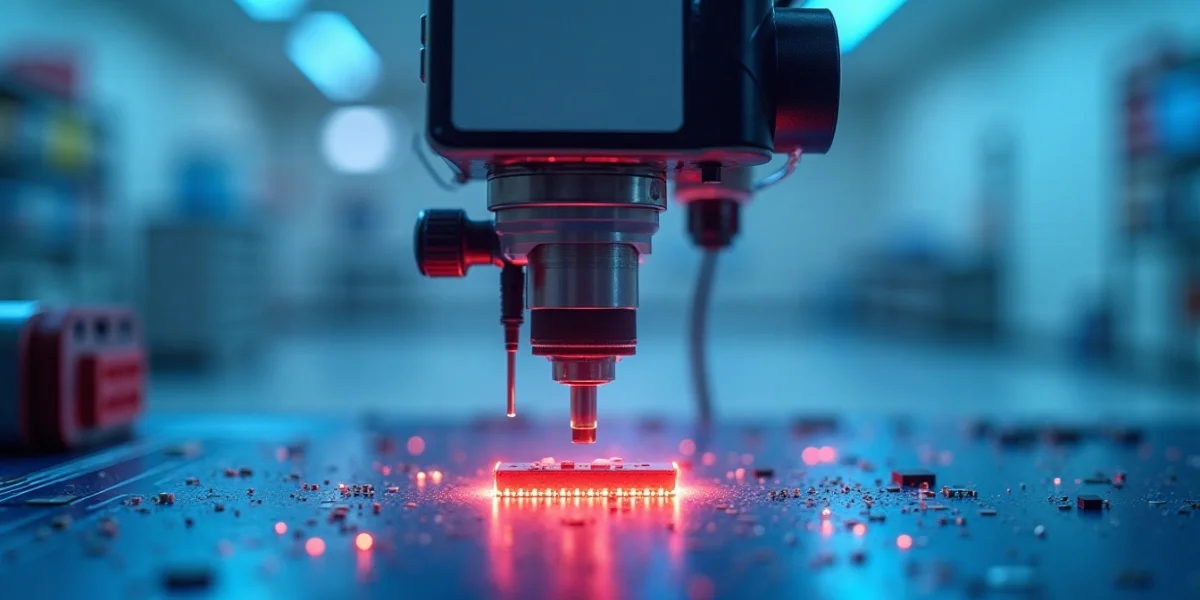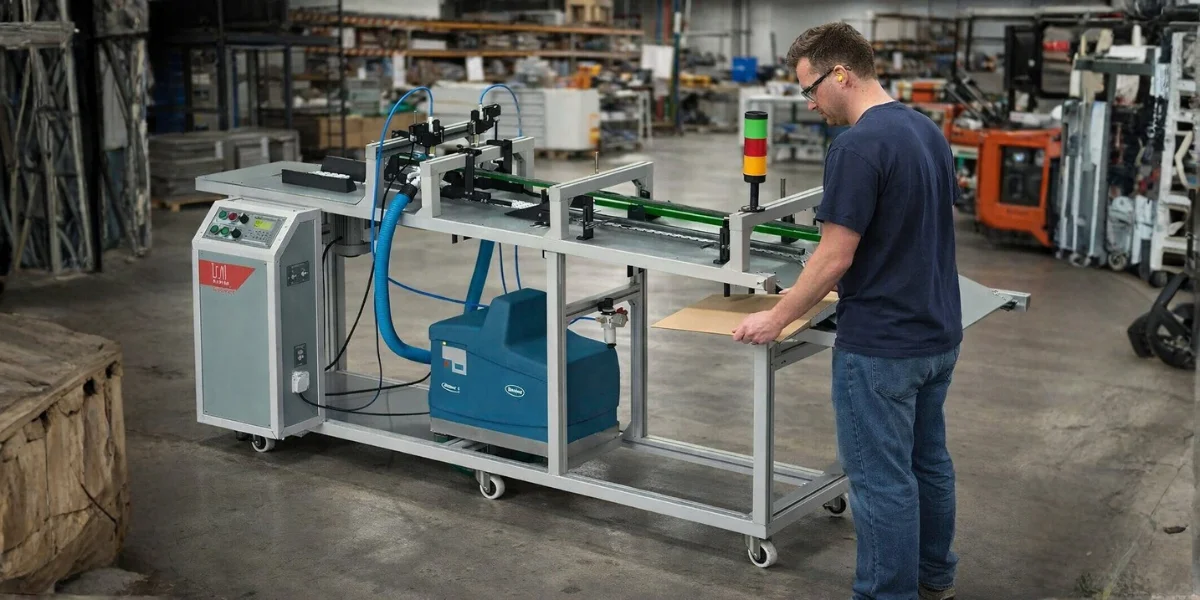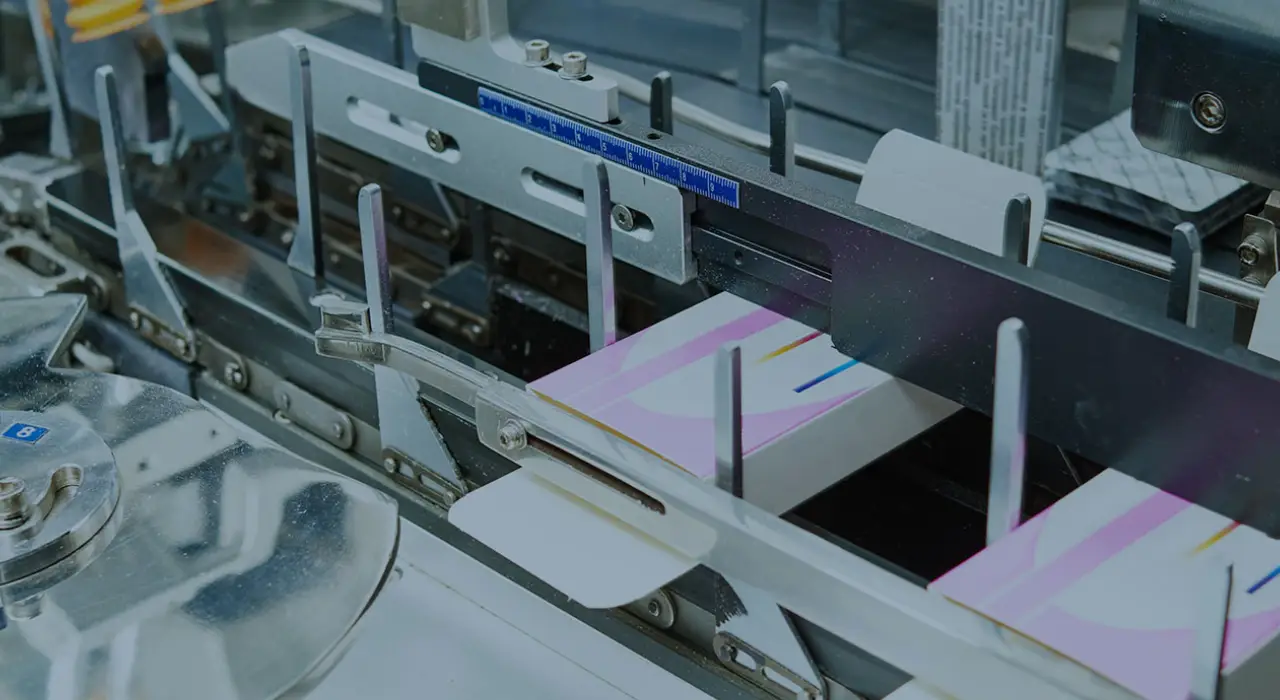
In the fast-paced world of packaging, precision and efficiency are crucial. Gluing machines play a vital role in automating the gluing process, ensuring strong, reliable bonds for various packaging materials. Whether used for cartons, corrugated boxes, or specialty packaging, these machines enhance production speed and quality.
Leading packaging machine manufacturers in India offer advanced gluing solutions tailored to different industry needs. These machines integrate precise glue application techniques, using glue dispensers that control adhesive flow to reduce waste and improve adhesion. From hot melt to cold glue systems, manufacturers provide options that suit diverse packaging requirements.
Investing in a high-quality gluing machine not only optimizes workflow but also ensures product integrity. As industries continue to demand sustainable and high-performance solutions, modern gluing technology is evolving to meet efficiency and environmental standards. Whether for small-scale operations or large manufacturing units, the right gluing machine can make all the difference.
Benefits of Gluing Machines in Packaging and Manufacturing
Gluing machines are essential for industries that require precise and efficient adhesive application. These machines streamline the gluing process, improving productivity, consistency, and cost-effectiveness. Below are the key benefits of using gluing machines in packaging and other industries:
1. Enhanced Efficiency and Speed
Manual gluing can be slow and inconsistent, leading to delays in production. A gluing machine automates the process, significantly increasing output while maintaining precision. This is especially beneficial for high- volume packaging industries where speed is crucial. With advancements in packaging automation, businesses can integrate a glue application machine into their production lines to ensure seamless, high- speed operations while reducing manual labor and errors.
2. Consistent and Precise Glue Application
One of the biggest challenges in manual gluing is maintaining uniform adhesive distribution. Gluing machines with advanced glue dispensers ensure accurate and controlled glue application, reducing excess glue usage and ensuring a clean finish. This results in better-quality packaging with stronger bonding. Modern packaging machinery is designed to enhance precision and efficiency, making gluing machines an essential component in automated packaging lines
3. Cost Savings on Adhesive and Labor
An automatic glue dispensing machine optimizes adhesive usage, minimizing waste and lowering material costs. By automating the gluing process, businesses can significantly reduce excess glue consumption while ensuring precise application. Additionally, using a gluing machine reduces the need for manual labor, cutting down operational expenses and increasing overall profitability. This makes automated gluing solutions a cost- effective investment for packaging and manufacturing industries.
4. Improved Product Quality and Durability
A strong adhesive bond is essential for ensuring that packaging holds together throughout storage and transportation. Packaging machine manufacturers in India design gluing machines that enhance durability by applying the right amount of glue in precise locations, preventing product damage and enhancing presentation.
5. Versatility for Different Applications
Modern gluing machines support various adhesives, including hot melt glue, cold glue, and water-based adhesives, making them suitable for different materials like cardboard, paper, plastic, and even wood. Industries such as food packaging, bookbinding, furniture, and automotive components all benefit from these adaptable machines.
6. Reduced Waste and Eco-Friendly Operations
By applying just the right amount of glue, these machines help reduce adhesive waste. Some models are designed for biodegradable or eco-friendly adhesives, making them a sustainable choice for manufacturers focused on environmental responsibility.
7. Increased Safety and Clean Working Environment
Manual glue application can be messy and expose workers to harmful fumes and chemicals. Gluing machines minimize direct contact with adhesives, ensuring a safer and cleaner work environment. Many advanced machines come with enclosed systems that further protect operators from hazardous substances.
Manual Gluing Machines vs. Automated Gluing Machines
In the packaging industry, the choice between manual gluing machines and automated gluing machines depends on factors like production scale, efficiency, and precision. While manual methods offer flexibility and control, automated solutions streamline the glue application process, improving speed and consistency. Modern packaging machinery is designed to enhance productivity, reduce waste, and ensure strong adhesive bonds. Understanding the differences between these two types of gluing systems helps businesses choose the right solution for their needs.
Here’s a detailed comparison:
Parameter | Manual Gluing Machine | Automated Gluing Machine |
Operational Environment | Small-scale workshops, artisan studios, low-volume units | Large-scale factories, automated production lines |
Production Capacity | Limited output, labor-intensive, batch- based processing | High-speed output, continuous and large-scale production |
Adhesive Compatibility | Works with basic adhesives like PVA, water-based, and simple hot melts | Supports a wide range, including hot-melt, PUR, solvent-based, and reactive adhesives |
Industry Suitability | Handcrafted packaging, bookbinding, furniture restoration, specialty design | Mass production in FMCG, automotive, electronics, e-commerce, and industrial packaging |
Application Scope | Customized, artistic, and small-batch products | Standardized, high-volume packaging, corrugated boxes, and food-grade packaging |
Automated gluing machines are ideal for high-speed packaging automation, while manual machines work best for small-batch and specialized applications.
Different Types of Adhesives Used in Gluing Machines
Gluing machines support a variety of adhesives depending on the industry, materials, and application requirements. Here’s a detailed breakdown of the most commonly used adhesives:
1. Hot Melt Adhesives
• Description:
Thermoplastic adhesives that melt when heated and solidify upon cooling.
• Application:
Provides fast bonding and high strength, making it ideal for high-speed production.
• Industries Used In:
Packaging, bookbinding, woodworking, and automotive.
• Advantages:
Quick setting, strong adhesion, minimal drying time.
2. Water-Based Adhesives (PVA & Latex Adhesives)
• Description:
Adhesives that use water as a solvent, which evaporates to form a bond.
• Application:
Used for porous materials like paper, cardboard, and textiles.
• Industries Used In:
Printing, carton sealing, furniture, and paper-based packaging.
• Advantages:
Eco-friendly, cost-effective, and suitable for lightweight packaging.
3. Polyurethane (PUR) Adhesives
• Description:
Reactive adhesives that form strong, flexible bonds by reacting with moisture in the air.
• Application:
Provides long-lasting durability and resistance to temperature changes.
• Industries Used In:
Automotive, electronics, woodworking, and footwear manufacturing.
• Advantages:
High strength, excellent flexibility, and resistance to heat, chemicals, and moisture.
4. Solvent-Based Adhesives
• Description:
Adhesives that contain solvents that evaporate, leaving behind a strong bond.
• Application:
Used for materials that require high durability and resistance.
• Industries Used In:
Aerospace, automotive, leather goods, and laminates.
• Advantages:
Strong adhesion, suitable for non-porous materials, and excellent durability.
5. UV-Curable Adhesives
• Description:
Adhesives that cure instantly when exposed to UV light.
• Application:
Used in applications that require quick setting and high precision.
• Industries Used In:
Medical devices, electronics, glass bonding, and precision assembly.
• Advantages:
Instant curing, high transparency, and strong adhesion.
6. Epoxy Adhesives
• Description:
Two-component adhesives that cure through a chemical reaction between resin and hardener.
• Application:
Used for applications requiring superior strength and resistance.
• Industries Used In:
Construction, marine, electronics, and industrial bonding.
• Advantages:
Extremely strong, resistant to chemicals and temperature fluctuations.
Each adhesive type serves a specific purpose in glue application and packaging machinery, ensuring efficiency and durability in various industries.
Conclusion: Choosing the Right Gluing Machine for Your Needs
Investing in the right gluing machine is essential for businesses looking to enhance efficiency, precision, and productivity in adhesive applications. Whether opting for manual gluing for small-scale, customized projects or automated glue application for high-speed production, the choice depends on your industry requirements and production goals.
With advancements in packaging machinery, manufacturers can now achieve faster, cleaner, and more sustainable adhesive solutions. As the packaging industry continues to evolve, integrating the right gluing technology can significantly improve product quality, reduce waste, and streamline operations.
By understanding the different adhesives, machine types, and industry applications, businesses can make informed decisions to optimize their gluing process and stay ahead in a competitive market.
FAQ
Consider factors such as the volume of production, types of materials to be glued, and desired output speed when selecting a gluing machine.
Yes, many gluing machines are designed to be compatible with various types of adhesives such as hot melt, cold glue, and pressure-sensitive adhesives.
Regular cleaning, lubrication of moving parts, and inspection of components are essential for maintaining the optimal performance of a gluing machine.
Refer to the user manual for troubleshooting tips or contact the manufacturer’s customer support for assistance in diagnosing and resolving any problems.
While some basic operation instructions may be included with the machine, formal training or guidance from experienced operators can help improve efficiency and prevent errors.
Some manufacturers offer customization options such as additional features, specialized nozzles, or adjustable settings to tailor the gluing machine to your unique needs.
Always wear appropriate personal protective equipment (PPE) such as gloves and safety glasses when operating a gluing machine to prevent accidents or injuries.
The lifespan of a gluing machine can vary depending on usage frequency, maintenance practices, and quality of components but with proper care, many machines can last several years before requiring replacement or major repairs.